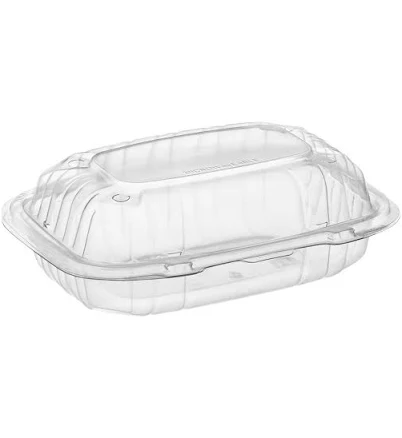
ProPlanet · Disposable Food Containers
ProPlanet Microwaveable Hinged Containers
Skip until grease-resistant coating composition is fully disclosed.
Microwaveable polypropylene hinged containers with grease-resistant treatment. Lakeland doesn't disclose coating chemistry, and water and grease repellency often point to PFAS risk in food packaging.
The better-graded swap
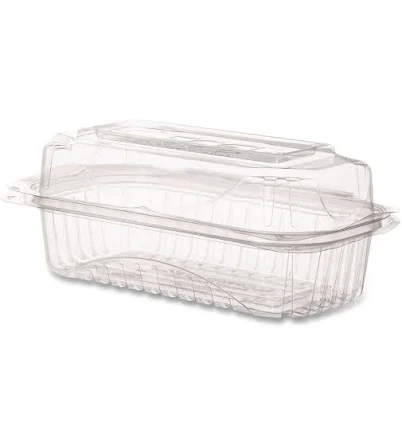
Eco-Products
Eco-Products Compostable Clear Clamshell Hinged Food
100/100 safety
Same rubric that flunked this product. The swap earned Excellent.
Still want this one anyway? Check the price on Amazon. We’d swap it.
Material
Polypropylene with grease-resistant coating
Brand disclosure
Brand is silent on PFAS
Lab data
No public lab test
You may also be interested in
Top-graded picks in the categories readers replace first, every one scored on the same rubric.

- polypropylene filter housing, carbon/sediment cartridge
- We found no PFAS statement from the brand
- Bacterial growth in spent cartridges
3 hazards checked on this product, all on its full breakdown.

Aquasure
Premier Series 75 GPD Under Sink Reverse Osmosis Water Filtration System
- RO membrane, carbon filters, stainless steel housing
- We found no PFAS statement from the brand
- Bacterial and microbial growth in housing and filters
4 hazards checked on this product, all on its full breakdown.

Avocado
Vegan Mattress
- organic cotton, natural latex, coconut coir, recycled steel coils
- The brand calls it PFAS-free, which we have not verified
- Heavy metals
2 hazards checked on this product, all on its full breakdown.
What ProPlanet Microwaveable Hinged Containers is made of, ingredients and materials
ProPlanet hinged containers are polypropylene (PP), a thermoplastic that is microwave-safe at moderate temperatures (typically up to 120°C / 250°F). The critical unknown here is the grease-resistant coating applied to the interior. Polypropylene alone does not repel grease; coatings that do often contain fluorinated compounds (PFAS family). The manufacturer has not publicly disclosed the coating's chemical identity, which is the primary safety red flag for this specific product.
What’s concerning
Category baseline
The starting point for this type of product, before anything specific to this product is counted.
No PFAS disclosure
No public statement from the brand about PFAS in this product.
Waterproof / stain-resistant treatment
Water-repellent coating treatments have historically used PFAS.
Fluorinated grease-resistant coating (undisclosed chemistry)
The presence of a grease-resistant coating suggests fluorine-based additives (PFAS or similar), but Lakeland has not disclosed the specific chemistry. Potential migration into fatty foods under heat or long-term storage cannot be ruled out without testing data.
Coating degradation and microplastic shedding
Repeated heating, cooling, and abrasion (especially in dishwashers) can cause coatings to flake or degrade. Hand washing and lower-temperature use reduce this risk, but no independent durability data is published for this specific product.
Unlabeled or unclear temperature limits
Lakeland's published temperature guidance for this specific product should be reviewed; if vague or contradictory, assume conservative limits (under 100°C) to avoid coating stress. Manufacturer guidance on grease-resistant durability under different use scenarios is not clearly available in public sources.
What’s reassuring
Polypropylene leaching under heat
Polypropylene is generally resistant to leaching of its base polymer or plasticizers (unlike polycarbonate or old plastics). Microwave use within stated temperature limits poses minimal documented risk to the polymer itself.
BPA & bisphenols
Modern polypropylene food containers do not use BPA or BPS as intentional additives. The resin itself is considered BPA-free by regulatory standards, though supplier verification would require direct manufacturer certification.
Source, FDA ↗How is this PFAS grade calculated?
The brand's record and disclosure
Lakeland is a UK homeware retailer known for kitchen gadgets and food storage products. Public disclosures regarding PFAS use in their food-contact packaging lines are absent or minimal. No major recalls specific to ProPlanet containers have been established in public records. The silent stance on coating composition is notable given increasing retailer transparency on PFAS in recent years, and suggests either lack of testing or reluctance to disclose findings.
How it compares in its category
Hinged takeout-style containers in polypropylene are common with lower concern than alternatives in melamine or older polycarbonate formulations. Most mainstream suppliers (Rubbermaid, Sistema) either disclose non-fluorinated grease barriers or avoid the claim entirely. Lakeland's emphasis on grease resistance without transparent chemistry places this product in a middle ground, likely functional but shadowed by opacity rather than proven harm.
If you buy it
Keep usage temperatures below 100°C (212°F) to minimize any risk of coating degradation or leaching. Do not use for prolonged storage of fatty or oily foods at room temperature longer than necessary, as contact time increases potential leachate transfer. Inspect containers regularly for cloudiness, cracking, or discoloration; replace if visible wear appears. Hand wash rather than dishwash to extend coating integrity and reduce thermal stress.
What is not known about PFAS in this product?
- Basis
- Model estimate, 45% confidence, not a lab result
- Lab test
- None on record for this exact product
- Brand statement
- ProPlanet has made none
Formulations change between production runs, so check the current label. How we grade.
What are the PFAS-free alternatives to ProPlanet Microwaveable Hinged Containers?
Eco-Products
Compostable Clear Clamshell Hinged Food
- Compostable resin (PLA/PBAT blend, plant-based)
- A third party reports verifying it as PFAS-free
- Thermal degradation and chemical release at use temperatures
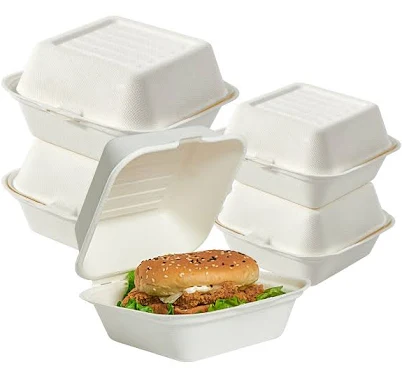
- Sugarcane bagasse (compostable fiber)
- We found no PFAS statement from the brand
- Bleaching agents and residual processing chemicals
3 hazards checked on this product, all on its full breakdown.
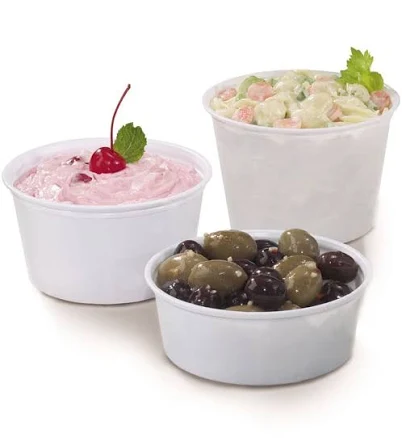
- polypropylene (PP) container, uncoated
- We found no PFAS statement from the brand
- Microplastics
2 hazards checked on this product, all on its full breakdown.
More disposable food containers grades
How we score, every product runs through the same public 0-100 rubric based on materials, coatings, brand disclosure, lab findings, and recalls. See the full methodology → Spotted a mistake? Report an error.