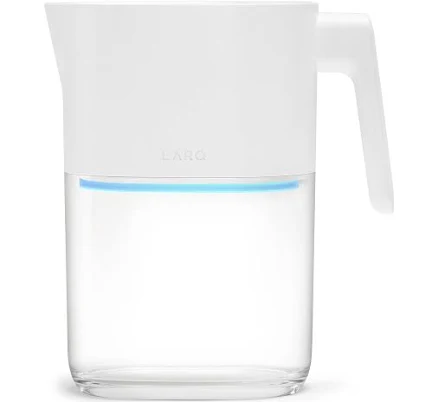
LARQ UV Purifying Pitcher
Lower concern for PFAS; lack of transparency on filter composition is notable.
LARQ's UV pitcher uses a plastic body and replaceable carbon filter system. The brand does not disclose PFAS information or third-party testing results.
We flunk more products than we pass. This one earned its grade. How we grade
Material
BPA-free plastic pitcher body, activated carbon filter cartridge
Lab data
No public lab test
You may also be interested in
Top-graded picks in the categories readers replace first, every one scored on the same rubric.

- polypropylene filter housing, carbon/sediment cartridge
- We found no PFAS statement from the brand
- Bacterial growth in spent cartridges
3 hazards checked on this product, all on its full breakdown.

Aquasure
Premier Series 75 GPD Under Sink Reverse Osmosis Water Filtration System
- RO membrane, carbon filters, stainless steel housing
- We found no PFAS statement from the brand
- Bacterial and microbial growth in housing and filters
4 hazards checked on this product, all on its full breakdown.

Avocado
Vegan Mattress
- organic cotton, natural latex, coconut coir, recycled steel coils
- The brand calls it PFAS-free, which we have not verified
- Heavy metals
2 hazards checked on this product, all on its full breakdown.
What LARQ UV Purifying Pitcher is made of, ingredients and materials
The LARQ pitcher body is manufactured from BPA-free plastic, which eliminates one major endocrine disruptor concern common to older water pitchers. The core filtration relies on an activated carbon cartridge, a widely used and well-established method for removing chlorine taste, odor, and some organic contaminants. Activated carbon does not leach harmful substances into water under normal use, though its effectiveness degrades over time and depends on filter replacement frequency. The pitcher's UV light chamber (the brand's signature feature) uses ultraviolet radiation to inactivate microorganisms and does not introduce chemical residues into the filtered water.
What’s concerning
No PFAS disclosure
No public statement from the brand about PFAS in this product.
Bacterial growth in unmaintained filter
If filter cartridge is not replaced on schedule or pitcher is left with stagnant water, activated carbon can become a medium for microbial biofilm despite UV treatment. The UV light only treats water passing through it; it does not prevent bacteria from colonizing the carbon bed itself over time.
Filter cartridge composition transparency
LARQ has not publicly disclosed the full chemical makeup of its activated carbon cartridge media or revealed whether any binders, resins, or additives are present. This limits independent assessment of whether cartridge housing materials could leach substances into water.
Activated carbon filter performance decline
Activated carbon is a finite absorbent; after saturation it ceases to remove chlorine, taste, and odor effectively. LARQ recommends 2-3 month replacement intervals, but effectiveness depends heavily on incoming water quality and usage volume; over-extended cartridge life may leave contaminants unfiltered.
What’s reassuring
Base material not linked to PFAS
The main material recorded for this product is not one associated with PFAS.
Plastic housing leachables
The pitcher body is certified BPA-free and no leaching of other plastic-bound chemicals (phthalates, antimony) has been reported or is documented for this model. Long-term exposure to heat or acidic beverages could theoretically increase leaching risk, but LARQ pitchers are designed for cold or room-temperature water storage.
UV lamp contact or seal failure
No reports of UV chamber failure or water leakage into electrical components exist for standard use. However, the sealed design means that damage could potentially expose the internal lamp housing; the pitcher should not be immersed or treated as fully waterproof.
How is this PFAS grade calculated?
The brand's record and disclosure
LARQ markets the pitcher as a sustainable alternative to bottled water and emphasizes the BPA-free plastic construction in product communications. The company has not publicly released detailed third-party testing results for filter composition or heavy metal leaching, nor has it made explicit statements about PFAS in filter media, which is a transparency gap common across the water filter industry. No major product recalls or safety controversies are on record for this specific model. The brand's silence on filter composition details makes full chemical assessment difficult, though activated carbon filters themselves carry no established safety red flags when properly maintained.
How it compares in its category
LARQ pitchers occupy a middle-to-premium price tier and position themselves above basic pour-over pitchers (like Brita or PUR) by adding UV sanitization, which addresses microbial contamination without added chemicals. Most competing pitchers use similar activated carbon technology and BPA-free plastic; the UV step is less common and appeals to users concerned about bacterial regrowth in standing water. Unlike pitcher-and-faucet-mount systems, LARQ avoids installation complexity and the plastic tubing degradation risk those systems can face. Filter replacement costs are comparable to mainstream brands, though LARQ cartridges are proprietary and cannot be substituted.
If you buy it
Replace the filter cartridge every 2 to 3 months or when flow rate noticeably slows, whichever comes first; exhausted activated carbon loses effectiveness and may harbor bacterial biofilm. Do not leave filled pitcher in direct sunlight for extended periods, as plastic degradation risk increases with UV exposure and heat. Empty and dry the pitcher if stored unused for more than a week to prevent bacterial colonization in residual water. The UV light chamber requires gentle handling; avoid dropping or strong impacts that could compromise the sealed housing and potentially allow water contact with electrical components.
What is not known about PFAS in this product?
- Basis
- Model estimate, 68% confidence, not a lab result
- Lab test
- None on record for this exact product
- Brand statement
- LARQ has made a specific claim
Formulations change between production runs, so check the current label. How we grade.
What are the PFAS-free alternatives to LARQ UV Purifying Pitcher?
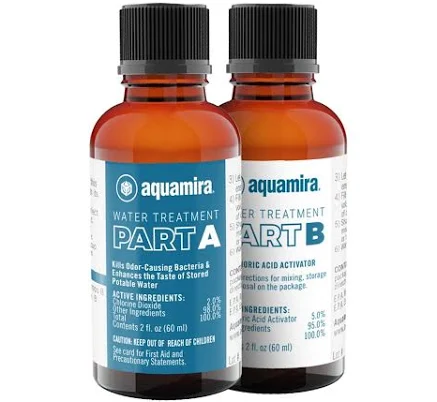
- glass bottles, sodium dichloroisocyanurate treatment chemical
- We found no PFAS statement from the brand
- Chemical overdose or misuse
5 hazards checked on this product, all on its full breakdown.

- Stainless steel housing and spigot
- We found no PFAS statement from the brand
- Bacterial growth and biofilm if filters not replaced
5 hazards checked on this product, all on its full breakdown.
- Borosilicate glass pitcher, replaceable activated-carbon filter cartridge
- Bacterial growth in filter cartridge if unmaintained
5 hazards checked on this product, all on its full breakdown.
More water filters grades
How we score, every product runs through the same public 0-100 rubric based on materials, coatings, brand disclosure, lab findings, and recalls. See the full methodology → Spotted a mistake? Report an error.