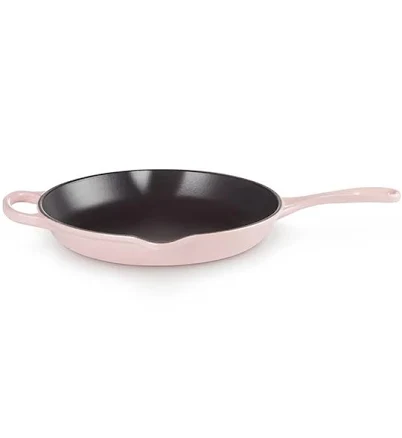
Le Creuset · Cast Iron Skillets
Le Creuset Signature Saucepan, Is It Non-Toxic?
Low risk, enameled cast iron design avoids PFAS-prone nonstick coatings.
Le Creuset Signature Saucepans use enameled cast iron rather than synthetic nonstick, avoiding the PFAS risk of Teflon-family coating cookware. The brand does not disclose coating chemistry or test results.
The better-graded swap
Smithey
Smithey No. 10 Cast Iron Skillet
75/100 safety
Same rubric that flunked this product. The swap earned Excellent.
Still want this one anyway? Check the price on Amazon. We’d swap it.
Material
Enameled cast iron (outer enamel coating, cast iron core)
Lab data
No public lab test
You may also be interested in
Top-graded picks in the categories readers replace first, every one scored on the same rubric.

- polypropylene filter housing, carbon/sediment cartridge
- We found no PFAS statement from the brand
- Bacterial growth in spent cartridges
3 hazards checked on this product, all on its full breakdown.

Aquasure
Premier Series 75 GPD Under Sink Reverse Osmosis Water Filtration System
- RO membrane, carbon filters, stainless steel housing
- We found no PFAS statement from the brand
- Bacterial and microbial growth in housing and filters
4 hazards checked on this product, all on its full breakdown.

Avocado
Vegan Mattress
- organic cotton, natural latex, coconut coir, recycled steel coils
- The brand calls it PFAS-free, which we have not verified
- Heavy metals
2 hazards checked on this product, all on its full breakdown.
Is Le Creuset Signature Saucepan non-toxic? What it is made of
Le Creuset Signature saucepans are cast iron cores with a vitreous enamel (glass-like) surface coating, typically applied in multiple layers. The enamel itself is a silicate-based glaze fired at high temperature, which chemically bonds to the iron and avoids synthetic nonstick polymers altogether. This design sidesteps PFAS exposure but introduces different hazards tied to enamel integrity and the composition of the glaze itself.
What’s concerning
No PFAS disclosure
No public statement from the brand about PFAS in this product.
Category baseline
The starting point for this type of product, before anything specific to this product is counted.
Lead
Enamel coatings on imported cast iron cookware have historically contained lead and cadmium at low levels; Le Creuset does not publish third-party glaze test results. Risk is lowest if enamel remains intact, but chipping exposes underlying iron and residual glaze particles.
Source, ATSDR ↗Enamel chipping and coating degradation
Consumer reports document enamel chipping on Le Creuset saucepans, especially on rims and handles from impact or thermal shock. Once breached, the enamel cannot self-repair; small chips may shed ceramic particles into food.
Iron leaching from exposed cast iron
Where enamel is absent or damaged, acidic or prolonged-cooking foods will leach iron. While dietary iron is essential, excess intake from cookware can be problematic for certain individuals (hemochromatosis, certain anemias).
Thermal stress and delamination
Rapid temperature swings (dishwasher or cold water on hot pan) can cause enamel to crack or separate from the cast iron base. This is material fatigue rather than chemical toxicity but compromises the protective barrier.
What’s reassuring
Base material not linked to PFAS
The main material recorded for this product is not one associated with PFAS.
Manufacturing residues or contaminants in glaze
No specific recalls or documented contamination events are on record for Le Creuset enameled cookware in the US. General enameled cookware category carries no established microplastic or off-gassing concerns given the fired silicate matrix.
How is this PFAS grade calculated?
The brand's record and disclosure
Le Creuset does not publicly disclose detailed glaze composition or lead/cadmium testing results on product pages or technical sheets. The company has not faced major recall actions or public contamination scandals specific to their enameled cookware in the US market. However, their silence on heavy metals in enamels reflects an industry-wide lack of transparency rather than a distinguishing safety commitment.
How it compares in its category
Among enameled cast iron options, Le Creuset is premium-priced and generally regarded as durable, with thick enamel less prone to early chipping than budget competitors. Compared to bare cast iron, the enamel reduces iron leaching into acidic foods. Compared to ceramic nonstick or Teflon-type coating cookware, enameled cast iron presents lower concern for PFAS and fume risks but depends entirely on enamel coating integrity for lead/cadmium containment.
If you buy it
Inspect the enamel surface for chips, cracks, or crazing before first use and after dishwashing or thermal shock. Avoid prolonged contact of acidic foods (tomatoes, citrus, vinegar) with bare cast iron if enamel chips; use wooden or silicone utensils to prevent further damage. Hand wash and dry immediately to prevent rust at stress points. Replace if enamel loss is extensive or if you cannot verify the glaze composition from the manufacturer.
What is not known about PFAS in this product?
- Basis
- Model estimate, 82% confidence, not a lab result
- Lab test
- None on record for this exact product
- Brand statement
- Le Creuset has made a specific claim
Formulations change between production runs, so check the current label. How we grade.
What are the PFAS-free alternatives to Le Creuset Signature Saucepan?
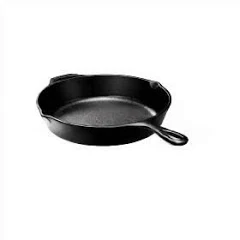
- cast iron (bare or seasoned with oil)
- Iron leaching into food
3 hazards checked on this product, all on its full breakdown.
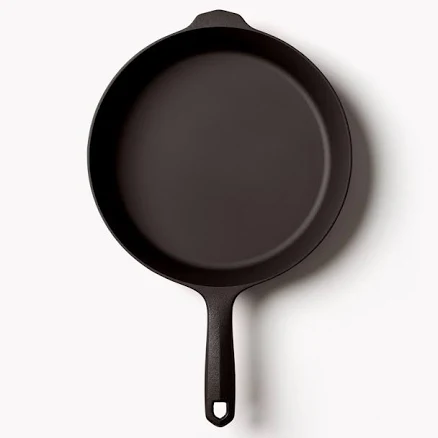
- cast iron, bare/seasoned surface
- We found no PFAS statement from the brand
- Iron leaching into acidic foods
2 hazards checked on this product, all on its full breakdown.
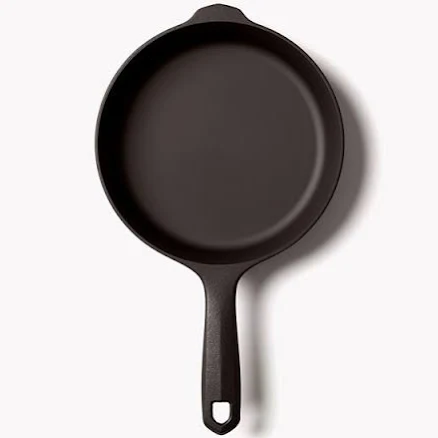
- cast iron, seasoned surface
- We found no PFAS statement from the brand
- Rust and iron transfer to food
2 hazards checked on this product, all on its full breakdown.
More cast iron skillets grades
How we score, every product runs through the same public 0-100 rubric based on materials, coatings, brand disclosure, lab findings, and recalls. See the full methodology → Spotted a mistake? Report an error.