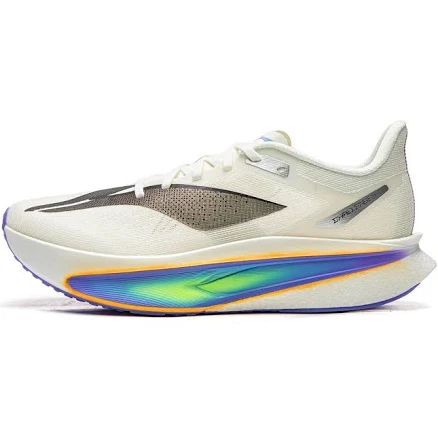
Li-Ning · Running & Athletic Shoes
Li-Ning Feidian Challenger 6 Men Shoe Ir
No coating described, and no PFAS statement from the brand.
The product information we reviewed describes mesh textile upper, rubber sole, with no water-repellent coating named. Water resistance on products like this usually comes from the material and its seals rather than a surface treatment. The brand has published no PFAS statement for it.
Still want this one anyway? Check the price on Amazon. We’d swap it.
Material
Mesh textile upper, rubber sole
Brand disclosure
Brand is silent on PFAS
Lab data
No public lab test
What Li-Ning Feidian Challenger 6 Men Shoe Ir is made of, ingredients and materials
The Feidian Challenger 6 upper is mesh textile (synthetic polymer fibers woven into an open structure) paired with a rubber outsole. Mesh uppers minimize chemical coating layers and rely on the fiber material itself for structure, which reduces exposure pathways compared to treated leather or sealed synthetic leathers. Rubber soles are inert when cured and do not leach significantly during normal wear, though adhesives binding the sole to the upper are not detailed in available product specs.
What’s concerning
Category baseline
The starting point for this type of product, before anything specific to this product is counted.
No PFAS disclosure
No public statement from the brand about PFAS in this product.
Formaldehyde / VOCs
Mesh textiles may be treated with formaldehyde-based resins for water resistance or shape retention during manufacturing. No finish specification is disclosed for this model; risk is typical for polyester or nylon mesh shoes unless explicitly stated otherwise.
Source, ATSDR ↗Azo dyes (textile coloring)
Synthetic mesh uppers are commonly dyed with azo dyes, some of which can release aromatic amines under acidic or heat stress. Li-Ning provides no dye standard or restriction statement, so compliance with restricted azo dye limits cannot be confirmed.
Adhesive volatiles (sole-to-upper bond)
The rubber sole is glued to the mesh upper using synthetic adhesives that may emit volatile organic compounds (VOCs) during the first days to weeks after manufacturing. Ventilation during break-in minimizes inhalation exposure.
What’s reassuring
Base material not linked to PFAS
The main material recorded for this product is not one associated with PFAS.
Heavy metals
No documented cases of heavy metal contamination (lead, cadmium, antimony) have been reported in Li-Ning footwear. Mesh and rubber are not typical vectors for metal accumulation, and no recalls or testing failures are on record.
Source, FDA ↗Flame retardants
Running shoes are not subject to flame retardant regulations and do not require chemical flame-proofing. Mesh textiles and rubber soles in athletic footwear do not typically receive these treatments.
Source, EPA ↗The full breakdown
The brand's record and disclosure
Li-Ning does not publicly disclose chemical testing, banned substance certifications, or PFAS policies on this model. The brand has not issued documented recalls for chemical hazards in footwear. No independent certifications (OEKO-TEX, bluesign) are listed for this shoe, meaning third-party verification of restricted substances is absent. Without transparency, baseline safety assumptions rest on textile and rubber material standards in the footwear industry, not brand commitment.
How it compares in its category
Running shoes in this price-performance tier typically use similar mesh and rubber construction. The Feidian Challenger 6 does not stand apart in material choice, which is typical for the category and suggests no unusual chemical intensity. Shoes with sealed synthetic uppers or extensive coatings generally carry higher concern for off-gassing and coating degradation; this mesh design avoids those pathways. However, without Li-Ning certification data, direct comparison to certified alternatives (e.g., OEKO-TEX or bluesign-approved brands) is limited.
If you buy it
Air the shoe in a well-ventilated space for 24-48 hours after purchase to allow any residual manufacturing odors to dissipate; off-gassing from adhesives or dyes is typically mild in mesh shoes. Wash or wipe the mesh upper regularly with cool water to remove accumulated dyes and dust, especially in the first weeks of wear. Do not machine wash or expose to heat above 60C (140F), as high temperature can degrade adhesives and cause color bleeding. Replace when sole wear becomes visible or cushioning compresses noticeably (typically 400-600 km of running).
What we don’t know
- Basis
- Model estimate, 35% confidence, not a lab result
- Lab test
- None on record for this exact product
- Brand statement
- Li-Ning has made none
Formulations change between production runs, so check the current label. How we grade.
More running & athletic shoes grades
How we score, every product runs through the same public 0-100 rubric based on materials, coatings, brand disclosure, lab findings, and recalls. See the full methodology → Spotted a mistake? Report an error.