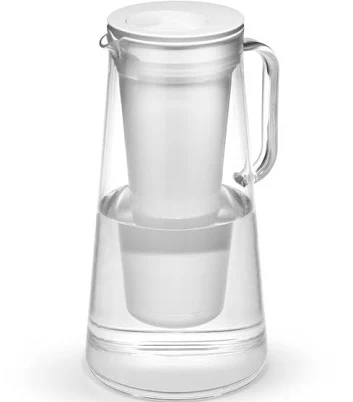
LifeStraw Home Award-Winning Water Filter Pitcher
Core filter function poses low PFAS concern, but pitcher materials undisclosed.
Activated-carbon filtration doesn't require PFAS to work. LifeStraw gives no public information about PFAS in the plastic pitcher, filter housing, or special coatings.
We flunk more products than we pass. This one earned its grade. How we grade
Material
Plastic pitcher with activated-carbon filter cartridge
Lab data
No public lab test
You may also be interested in
Top-graded picks in the categories readers replace first, every one scored on the same rubric.

- polypropylene filter housing, carbon/sediment cartridge
- We found no PFAS statement from the brand
- Bacterial growth in spent cartridges
3 hazards checked on this product, all on its full breakdown.

Aquasure
Premier Series 75 GPD Under Sink Reverse Osmosis Water Filtration System
- RO membrane, carbon filters, stainless steel housing
- We found no PFAS statement from the brand
- Bacterial and microbial growth in housing and filters
4 hazards checked on this product, all on its full breakdown.

Avocado
Vegan Mattress
- organic cotton, natural latex, coconut coir, recycled steel coils
- The brand calls it PFAS-free, which we have not verified
- Heavy metals
2 hazards checked on this product, all on its full breakdown.
What LifeStraw Home Filter Pitcher is made of, ingredients and materials
The pitcher is constructed from food-grade plastic (likely polypropylene or similar thermoplastic) with a replaceable activated-carbon filter cartridge. The plastic housing itself is not designed for heated water storage and is a passive container, reducing leaching risk compared to materials that degrade under temperature stress. Activated carbon is an inert, porous form of carbon that traps dissolved contaminants and chlorine through adsorption; it does not leach harmful compounds into water under normal use.
What’s concerning
No PFAS disclosure
No public statement from the brand about PFAS in this product.
Bacterial growth in filter cartridge
Activated-carbon filters can harbor pathogens (E. coli, Legionella) if not replaced on schedule or if the pitcher is left full and unused for extended periods. LifeStraw does not prominently advertise antimicrobial cartridge coatings or fail-safe indicators, leaving maintenance entirely user-dependent.
Filter media coatings or binders
Activated-carbon cartridges sometimes use synthetic binders or coatings to hold granules together; LifeStraw does not disclose whether these include epoxy resins, polyurethane, or other chemicals that could leach into filtered water. Independent third-party analysis of cartridge composition is not publicly available.
What’s reassuring
Base material not linked to PFAS
The main material recorded for this product is not one associated with PFAS.
Plastic leaching (pitcher housing)
Food-grade polypropylene or similar plastics used in passive water pitchers do not leach BPA, phthalates, or other endocrine disruptors under normal cold-water use at documented levels of concern. However, use of hot water or long-term sun exposure could theoretically accelerate degradation; no published testing for this product exists.
Housing material degradation over time
Plastic pitcher housings can become brittle or develop microcracks over years of use, especially if exposed to temperature swings or UV light; this does not directly introduce chemical hazards but may compromise filter integrity and allow bypass of unfiltered water.
Heavy metals
Activated-carbon filtration is moderately effective against chlorine and taste/odor but is not designed to remove all heavy metals (lead, mercury, arsenic) if cartridge is exhausted or improperly installed. LifeStraw Home pitchers should not be relied upon as sole remediation for known lead contamination; point-of-use testing and local water quality reports are essential.
Source, FDA ↗How is this PFAS grade calculated?
The brand's record and disclosure
LifeStraw is owned by Vestergaard Frandsen and has built reputation on portable water filtration in developing markets. The brand has not published detailed material safety data sheets or third-party testing results for the Home pitcher model on contaminant removal or pitcher material composition. No major recalls or safety controversies are on public record for this product line. The company's silence on pitcher material source and filter media coatings limits independent verification of heavy-metal or leachate risk.
How it compares in its category
LifeStraw Home sits in the mid-range pitcher-filter market, competing with Brita and PUR. Unlike some competitors, it does not use ion-exchange resin, which can introduce sodium or leach plastic degradation byproducts if poorly maintained. Activated-carbon pitchers generally carry lower maintenance risk than pitcher models that rely on mineral cartridges or complex filter stacks. Independent testing (NSF, WQA) claims are not prominently cited by LifeStraw, reducing verifiable comparative advantage.
If you buy it
Replace filter cartridges every 2-3 months or 40 gallons, whichever comes first, to prevent bacterial colonization inside the filter. Do not fill the pitcher with hot water; use only cold water to avoid potential plastic off-gassing or accelerated material degradation. Empty the pitcher and allow it to dry between uses if stored unused for more than a few days, and rinse the pitcher housing monthly with mild soap to prevent mold growth in the water contact surfaces. Store in a cool, dark location away from direct sunlight.
What is not known about PFAS in this product?
- Basis
- Model estimate, 62% confidence, not a lab result
- Lab test
- None on record for this exact product
- Brand statement
- LifeStraw has made a specific claim
Formulations change between production runs, so check the current label. How we grade.
What are the PFAS-free alternatives to LifeStraw Home Award-Winning Water Filter Pitcher?
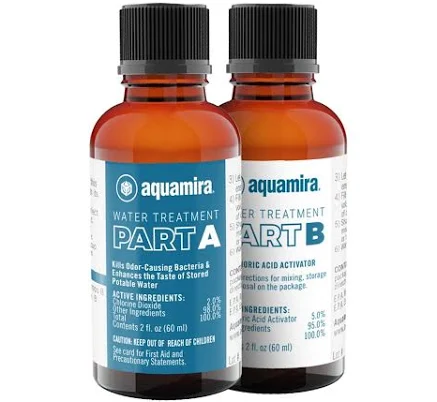
- glass bottles, sodium dichloroisocyanurate treatment chemical
- We found no PFAS statement from the brand
- Chemical overdose or misuse
5 hazards checked on this product, all on its full breakdown.

- Stainless steel housing and spigot
- We found no PFAS statement from the brand
- Bacterial growth and biofilm if filters not replaced
5 hazards checked on this product, all on its full breakdown.
- Borosilicate glass pitcher, replaceable activated-carbon filter cartridge
- Bacterial growth in filter cartridge if unmaintained
5 hazards checked on this product, all on its full breakdown.
More water filters grades
How we score, every product runs through the same public 0-100 rubric based on materials, coatings, brand disclosure, lab findings, and recalls. See the full methodology → Spotted a mistake? Report an error.