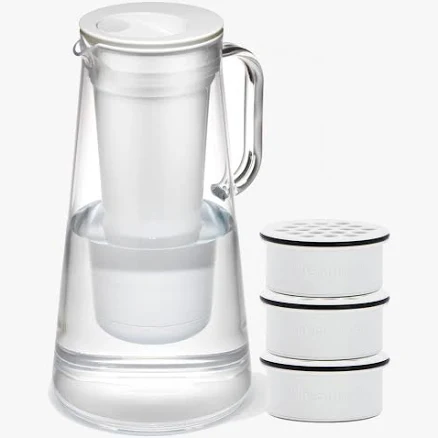
LifeStraw Home Replacement Pack
Filter materials themselves carry minimal PFAS risk without brand disclosure.
Activated carbon and hollow fiber membranes are well-established low-risk water filter materials. LifeStraw publishes no PFAS testing or third-party verification.
We flunk more products than we pass. This one earned its grade. How we grade
Material
Activated carbon, hollow fiber membrane (polypropylene/polyethylene base)
Lab data
No public lab test
You may also be interested in
Top-graded picks in the categories readers replace first, every one scored on the same rubric.

- polypropylene filter housing, carbon/sediment cartridge
- We found no PFAS statement from the brand
- Bacterial growth in spent cartridges
3 hazards checked on this product, all on its full breakdown.

Aquasure
Premier Series 75 GPD Under Sink Reverse Osmosis Water Filtration System
- RO membrane, carbon filters, stainless steel housing
- We found no PFAS statement from the brand
- Bacterial and microbial growth in housing and filters
4 hazards checked on this product, all on its full breakdown.

Avocado
Vegan Mattress
- organic cotton, natural latex, coconut coir, recycled steel coils
- The brand calls it PFAS-free, which we have not verified
- Heavy metals
2 hazards checked on this product, all on its full breakdown.
What LifeStraw Home Replacement Pack is made of, ingredients and materials
LifeStraw Home replacement cartridges use activated carbon (removes chlorine, taste, odor) layered with polypropylene or polyethylene hollow fiber membranes (blocks particles and microbes). These are industry-standard, chemically inert materials when properly manufactured. The carbon itself is biologically stable and does not leach organic compounds into water under normal use. Hollow fiber membranes are thermoplastic polymers chosen specifically for water contact because they resist degradation and don't off-gas into potable water.
What’s concerning
No PFAS disclosure
No public statement from the brand about PFAS in this product.
Bacterial growth from unmaintained or expired filter
Activated carbon, once saturated, can harbor bacteria if cartridges exceed replacement intervals. LifeStraw Home's design minimizes standing water compared to pitcher filters, but expired cartridges still pose microbial risk; timely replacement is critical.
Activated carbon dust ingestion at first use
Some users report black residue or particles in first filtered batches; this is unactivated carbon powder from manufacturing. A thorough initial flush eliminates risk, but consumer awareness is low.
Housing or sealing material degradation
Pitcher housing and rubber seals can degrade with age or mineral buildup, potentially allowing bypass of unfiltered water. Manufacturer provides no detailed specification on elastomer composition or replacement schedules for non-cartridge components.
Cartridge cracking from freezing or impact
Hollow fiber membranes are physically fragile. Frozen water in the cartridge or drops can cause hairline fractures that compromise filtration without visible signs; storage and handling precautions required.
What’s reassuring
Base material not linked to PFAS
The main material recorded for this product is not one associated with PFAS.
Polypropylene/polyethylene leaching under temperature stress
LifeStraw Home cartridges are designed for room-temperature water only. No documented leaching of BPA or phthalates reported; these polymers are stable at potable-water pH and temperature ranges.
How is this PFAS grade calculated?
The brand's record and disclosure
LifeStraw (Vestergaard company) holds NSF/WQA certification for several models, indicating third-party testing for contaminant reduction claims. The brand does not publicly disclose material sourcing, manufacturing standards beyond certification, or independent safety audit reports. No recalls or health incidents involving LifeStraw Home cartridges have been documented in public databases. The company's silence on material transparency and PFAS stance is typical for the sector but leaves consumers without detailed sourcing information.
How it compares in its category
LifeStraw Home cartridges are mid-tier in the replacement filter market, priced competitively against Brita and PUR but without the brand recognition of Aqua or commercial RO systems. Activated carbon filters are the most common residential choice and carry lower leaching risk than some ceramic or ion-exchange alternatives. Unlike pitcher filters, the LifeStraw Home pitcher design minimizes stagnant water and bacterial growth if cartridges are replaced on schedule. Most competitors offer similar NSF certifications but equally opaque material sourcing.
If you buy it
Replace cartridges every 2 months or per package guidance (typically 40-100 gallons depending on water quality); do not exceed recommended lifespan, as membrane saturation increases bacterial breakthrough risk. Always flush the pitcher with a small amount of filtered water before first use to clear any residual carbon dust or manufacturing residue. Store in a cool, dry place and never expose cartridges to freezing, as ice can rupture hollow fiber membranes. Visually inspect the cartridge and pitcher for cracks or cloudiness; discard if damaged.
What is not known about PFAS in this product?
- Basis
- Model estimate, 72% confidence, not a lab result
- Lab test
- None on record for this exact product
- Brand statement
- LifeStraw has made a specific claim
Formulations change between production runs, so check the current label. How we grade.
What are the PFAS-free alternatives to LifeStraw Home Replacement Pack?

- glass bottles, sodium dichloroisocyanurate treatment chemical
- We found no PFAS statement from the brand
- Chemical overdose or misuse
5 hazards checked on this product, all on its full breakdown.
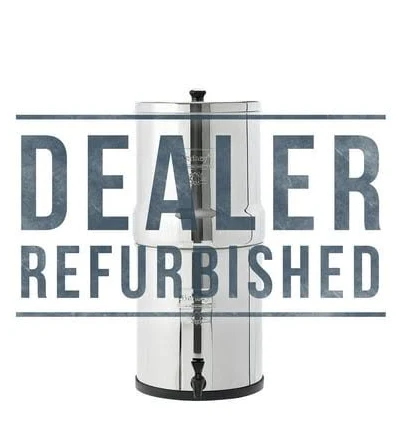
- Stainless steel housing and spigot
- We found no PFAS statement from the brand
- Bacterial growth and biofilm if filters not replaced
5 hazards checked on this product, all on its full breakdown.
- Borosilicate glass pitcher, replaceable activated-carbon filter cartridge
- Bacterial growth in filter cartridge if unmaintained
5 hazards checked on this product, all on its full breakdown.
More water filters grades
How we score, every product runs through the same public 0-100 rubric based on materials, coatings, brand disclosure, lab findings, and recalls. See the full methodology → Spotted a mistake? Report an error.