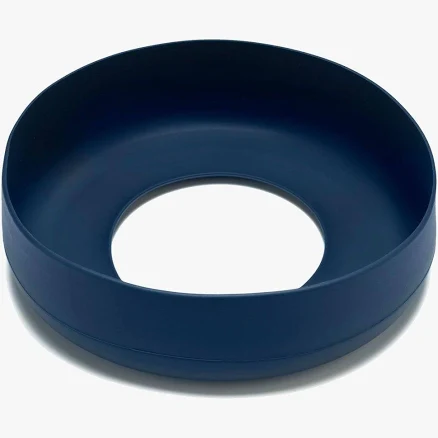
LifeStraw Home Silicone Base
Silicone base itself is lower-risk, but no public testing from brand.
Silicone elastomers don't typically need PFAS in their makeup. LifeStraw hasn't publicly tested or disclosed the filter cartridge composition.
We flunk more products than we pass. This one earned its grade. How we grade
Material
Silicone base (elastomer)
Lab data
No public lab test
You may also be interested in
Top-graded picks in the categories readers replace first, every one scored on the same rubric.

- polypropylene filter housing, carbon/sediment cartridge
- We found no PFAS statement from the brand
- Bacterial growth in spent cartridges
3 hazards checked on this product, all on its full breakdown.

Aquasure
Premier Series 75 GPD Under Sink Reverse Osmosis Water Filtration System
- RO membrane, carbon filters, stainless steel housing
- We found no PFAS statement from the brand
- Bacterial and microbial growth in housing and filters
4 hazards checked on this product, all on its full breakdown.

Avocado
Vegan Mattress
- organic cotton, natural latex, coconut coir, recycled steel coils
- The brand calls it PFAS-free, which we have not verified
- Heavy metals
2 hazards checked on this product, all on its full breakdown.
What LifeStraw Home Silicone Base is made of, ingredients and materials
The LifeStraw Home uses a silicone elastomer base, which is chemically inert and does not readily leach toxic compounds into water under normal use conditions. Silicone is a synthetic polymer with a stable Si-O backbone, fundamentally different from plastics like polycarbonate or polystyrene that carry BPA or phthalate risks. The base itself is not the filter media; it houses the replaceable cartridge containing the actual filtration material (typically activated carbon and ion exchange resin). This separation of housing from filter media reduces exposure to degradation products from the filtration substrate.
What’s concerning
No PFAS disclosure
No public statement from the brand about PFAS in this product.
Bacterial growth and biofilm if poorly maintained
Silicone is biologically inert but does not inhibit microbial colonization on its surface or in the water reservoir. Gaps between cartridge and housing or stagnant water can allow pathogens to proliferate if the filter is not replaced on schedule or if the device is stored wet without ventilation.
Filter cartridge performance degradation and breakthrough
Activated carbon and ion-exchange media lose adsorptive capacity over time and with use; replacement intervals are critical to ensuring contaminant removal. User neglect of cartridge replacement timelines is a documented source of inadequate filtration rather than a material safety defect.
Seal and gasket degradation over time
Silicone seals can harden or lose elasticity after several years of repeated use and temperature fluctuation, potentially allowing unfiltered water to bypass the cartridge. No specific durability data for this model's seals is publicly available.
What’s reassuring
Base material not linked to PFAS
The main material recorded for this product is not one associated with PFAS.
Leachables from silicone elastomer formulation
No published recalls or independent testing of the LifeStraw Home silicone base document leaching of oligomers, plasticizers, or other siloxane compounds. Silicone is chemically stable under cold-water conditions, but actual composition (degree of cross-linking, processing aids) is proprietary and not disclosed.
Contaminant carryover from cartridge manufacturing
The replaceable filter cartridge, not the silicone base, is the site of potential manufacturing residues or carbon dust. LifeStraw does not publish test certifications for cartridge purity or off-gassing, though most activated-carbon filters are flushed before use to reduce initial particulate.
How is this PFAS grade calculated?
The brand's record and disclosure
LifeStraw is owned by Vestergaard, a water-security company with ISO 14644 certifications for manufacturing standards, but the brand has not published detailed safety data sheets or third-party test results for the silicone housing material. No major product recalls have been publicly documented for bacterial contamination or leaching from the Home model. The company does not disclose PFAS use or avoidance in public statements, though silicone bases do not inherently require PFAS for water resistance. Transparency around material sourcing and testing remains limited for consumer information.
How it compares in its category
Silicone-based filter housings are less common than plastic (polypropylene or polycarbonate) alternatives in consumer water filters, and silicone presents a lower chemical leaching profile than hard plastics, especially in long-term storage. Most competing gravity-fed filters (Berkey, Aquapure) use plastic or stainless steel housings; silicone is softer and more flexible, which reduces cracking risk but requires more careful handling. The LifeStraw Home's design prioritizes durability and ease of cartridge replacement over passive maintenance, positioning it as mid-range in care demands relative to sealed countertop or under-sink systems.
If you buy it
Replace the filter cartridge every 6 to 12 months depending on water quality and volume used; LifeStraw recommends replacement before taste or flow declines noticeably. Store the base in a cool, dark place and keep the silicone housing dry between uses to prevent mold or bacterial biofilm growth inside the reservoir or seals. Do not expose the silicone base to temperatures above 60°C (140°F) or direct sunlight for extended periods, as thermal stress can degrade seal integrity over years of use. Clean the housing and all seals with a soft brush and mild soap monthly if the filter sits idle; standing water in silicone can harbor pathogens even though silicone itself does not leach into the water.
What is not known about PFAS in this product?
- Basis
- Model estimate, 72% confidence, not a lab result
- Lab test
- None on record for this exact product
- Brand statement
- LifeStraw has made a specific claim
Formulations change between production runs, so check the current label. How we grade.
What are the PFAS-free alternatives to LifeStraw Home Silicone Base?
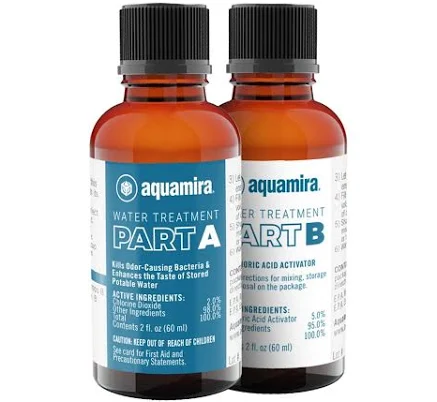
- glass bottles, sodium dichloroisocyanurate treatment chemical
- We found no PFAS statement from the brand
- Chemical overdose or misuse
5 hazards checked on this product, all on its full breakdown.
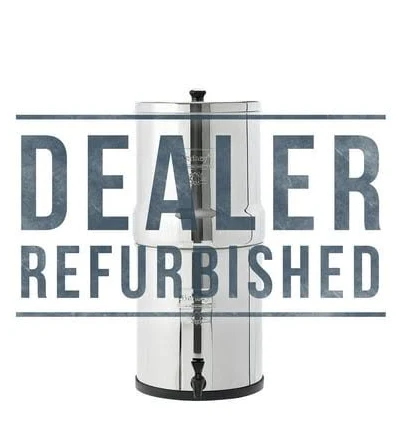
- Stainless steel housing and spigot
- We found no PFAS statement from the brand
- Bacterial growth and biofilm if filters not replaced
5 hazards checked on this product, all on its full breakdown.
- Borosilicate glass pitcher, replaceable activated-carbon filter cartridge
- Bacterial growth in filter cartridge if unmaintained
5 hazards checked on this product, all on its full breakdown.
More water filters grades
How we score, every product runs through the same public 0-100 rubric based on materials, coatings, brand disclosure, lab findings, and recalls. See the full methodology → Spotted a mistake? Report an error.