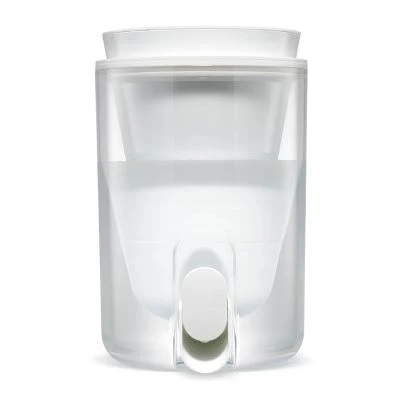
LifeStraw Home Studio Water Filter Dispenser
Carbon filter design is lower-risk, but brand makes no PFAS commitment.
Activated coconut carbon is a lower-PFAS-risk material compared to Teflon-family coating coatings. LifeStraw provides no public PFAS testing or certification.
We flunk more products than we pass. This one earned its grade. How we grade
Material
activated coconut carbon + plastic housing
Lab data
No public lab test
You may also be interested in
Top-graded picks in the categories readers replace first, every one scored on the same rubric.

- polypropylene filter housing, carbon/sediment cartridge
- We found no PFAS statement from the brand
- Bacterial growth in spent cartridges
3 hazards checked on this product, all on its full breakdown.

Aquasure
Premier Series 75 GPD Under Sink Reverse Osmosis Water Filtration System
- RO membrane, carbon filters, stainless steel housing
- We found no PFAS statement from the brand
- Bacterial and microbial growth in housing and filters
4 hazards checked on this product, all on its full breakdown.

Avocado
Vegan Mattress
- organic cotton, natural latex, coconut coir, recycled steel coils
- The brand calls it PFAS-free, which we have not verified
- Heavy metals
2 hazards checked on this product, all on its full breakdown.
What LifeStraw Home Studio Filter Dispenser is made of, ingredients and materials
The LifeStraw Home Studio uses a plastic housing (material type not publicly specified by brand, likely polypropylene or similar food-contact plastic) paired with activated coconut carbon filtration media. Coconut-based activated carbon is chemically stable and does not leach harmful compounds into water under normal use. The plastic housing itself carries standard BPA/BPS risk if it is polycarbonate, but polypropylene and similar thermoplastics used in water dispensers do not typically release these compounds at room temperature and neutral pH.
What’s concerning
No PFAS disclosure
No public statement from the brand about PFAS in this product.
Bacterial biofilm and microbial growth
All pitcher and dispenser filters accumulate biofilm on internal surfaces if filters are not replaced on schedule or water stagnates. LifeStraw's accessible design mitigates this compared to sealed pitchers, but only if user maintains regular replacement (every 2 months) and does not leave the dispenser standing full for extended periods.
Filter housing degradation and microplastic generation
Plastic housing exposed to repeated thermal cycles, sunlight, or mechanical wear can fragment over years of use. LifeStraw does not publish durability or lifespan data for the housing itself; replacement filters are sold separately, but no guidance on when to replace the dispenser body is provided.
Improper filter installation and bypass leakage
User error in seating the filter cartridge can create gaps that allow unfiltered water to pass directly into the supply. LifeStraw's design is relatively user-friendly, but instructional clarity in packaging and online setup guides is inconsistent across product batches and regions.
What’s reassuring
Base material not linked to PFAS
The main material recorded for this product is not one associated with PFAS.
BPA & bisphenols
LifeStraw does not publicly disclose the specific plastic resin used for housing. Polypropylene and similar food-contact polymers used in water dispensers do not release BPA or BPS at room temperature; risk is only elevated if the plastic is polycarbonate, which is uncommon in this product category and not indicated in available LifeStraw documentation.
Source, FDA ↗Activated carbon dust or particulate shedding
Coconut-based activated carbon media is generally more structurally stable than coal-based carbon and sheds fewer fines. No reports of visible particles in water from LifeStraw Home units; however, initial rinsing of a new filter is recommended industry-wide to remove any manufacturing dust.
How is this PFAS grade calculated?
The brand's record and disclosure
LifeStraw is owned by Vestergaard and has built a strong reputation for transparency in water filtration performance, with third-party testing visible on product pages. However, the brand makes no public statements about PFAS removal or presence in housing materials, which is notable given PFAS contamination in drinking water is a growing consumer concern. No major recalls or safety controversies involving this specific product line are on public record. The company does not publish material safety data sheets or detailed composition breakdowns for housing plastics.
How it compares in its category
Home pitcher and dispenser filters vary widely in plastic housing robustness; LifeStraw's coconut carbon media is on the higher end of consumer-grade filtration and avoids granular activated carbon dusting seen in cheaper units. The main category risk across all pitcher filters is bacterial biofilm growth inside the housing if filters are not replaced on schedule or if the dispenser is left standing with stagnant water. LifeStraw's design includes a relatively accessible internal chamber, which supports easier cleaning compared to sealed pitcher filters, reducing bacterial risk if maintained.
If you buy it
Replace filters every 2 months or 200 gallons (whichever comes first); LifeStraw publishes clear guidelines. Do not leave filled dispensers sitting unused for more than a week, as standing water breeds bacteria regardless of carbon quality. Rinse the housing and allow it to air-dry completely between refills. Do not use hot water in the dispenser; activated carbon is stable but plastic housing can degrade if exposed to sustained heat above 60°C (140°F). Store in a cool, dry place away from direct sunlight to prevent algae growth in the transparent sections.
What is not known about PFAS in this product?
- Basis
- Model estimate, 72% confidence, not a lab result
- Lab test
- None on record for this exact product
- Brand statement
- LifeStraw has made a specific claim
Formulations change between production runs, so check the current label. How we grade.
What are the PFAS-free alternatives to LifeStraw Home Studio Water Filter Dispenser?
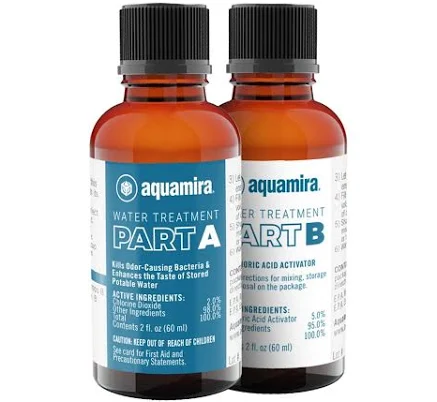
- glass bottles, sodium dichloroisocyanurate treatment chemical
- We found no PFAS statement from the brand
- Chemical overdose or misuse
5 hazards checked on this product, all on its full breakdown.

- Stainless steel housing and spigot
- We found no PFAS statement from the brand
- Bacterial growth and biofilm if filters not replaced
5 hazards checked on this product, all on its full breakdown.
- Borosilicate glass pitcher, replaceable activated-carbon filter cartridge
- Bacterial growth in filter cartridge if unmaintained
5 hazards checked on this product, all on its full breakdown.
More water filters grades
How we score, every product runs through the same public 0-100 rubric based on materials, coatings, brand disclosure, lab findings, and recalls. See the full methodology → Spotted a mistake? Report an error.