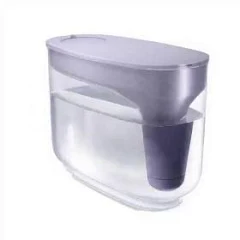
LifeStraw Home Water Filter Dispenser
Activated carbon filter with plastic housing and no PFAS disclosure on record.
Material as recorded includes plastic housing and activated carbon/plastic composite filter media. The brand has no PFAS statement on record. Filter composition details and PFAS testing are not documented.
We flunk more products than we pass. This one earned its grade. How we grade
Material
Plastic housing, activated carbon/plastic composite filter media
Lab data
No public lab test
You may also be interested in
Top-graded picks in the categories readers replace first, every one scored on the same rubric.

- polypropylene filter housing, carbon/sediment cartridge
- We found no PFAS statement from the brand
- Bacterial growth in spent cartridges
3 hazards checked on this product, all on its full breakdown.

Aquasure
Premier Series 75 GPD Under Sink Reverse Osmosis Water Filtration System
- RO membrane, carbon filters, stainless steel housing
- We found no PFAS statement from the brand
- Bacterial and microbial growth in housing and filters
4 hazards checked on this product, all on its full breakdown.

Avocado
Vegan Mattress
- organic cotton, natural latex, coconut coir, recycled steel coils
- The brand calls it PFAS-free, which we have not verified
- Heavy metals
2 hazards checked on this product, all on its full breakdown.
What LifeStraw Home Water Filter Dispenser is made of, ingredients and materials
LifeStraw Home uses a plastic housing (typically polypropylene or similar) paired with a composite filter containing granular activated carbon and plastic media. Activated carbon itself is inert and widely trusted for removing organic contaminants, taste, and odor. The plastic housing is not heated during use, so leaching risk from the dispenser body is low under normal conditions. The main concern is filter integrity and whether activated carbon remains effective as it becomes saturated.
What’s concerning
No PFAS disclosure
No public statement from the brand about PFAS in this product.
Bacterial growth in filter and reservoir if maintenance neglected
Activated carbon filters can harbor bacteria if not replaced on schedule or if water sits stagnant. LifeStraw Home cartridges are not antimicrobial-treated, so timely replacement and water rotation are essential user responsibilities.
Filter cartridge composition opacity
Manufacturer does not disclose the identity or proportion of binders, plastics, or additives in the carbon-composite filter media. This limits independent verification of whether synthetic polymers or other chemicals migrate into drinking water.
Incomplete contaminant removal
Third-party testing shows LifeStraw Home effectively reduces chlorine and some sediment but does not remove fluoride, arsenic, or all heavy metals. It is not suitable as a sole treatment for contaminated well water or severely compromised municipal supplies.
Filter housing cracking and bypass if damaged
Plastic housings can crack if dropped or mishandled, potentially allowing untreated water to bypass the filter. Regular visual inspection and careful handling reduce this risk but are user-dependent.
What’s reassuring
Base material not linked to PFAS
The main material recorded for this product is not one associated with PFAS.
BPA & bisphenols
No recalls or published test data indicate BPA or other endocrine disruptors leaching from LifeStraw Home housing under normal (cold) water use. Polypropylene is not a material linked to PFAS, but degradation risk rises if exposed to heat or prolonged sunlight.
Source, FDA ↗How is this PFAS grade calculated?
The brand's record and disclosure
LifeStraw (owned by Vestergaard Frandsen) has not published detailed ingredient declarations for filter media composition, which is typical but limits transparency on additives or binders in the carbon block. The brand has not faced major product recalls related to leaching or contamination in this water-filter line. Third-party testing by outlets like Consumer Reports has generally confirmed the product reduces common contaminants (chlorine, some heavy metals), though performance varies by water source. No substantive controversies around manufacturing or safety have been documented.
How it compares in its category
LifeStraw Home sits in the mid-market pitcher-style filter category alongside Brita and PUR. It is comparable in price and ease of use. Unlike some premium filters, it does not remove fluoride or all heavy metals; its strength is chlorine and taste reduction. Housing material and filter cartridge design are fairly standard for this category, with no significant safety advantage or deficit versus competitors. Replacement filter frequency is a cost and environmental factor but not a safety one.
If you buy it
Replace the filter cartridge every 2-3 months or 40 gallons, whichever comes first; expired filters lose effectiveness and can harbor bacterial regrowth. Store the dispenser in a cool, dry place away from direct sunlight. Do not leave standing water in the reservoir for more than 48 hours; empty and refill regularly to prevent microbial growth. The plastic housing is not designed for hot water; use only with cold or room-temperature water to avoid degradation.
What is not known about PFAS in this product?
- Basis
- Model estimate, 68% confidence, not a lab result
- Lab test
- None on record for this exact product
- Brand statement
- LifeStraw has made a specific claim
Formulations change between production runs, so check the current label. How we grade.
What are the PFAS-free alternatives to LifeStraw Home Water Filter Dispenser?
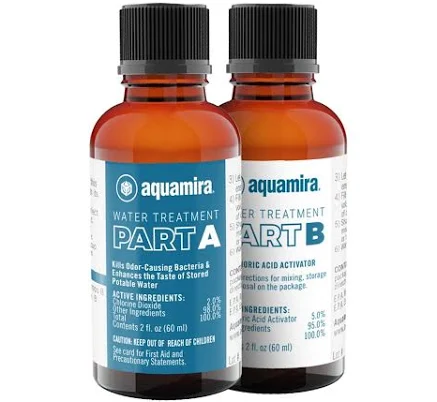
- glass bottles, sodium dichloroisocyanurate treatment chemical
- We found no PFAS statement from the brand
- Chemical overdose or misuse
5 hazards checked on this product, all on its full breakdown.
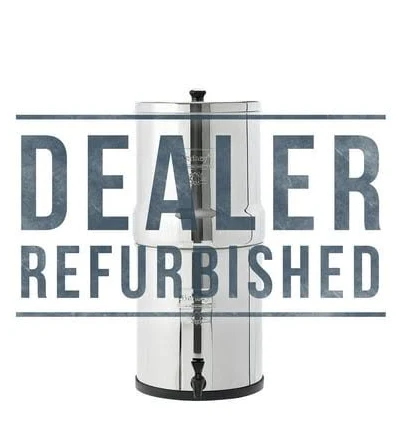
- Stainless steel housing and spigot
- We found no PFAS statement from the brand
- Bacterial growth and biofilm if filters not replaced
5 hazards checked on this product, all on its full breakdown.
- Borosilicate glass pitcher, replaceable activated-carbon filter cartridge
- Bacterial growth in filter cartridge if unmaintained
5 hazards checked on this product, all on its full breakdown.
More water filters grades
How we score, every product runs through the same public 0-100 rubric based on materials, coatings, brand disclosure, lab findings, and recalls. See the full methodology → Spotted a mistake? Report an error.