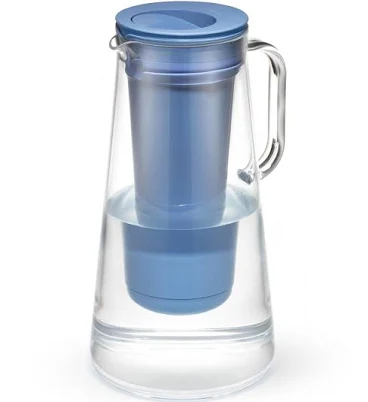
LifeStraw Home Water Filter Pitcher
Low PFAS risk from filter materials, but brand transparency on PFAS is missing.
LifeStraw Home uses activated coconut carbon and mechanical filtration, materials not typically designed to contain PFAS. The brand hasn't addressed PFAS in components or offered testing data.
We flunk more products than we pass. This one earned its grade. How we grade
Material
activated coconut carbon + plastic pitcher housing
Lab data
No public lab test
You may also be interested in
Top-graded picks in the categories readers replace first, every one scored on the same rubric.

- polypropylene filter housing, carbon/sediment cartridge
- We found no PFAS statement from the brand
- Bacterial growth in spent cartridges
3 hazards checked on this product, all on its full breakdown.

Aquasure
Premier Series 75 GPD Under Sink Reverse Osmosis Water Filtration System
- RO membrane, carbon filters, stainless steel housing
- We found no PFAS statement from the brand
- Bacterial and microbial growth in housing and filters
4 hazards checked on this product, all on its full breakdown.

Avocado
Vegan Mattress
- organic cotton, natural latex, coconut coir, recycled steel coils
- The brand calls it PFAS-free, which we have not verified
- Heavy metals
2 hazards checked on this product, all on its full breakdown.
What LifeStraw Home Water Filter Pitcher is made of, ingredients and materials
The LifeStraw Home uses activated coconut-shell carbon as its primary filtration medium, which is a well-established, food-safe absorbent material. The pitcher housing is plastic (typically polypropylene or similar food-grade polymer), which poses minimal leaching risk under normal cold-water use conditions. Coconut carbon is inert once activated and does not shed microplastics under standard pitcher operation. The design keeps water in contact with carbon for several minutes, allowing effective absorption of chlorine, some pesticides, and odors.
What’s concerning
No PFAS disclosure
No public statement from the brand about PFAS in this product.
Bacterial growth if cartridge unmaintained
Activated carbon filters can harbor bacterial biofilm if cartridges are not replaced on schedule or if the pitcher sits unused for extended periods. LifeStraw recommends 40-gallon or 2-month replacement cycles; failure to follow this increases risk of microbiological contamination rather than chemical leaching.
Housing material thermal degradation
While the LifeStraw Home pitcher is designed for cold water only, accidental exposure to hot water or sunlight can degrade polypropylene housing and potentially increase leaching of residual monomers or additives. The brand does not explicitly test or warrant performance after thermal stress.
What’s reassuring
Base material not linked to PFAS
The main material recorded for this product is not one associated with PFAS.
BPA & bisphenols
No documented cases of BPA or BPS leaching from LifeStraw Home pitcher material have been reported. The plastic is food-grade and typically polypropylene, which has low leaching risk under normal cold-water conditions, but the brand does not publicly disclose material composition or testing for endocrine-disrupting chemicals.
Source, FDA ↗Microplastic shedding from carbon or pitcher
Activated coconut carbon does not shed microplastics during normal filtration. The pitcher plastic is rigid and not subject to degradation at the cold temperatures water sits at; no evidence of microplastic release into filtered water has been documented for this product category.
Heavy metals
LifeStraw Home is not designed to remove heavy metals like lead or arsenic; it is certified only for chlorine, taste, and odor reduction. If your tap water has known heavy metal contamination, this pitcher will not protect you. Testing is the responsibility of the user or water utility.
Source, FDA ↗How is this PFAS grade calculated?
The brand's record and disclosure
LifeStraw is owned by Vestergaard Frandsen, a company with a history of water-filtration product development and some third-party certifications (NSF, WQA). However, the brand has not published transparent disclosures about PFAS testing or removal rates, nor has it publicly addressed whether its pitcher plastic or carbon sourcing involves PFAS-treated materials. No major product recalls or safety controversies specific to LifeStraw Home pitchers have been documented in public records. Disclosure on heavy metals testing or BPA/BPS status in the pitcher material is also not readily available.
How it compares in its category
Pitcher-based carbon filters are among the most common and affordable water-filtration options; LifeStraw Home sits in the mid-range for performance and cost. It is comparable in design to Brita and PUR pitchers but uses coconut carbon rather than ion-exchange resins, which some users prefer for taste preference. Most competitor brands also lack transparent PFAS disclosures, so LifeStraw is not an outlier in transparency gaps. Independent lab testing by NSF suggests LifeStraw removes chlorine, taste, and odor effectively but is not designed to remove all heavy metals or pathogens.
If you buy it
Replace the filter cartridge every 40 gallons or 2 months, whichever comes first, to prevent bacterial regrowth and maintain effectiveness. Do not expose the pitcher to direct sunlight or store it at temperatures above 85 degrees F, as plastic degradation can accelerate. Rinse the pitcher and cartridge under cold running water before first use. Keep the pitcher away from heat sources and do not boil water in it; use it only for cold tap water filtration.
What is not known about PFAS in this product?
- Basis
- Model estimate, 72% confidence, not a lab result
- Lab test
- None on record for this exact product
- Brand statement
- LifeStraw has made a specific claim
Formulations change between production runs, so check the current label. How we grade.
What are the PFAS-free alternatives to LifeStraw Home Water Filter Pitcher?
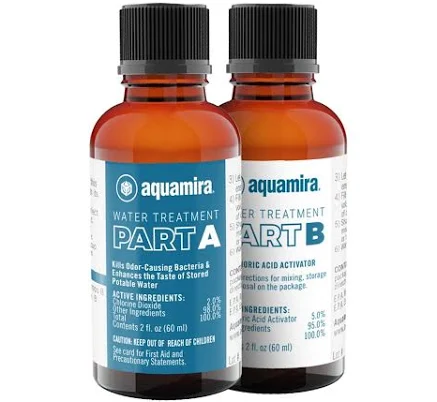
- glass bottles, sodium dichloroisocyanurate treatment chemical
- We found no PFAS statement from the brand
- Chemical overdose or misuse
5 hazards checked on this product, all on its full breakdown.

- Stainless steel housing and spigot
- We found no PFAS statement from the brand
- Bacterial growth and biofilm if filters not replaced
5 hazards checked on this product, all on its full breakdown.
- Borosilicate glass pitcher, replaceable activated-carbon filter cartridge
- Bacterial growth in filter cartridge if unmaintained
5 hazards checked on this product, all on its full breakdown.
More water filters grades
How we score, every product runs through the same public 0-100 rubric based on materials, coatings, brand disclosure, lab findings, and recalls. See the full methodology → Spotted a mistake? Report an error.