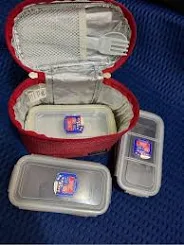
Lock & Lock LocknLock 3-Piece Lunch Box Set
Lower concern lunch boxes; no PFAS indicator found in available specs.
Lock & Lock lunch boxes are rigid polypropylene food containers without disclosed coatings or nonstick treatments. No brand PFAS claim or third-party verification available.
We flunk more products than we pass. This one earned its grade. How we grade
Material
polypropylene containers, stainless steel latch hardware
Brand disclosure
Brand is silent on PFAS
Lab data
No public lab test
What Lock & Lock LocknLock 3-Piece Lunch Box is made of, ingredients and materials
Lock & Lock lunch boxes are constructed from polypropylene (PP), a thermoplastic polymer with no known BPA or BPS formulations in this product line. Polypropylene is food-contact approved in most jurisdictions and does not leach endocrine disruptors at room temperature. The stainless steel latches avoid plastic hardware that might contain heavy metals or degradation byproducts. PP itself is chemically stable when used below 100-110°C; this product is designed for cold and room-temperature storage, where migration risk is minimal.
What’s concerning
Category baseline
The starting point for this type of product, before anything specific to this product is counted.
No PFAS disclosure
No public statement from the brand about PFAS in this product.
Microplastics
Polypropylene can shed particles if scratched, compressed repeatedly, or exposed to prolonged UV light or heat above safe limits. Risk is higher if containers are microwaved or damaged; regular inspection is advisable.
Source, EPA ↗Volatile organic compound (VOC) off-gassing
New polypropylene containers may emit mild odors during initial unboxing due to manufacturing residues, but this typically dissipates within days and is not associated with toxicity. Airing containers before first use may reduce any off-odor.
What’s reassuring
Base material not linked to PFAS
The main material recorded for this product is not one associated with PFAS.
BPA & bisphenols
Polypropylene formulations do not typically contain BPA or BPS; Lock & Lock has not declared the use of these compounds and no recalls or reports exist for this product regarding bisphenol contamination.
Source, FDA ↗Phthalate plasticizers
Polypropylene is not a phthalate-softened polymer; phthalates are not required in PP formulations. No evidence of phthalate use in this product line is on record.
Heavy metals
Stainless steel latches are corrosion-resistant and not a known source of lead or cadmium leaching in food contact applications; no reports of contamination from Lock & Lock hardware exist.
Source, FDA ↗The full breakdown
The brand's record and disclosure
Lock & Lock has not published detailed safety or chemical disclosures regarding phthalates, BPA, or other additives in their published specifications or sustainability statements. The brand carries no major recalls related to leaching or contamination in available databases. The company is primarily known for design (airtight seals, durability) rather than material transparency; no independent third-party certifications (BPA-free labeling, NSF, or similar) are prominently documented for this specific set.
How it compares in its category
Polypropylene lunch boxes are standard in the food storage market and generally rank lower-concern than older polycarbonate containers (which may contain BPA). Glass and stainless steel alternatives eliminate polymer migration entirely but are heavier and more fragile. Lock & Lock's focus on mechanical sealing (latches) rather than lids with integral gaskets reduces reliance on silicone or rubber additives that can off-gas or leach. Performance in durability and seal quality is comparable to competitors like Rubbermaid and Sistema.
If you buy it
Polypropylene containers should not be microwaved or heated above 100°C; use the containers for cold or room-temperature foods only, or transfer food to glass before heating. Inspect latches and seals regularly for cracks or wear, as degraded plastic can shed microparticles. Hand-wash recommended to extend the life of seals and avoid dishwasher heat cycles. Replace containers if lids become cloudy, brittle, or no longer seal properly, as these signs indicate polymer degradation.
What we don’t know
- Basis
- Model estimate, 72% confidence, not a lab result
- Lab test
- None on record for this exact product
- Brand statement
- Lock & Lock has made none
Formulations change between production runs, so check the current label. How we grade.
Better-graded alternatives in Lunch Boxes
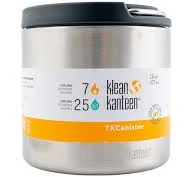
Klean Kanteen
Double Wall Vacuum Insulated Stainless Steel Food Canister Container with Leak Proof Lid
- Stainless steel body, silicone gasket lid seal
- The brand calls it PFAS-free, which we have not verified
- Silicone gasket degradation
3 hazards checked on this product. See all of them.
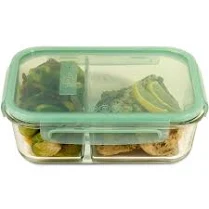
Snapware
Meal Box Glass
- borosilicate glass
- We found no PFAS statement from the brand
- Leaching from glass matrix or lid seals
2 hazards checked on this product. See all of them.
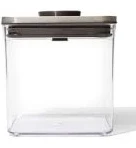
OXO
Steel Pop Big Square Short - 2.8 Qt/2.6 l
- Stainless steel container, no surface treatment
- Lid/gasket polymer leaching
3 hazards checked on this product. See all of them.
More lunch boxes grades
How we score, every product runs through the same public 0-100 rubric based on materials, coatings, brand disclosure, lab findings, and recalls. See the full methodology → Spotted a mistake? Report an error.