![[Lock & Lock] Stainless Steel Thermal Dosirak](/img/10754/lock-lock-lock-lock-stainless-steel-thermal-dosirak)
[Lock & Lock] Stainless Steel Thermal Dosirak
Lower PFAS concern, stainless steel food container with no surface treatment.
Stainless steel thermal container with no nonstick or waterproof coating disclosed. Bare stainless steel poses minimal PFAS risk for food storage.
The better-graded swap
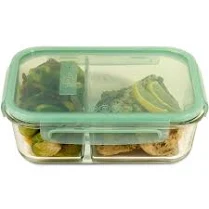
Snapware
Snapware Meal Box Glass
80/100 safety
Same rubric that flunked this product. The swap earned Excellent.
Still want this one anyway? Check the price on Amazon. We’d swap it.
Material
stainless steel, no coating specified
Brand disclosure
Brand is silent on PFAS
Lab data
No public lab test
What [Lock & Lock] Stainless Steel Thermal is made of, ingredients and materials
This dosirak (bento-style thermal lunch container) is constructed from stainless steel, a nonreactive metal that does not leach metals or chemicals into food under normal use. Stainless steel has no polymer coating, glaze, or enamel layer that could degrade or release synthetic compounds over time. The thermal design relies on air gaps or insulation rather than chemical treatments, making material migration to food extremely unlikely.
What’s concerning
Category baseline
The starting point for this type of product, before anything specific to this product is counted.
No PFAS disclosure
No public statement from the brand about PFAS in this product.
Gasket/seal leaching (rubber or silicone)
The thermal dosirak likely contains silicone or rubber seals or gaskets around the lid and thermal chamber. These materials can leach small amounts of volatile organic compounds or oligomers with age and repeated washing, though the risk is low compared to plastic food-contact surfaces.
Bacterial growth in thermal cavity
If the thermal insulation involves hollow spaces or foam, incomplete drying or decomposition of the insulating medium could create pockets for mold or bacterial growth if the container is sealed when wet or left in warm conditions for extended periods.
Epoxy adhesive in seams or assembly
Stainless steel thermal containers are often assembled with epoxy or other adhesives to bond the double walls or seal the thermal chamber. If formulated without food-safe certification, epoxies can leach BPA or other monomers into food over time, though such migration is low in sealed, non-heated contact.
What’s reassuring
Base material not linked to PFAS
The main material recorded for this product is not one associated with PFAS.
Nickel leaching from stainless steel
Stainless steel grade is not specified on this product. High-quality food-grade stainless (304/18-8 or higher) releases negligible nickel under normal use; lower-grade alloys or manufacturing defects could theoretically increase nickel release, but no recalls or complaints are on record for Lock & Lock stainless dosirak.
Lead
The exterior finish is not described as having a glazed or painted coating. If any colored trim, handles, or decorative elements are present, they could theoretically contain lead or cadmium pigments, but no such contamination has been reported for this product line.
Source, ATSDR ↗The full breakdown
The brand's record and disclosure
Lock & Lock is a South Korean kitchenware manufacturer with a large global market presence, particularly in plastic food-storage containers. Public disclosure of material sourcing, heavy-metal testing, or chemical-use policies is limited and not prominently advertised. No major recalls or documented safety violations specific to their stainless steel lines have been widely reported, though the brand's transparency regarding contaminant testing lags industry leaders.
How it compares in its category
Stainless steel food containers show lower concern for leaching compared to many plastics, with durability advantages over glass. This product avoids the BPA, phthalate, and leaching risks inherent in polypropylene or polycarbonate alternatives. However, some competing brands (e.g., high-end Japanese stainless brands) offer greater transparency on material grading and manufacturing standards.
If you buy it
Hand wash with mild soap to avoid damage to any internal epoxy or adhesive seals; do not submerge the thermal components if they contain foam or air chambers. Stainless steel itself tolerates heat and acidic foods well, but inspect seals and gaskets annually for wear, as degrading rubber or silicone components are the likeliest failure points. Replace the container if seals crack or dent, as compromised integrity may allow bacterial growth in insulating gaps.
What we don’t know
- Basis
- Model estimate, 78% confidence, not a lab result
- Lab test
- None on record for this exact product
- Brand statement
- Lock & Lock has made none
Formulations change between production runs, so check the current label. How we grade.
Better-graded alternatives in Lunch Boxes
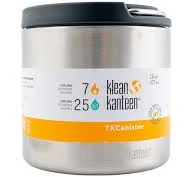
Klean Kanteen
Double Wall Vacuum Insulated Stainless Steel Food Canister Container with Leak Proof Lid
- Stainless steel body, silicone gasket lid seal
- The brand calls it PFAS-free, which we have not verified
- Silicone gasket degradation
3 hazards checked on this product. See all of them.
Snapware
Meal Box Glass
- borosilicate glass
- We found no PFAS statement from the brand
- Leaching from glass matrix or lid seals
2 hazards checked on this product. See all of them.
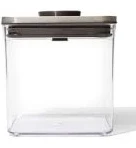
OXO
Steel Pop Big Square Short - 2.8 Qt/2.6 l
- Stainless steel container, no surface treatment
- Lid/gasket polymer leaching
3 hazards checked on this product. See all of them.
More lunch boxes grades
How we score, every product runs through the same public 0-100 rubric based on materials, coatings, brand disclosure, lab findings, and recalls. See the full methodology → Spotted a mistake? Report an error.