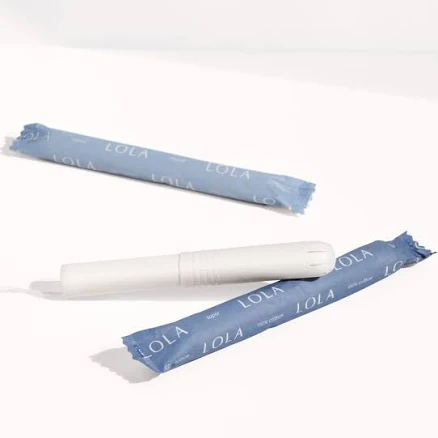
LOLA All Super Cardboard Applicator Organic Tampons
No coating of concern recorded, and no PFAS statement from the brand.
The brand has published no PFAS statement for this product that we could find.
We flunk more products than we pass. This one earned its grade. How we grade
Material
organic cotton tampon, cardboard applicator
Brand disclosure
Brand is silent on PFAS
Lab data
No public lab test
You may also be interested in
Top-graded picks in the categories readers replace first, every one scored on the same rubric.

- polypropylene filter housing, carbon/sediment cartridge
- We found no PFAS statement from the brand
- Bacterial growth in spent cartridges
3 hazards checked on this product, all on its full breakdown.

Aquasure
Premier Series 75 GPD Under Sink Reverse Osmosis Water Filtration System
- RO membrane, carbon filters, stainless steel housing
- We found no PFAS statement from the brand
- Bacterial and microbial growth in housing and filters
4 hazards checked on this product, all on its full breakdown.

Avocado
Vegan Mattress
- organic cotton, natural latex, coconut coir, recycled steel coils
- The brand calls it PFAS-free, which we have not verified
- Heavy metals
2 hazards checked on this product, all on its full breakdown.
What LOLA All Super Cardboard Organic Tampons is made of, ingredients and materials
LOLA All Super tampons use organic cotton as the absorbent core, which eliminates synthetic fiber concerns and conventional pesticide residues found in non-organic cotton tampons. The cardboard applicator is an inert, biodegradable material that presents no chemical leaching risk during use. Organic cotton production standards (GOTS certified or equivalent) restrict synthetic dyes, heavy metals in processing, and formaldehyde-releasing resins used in conventional tampon manufacturing. The absence of synthetic applicators (plastic or plastic-coated cardboard) removes concerns about plastic breakdown and microplastic shedding in sensitive tissues.
What’s concerning
No PFAS disclosure
No public statement from the brand about PFAS in this product.
Category baseline
The starting point for this type of product, before anything specific to this product is counted.
Cardboard applicator degradation and splinter risk
Cardboard can absorb moisture, soften, and splinter with rough handling or if stored in humid conditions. While this is a mechanical rather than chemical hazard, careful insertion technique and proper storage minimize risk.
What’s reassuring
Base material not linked to PFAS
The main material recorded for this product is not one associated with PFAS.
Dioxins and chlorine residues from bleaching
Organic cotton tampons may use elemental chlorine-free (ECF) or oxygen bleaching rather than chlorine gas, but LOLA does not publicly specify bleaching methods. Published research on conventional tampons documents trace dioxin levels; organic-certified products typically use gentler bleaching but no independent testing on LOLA products is on record.
Formaldehyde / VOCs
Organic cotton and organic processing standards restrict formaldehyde-releasing finishes. No incidents or test results suggesting formaldehyde residues in LOLA tampons have been reported; material choice makes this hazard unlikely but not independently verified.
Source, ATSDR ↗Lead
Organic cotton production restricts synthetic azo dyes linked to heavy metal contamination. LOLA does not disclose dye sourcing, but organic certification typically enforces metal limits in textile dyes. No contamination incidents on record.
Source, ATSDR ↗Microplastic shedding from non-absorbent components
Cardboard applicators do not shed microplastics. Organic cotton fibers are natural and do not fragment into synthetic particles. This hazard is eliminated compared to plastic-applicator tampons, though no specific testing of LOLA products exists on record.
How is this PFAS grade calculated?
The brand's record and disclosure
LOLA markets itself as an organic, toxin-conscious brand focused on menstrual product safety and has built reputation around ingredient transparency. The brand does not publicly disclose PFAS testing or make statements about PFAS avoidance, which is typical for smaller organic brands that rely on material choice (organic cotton, cardboard) rather than third-party chemical verification. No product recalls, contamination incidents, or safety controversies have been established in public records for this product line. The brand does not appear to hold major certifications like Cradle to Cradle or NSF, but organic cotton sourcing and cardboard applicators align with low-chemical-input manufacturing.
How it compares in its category
Most conventional tampons use rayon or rayon-cotton blends, which carry documented risks of chlorine-based bleach residues (dioxins, though at trace levels) and potential formaldehyde resin sizing. Plastic applicators dominate mass-market tampons and introduce microplastic fragmentation risk over extended shelf life or high heat exposure. LOLA's organic cotton and cardboard design represents the lower-chemical end of the tampon category, comparable to other certified organic brands (Natracare, Cora) but typically at higher price point. Cardboard applicators are less convenient than plastic but pose no chemical transfer risk during insertion.
If you buy it
Store tampons in cool, dry conditions to prevent cardboard softening or moisture absorption that could degrade applicator integrity. Cardboard applicators can splinter if over-handled; insert with care and do not force if applicator feels compromised. Replace any tampons exposed to prolonged humidity or high heat (e.g., bathroom under-sink storage in hot climates). Organic cotton does not require special handling beyond standard tampon use practices; change every 4-8 hours per medical guidance to reduce infection risk, independent of material type.
What is not known about PFAS in this product?
- Basis
- Model estimate, 78% confidence, not a lab result
- Lab test
- None on record for this exact product
- Brand statement
- Lola has made none
Formulations change between production runs, so check the current label. How we grade.
What are the PFAS-free alternatives to LOLA All Super Cardboard Applicator Organic Tampons?
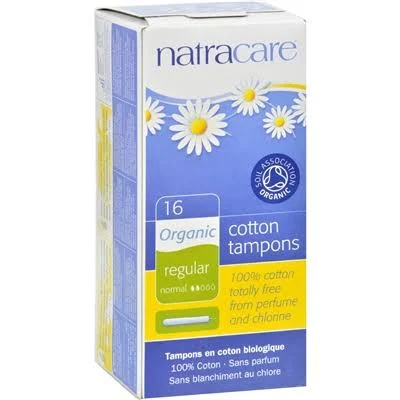
- 100% organic cotton
- A third party reports verifying it as PFAS-free
- Heavy metals
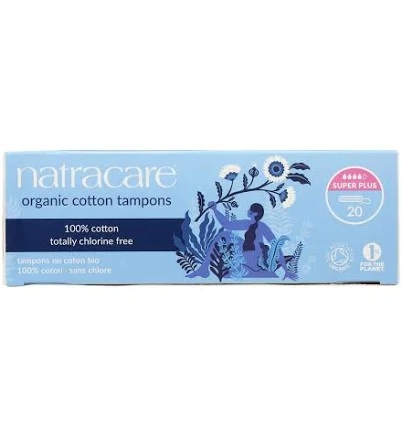
Natracare
Organic Super Plus Tampons, 3 x 20 ct
- organic cotton, cardboard applicator
- The brand calls it PFAS-free, which we have not verified
- Dioxins from bleaching
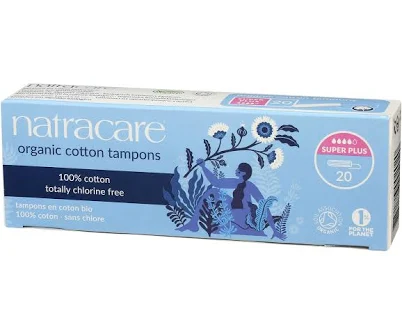
Natracare
Organic Cotton Super Plus Tampons
- organic cotton, no added fluorochemicals
- The brand calls it PFAS-free, which we have not verified
- Verified PFAS-free by a third party
More tampons grades
How we score, every product runs through the same public 0-100 rubric based on materials, coatings, brand disclosure, lab findings, and recalls. See the full methodology → Spotted a mistake? Report an error.