
L*Space Sunrise Shell Bikini Top
Skip until brand discloses water-repellent coating chemistry, PFAS risk likely but unconfirmed.
L*Space swimwear uses water-repellent coating treatments typical in swim apparel, which commonly contain PFAS to repel water and salt. The brand makes no public disclosure of PFAS presence or absence.
The better-graded swap
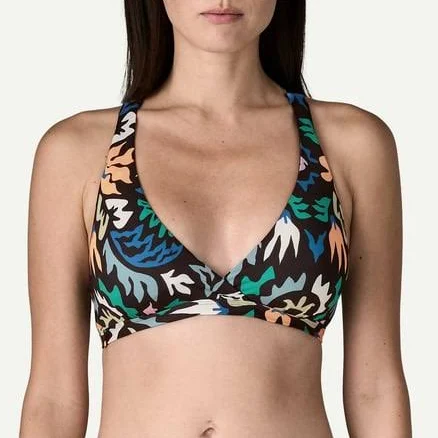
Patagonia
Patagonia Women's Bottom Turn Racerback Bikini Top
90/100 safety
Same rubric that flunked this product. The swap earned Excellent.
Still want this one anyway? Check the price on Amazon. We’d swap it.
Material
Nylon/polyester blend with water-repellent coating treatment
Brand disclosure
Brand is silent on PFAS
Lab data
No public lab test
What L*Space Sunrise Shell Bikini Top is made of, ingredients and materials
This bikini top is a nylon/polyester blend, both synthetic fibers that are chemically inert against skin under normal wear conditions. The material's real concern is the water-repellent coating (water-repellent coating) finish applied to the fabric. water-repellent coating treatments historically relied on PFAS-based chemistry (perfluorinated compounds), though some newer formulations use non-PFAS alternatives; L*Space has not publicly disclosed which type they use, making risk assessment incomplete.
What’s concerning
Category baseline
The starting point for this type of product, before anything specific to this product is counted.
No PFAS disclosure
No public statement from the brand about PFAS in this product.
Waterproof / stain-resistant treatment
Water-repellent coating treatments have historically used PFAS.
PFAS
The undisclosed water-repellent coating finish is the primary hazard. Historical water-repellent coating formulations used C8 or C6 PFAS compounds; modern alternatives exist but L*Space has not stated which they employ. Residual water-repellent coating chemicals on fabric may transfer to skin, especially when wet or warm.
Source, ATSDR ↗Azo dyes in polyester component
Polyester fabrics are often dyed with azo dyes, some of which can release carcinogenic aromatic amines under sweat or chlorine exposure. No specific testing or recalls for L*Space products are on record, but the risk is inherent to untested polyester swim products.
Formaldehyde / VOCs
Nylon and polyester manufacturing may involve formaldehyde-containing resins in finishing stages. Residual formaldehyde on unwashed fabric can irritate sensitive skin; initial rinsing mitigates this risk.
Source, ATSDR ↗Microfiber shedding during washing
All synthetic swimwear sheds microfibers when washed. While this is not a skin hazard, it is an environmental concern. Using a microfiber-catching wash bag reduces shedding into aquatic systems.
What’s reassuring
Elastane (spandex) degradation over time
Swimwear blends typically contain 15-20% spandex for stretch. No toxicity hazard is established, but UV and chlorine exposure degrade elastane faster than nylon, reducing garment lifespan and increasing replacement frequency.
The full breakdown
The brand's record and disclosure
L*Space does not maintain public certifications (such as OEKO-TEX, Cradle to Cradle, or GOTS) and has not issued statements on water-repellent coating chemistry, PFAS use, or chemical transparency. The brand is a swimwear-focused label without documented chemical disclosure initiatives or third-party safety audits on record. This silence is the primary red flag; absence of transparency on processing chemicals is typical in mid-tier swim brands but does not rule out PFAS use.
How it compares in its category
Most commercial swimwear relies on water-repellent coating treatments, so this product is not exceptional in chemical exposure risk. Premium swim brands (e.g., Patagonia) increasingly disclose non-PFAS water-repellent coating options or omit water repellency. Budget and mid-tier brands like L*Space rarely volunteer this information, placing them in a middle ground, higher risk than transparent brands, but standard practice within their segment.
If you buy it
Rinse the top in cool water before first wear to remove excess finish. Wash in cold water with mild detergent after each use and air-dry to extend the water-repellent coating's life. Avoid hot water, chlorine, and fabric softeners, which degrade both the nylon and the water-repellent layer. Replace the garment when the water-repellent coating visibly fails (water no longer beads on fabric) or after 2 to 3 seasons of regular use, whichever comes first.
What we don’t know
- Basis
- Model estimate, 45% confidence, not a lab result
- Lab test
- None on record for this exact product
- Brand statement
- Lspace has made none
Formulations change between production runs, so check the current label. How we grade.
Better-graded alternatives in Swimwear
Patagonia
Women's Bottom Turn Racerback Bikini Top
- Nylon/polyester blend with elastane (standard swimwear)
- The brand calls it PFAS-free, which we have not verified
- Elastane (spandex) degradation under heat or chlorine
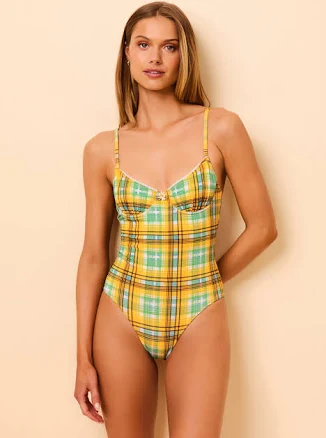
Solid & Striped
Taylor One Piece Seersucker Plaid
- Cotton/cotton-blend seersucker plaid
- We found no PFAS statement from the brand
- Azo dyes and colorfast stability
2 hazards checked on this product. See all of them.
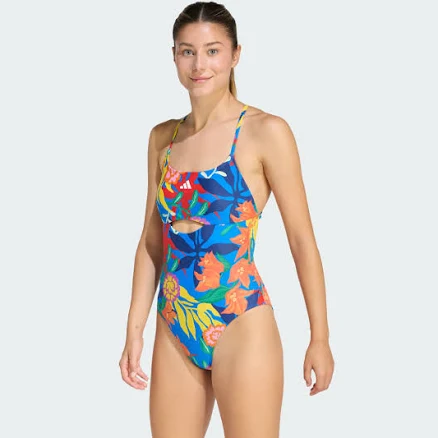
Adidas
Women's Mexicana Florals Tie-Back Swimsuit
- Polyester/nylon swimsuit fabric, likely uncoated or standard finish
- Azo dyes and synthetic colorants
4 hazards checked on this product. See all of them.
More swimwear grades
How we score, every product runs through the same public 0-100 rubric based on materials, coatings, brand disclosure, lab findings, and recalls. See the full methodology → Spotted a mistake? Report an error.