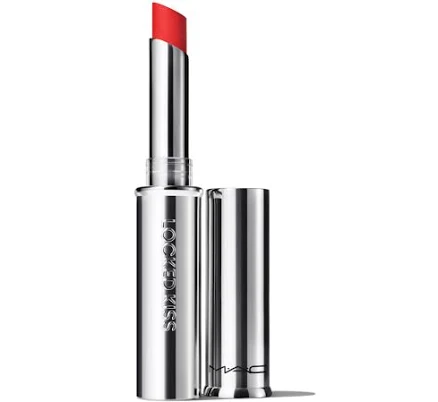
MAC Locked Kiss 24HR Lipstick
Avoid until MAC reveals waterproofing chemistry, since waterproof cosmetics frequently contain fluorinated polymers.
MAC's waterproof long-wear lipstick likely uses Teflon-family coating coatings typical of waterproof cosmetics, but the brand has not publicly disclosed ingredient chemistry or PFAS status. Without third-party testing or PFAS-free verification, actual risk stays unclear.
The better-graded swap
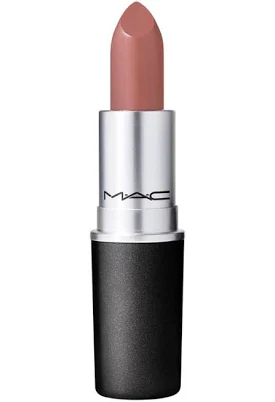
MAC
MAC Lipstick Matte
75/100 safety
Same rubric that flunked this product. The swap earned Excellent.
Still want this one anyway? Check the price on Amazon. We’d swap it.
Material
pigments, waxes, film-forming polymers with waterproof binder
Lab data
No public lab test
You may also be interested in
Top-graded picks in the categories readers replace first, every one scored on the same rubric.

- polypropylene filter housing, carbon/sediment cartridge
- We found no PFAS statement from the brand
- Bacterial growth in spent cartridges
3 hazards checked on this product, all on its full breakdown.

Aquasure
Premier Series 75 GPD Under Sink Reverse Osmosis Water Filtration System
- RO membrane, carbon filters, stainless steel housing
- We found no PFAS statement from the brand
- Bacterial and microbial growth in housing and filters
4 hazards checked on this product, all on its full breakdown.

Avocado
Vegan Mattress
- organic cotton, natural latex, coconut coir, recycled steel coils
- The brand calls it PFAS-free, which we have not verified
- Heavy metals
2 hazards checked on this product, all on its full breakdown.
What MAC Locked Kiss 24HR Lipstick is made of, ingredients and materials
MAC Locked Kiss 24HR is a long-wear liquid lipstick formulated with film-forming polymers, waxes, and pigments held together by a waterproof binder system. The waterproofing mechanism is not publicly detailed by MAC, which is a transparency red flag in a category where PFAS-containing Teflon-family coating are common. The pigment load and colorant source are not disclosed on product labels or MAC's website, meaning heavy metal contamination (especially in synthetic organic dyes and iron oxides) cannot be independently verified.
What’s concerning
Category baseline
The starting point for this type of product, before anything specific to this product is counted.
No PFAS disclosure
No public statement from the brand about PFAS in this product.
Waterproof / stain-resistant treatment
Water-repellent coating treatments have historically used PFAS.
Heavy metals
MAC does not publish pigment sourcing, testing protocols, or heavy metal limits. Synthetic organic dyes and iron oxide pigments in lipsticks can harbor cadmium, lead, or chromium; without third-party testing data on file, contamination risk is unquantified.
Source, FDA ↗Polymer film degradation and micro-particle shedding
Long-wear liquid lipsticks with synthetic film-forming polymers can shed microfragments during wear, eating, or lip movement. Ingestion of these microparticles has not been formally studied in cosmetics, but accumulation risk increases with frequent reapplication.
PFAS
The waterproof formulation is not explained by MAC. Waterproof cosmetics frequently use fluorinated polymers (PFAS) to repel water; MAC's silence on this mechanism, combined with the Poor PFAS grade, suggests Teflon-family coating use is probable but unconfirmed.
Source, ATSDR ↗What’s reassuring
Formaldehyde / VOCs
No public recall or testing data suggests formaldehyde-releasing preservatives or resins in Locked Kiss 24HR. However, MAC does not disclose full resin chemistry, so absence of evidence is not evidence of absence.
Source, ATSDR ↗Fragrance allergens (if present)
Locked Kiss 24HR is not marketed as heavily fragranced; ingredient list does not prominently flag fragrance components. Sensitization risk is lower than for perfumed lip products, but MAC does not disclose fragrance constituents (e.g., limonene, linalool).
How is this PFAS grade calculated?
The brand's record and disclosure
MAC Cosmetics (Estee Lauder subsidiary) does not publicly disclose PFAS use, waterproofing chemistry, or heavy metal testing protocols for its cosmetic lines. The brand has not obtained third-party certifications (such as Leaping Bunny, EWG Verified, or Clean Beauty certifications that would require stricter ingredient disclosure). MAC's approach to chemical transparency is minimal compared to indie and clean beauty competitors who voluntarily list full formulations and testing results.
How it compares in its category
Waterproof liquid lipsticks across the market divide into two groups, brands using disclosed non-fluorinated silicone or acrylic polymers (e.g., Maybelline SuperStay, which lists ingredients openly) and brands with opaque waterproofing chemistry (MAC, Charlotte Tilbury, higher-end brands). MAC sits in the latter, more opaque category. Alternatives like Revlon SuperLustrous or drugstore brands offer similar wear without the PFAS-risk profile, though MAC's pigment quality and shade range are genuinely competitive.
If you buy it
Limit frequency of use on sensitive lips; long-wear polymers can cause dryness and barrier disruption with daily use. Do not overheat the product (store below 25°C) to avoid potential off-gassing of volatile components in the film-forming system. Replace after 12 months to prevent microbial growth and polymer degradation. Most importantly, contact MAC directly requesting full waterproofing chemistry disclosure; consumer demand for transparency is the only pressure point available.
What is not known about PFAS in this product?
- Basis
- Model estimate, 42% confidence, not a lab result
- Lab test
- None on record for this exact product
- Brand statement
- MAC has made a specific claim
Formulations change between production runs, so check the current label. How we grade.
What are the PFAS-free alternatives to MAC Locked Kiss 24HR Lipstick?
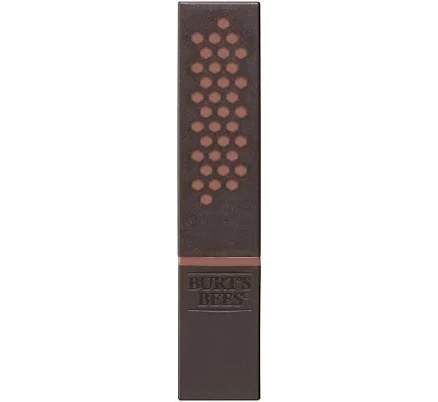
- Wax, oils, pigments, beeswax base
- Fragrance allergens (essential oils, fragrance compounds)
2 hazards checked on this product, all on its full breakdown.
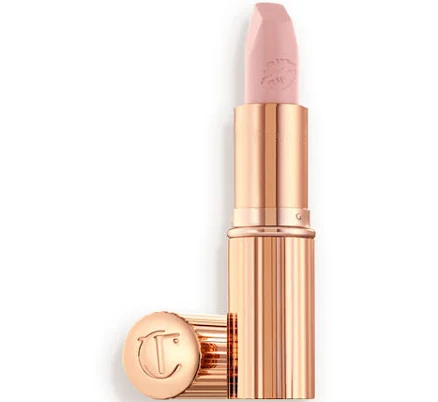
- Wax, oils, pigments, and traditional cosmetic binders
- Lead
3 hazards checked on this product, all on its full breakdown.
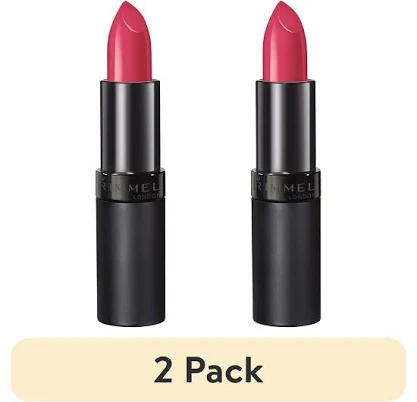
- pigments, waxes, oils in lipstick base
- We found no PFAS statement from the brand
- Formaldehyde / VOCs
3 hazards checked on this product, all on its full breakdown.
More lipstick grades
How we score, every product runs through the same public 0-100 rubric based on materials, coatings, brand disclosure, lab findings, and recalls. See the full methodology → Spotted a mistake? Report an error.