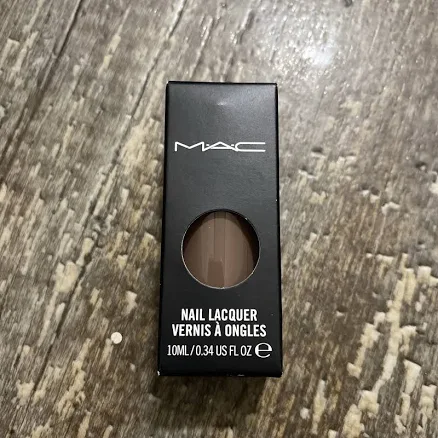
MAC Nail Lacquer Polish Coffee Break (BROWN) Size
Lower concern. Nail polish is unlikely to be a PFAS source versus cosmetic treatments.
MAC nail lacquer is standard solvent-based polish with no known PFAS-dependent chemistry. No public PFAS disclosures or concerns are documented for this product line.
We flunk more products than we pass. This one earned its grade. How we grade
Material
Nail lacquer polish, organic solvent base with pigments
Lab data
No public lab test
You may also be interested in
Top-graded picks in the categories readers replace first, every one scored on the same rubric.

- polypropylene filter housing, carbon/sediment cartridge
- We found no PFAS statement from the brand
- Bacterial growth in spent cartridges
3 hazards checked on this product, all on its full breakdown.

Aquasure
Premier Series 75 GPD Under Sink Reverse Osmosis Water Filtration System
- RO membrane, carbon filters, stainless steel housing
- We found no PFAS statement from the brand
- Bacterial and microbial growth in housing and filters
4 hazards checked on this product, all on its full breakdown.

Avocado
Vegan Mattress
- organic cotton, natural latex, coconut coir, recycled steel coils
- The brand calls it PFAS-free, which we have not verified
- Heavy metals
2 hazards checked on this product, all on its full breakdown.
What MAC Nail Lacquer Polish (BROWN) Size is made of, ingredients and materials
MAC Nail Lacquer is a solvent-based polish containing organic solvents (typically toluene, dibutyl phthalate [DBP], and xylene), film-forming resins, and iron oxide/synthetic pigments for color. The brown shade relies on iron oxide and mica rather than azo dyes or heavy-metal pigments, making it lower-risk than some colors. Solvent evaporation during application and wear is the primary exposure route; solvents disperse quickly into air and do not accumulate on skin or nails after drying.
What’s concerning
Category baseline
The starting point for this type of product, before anything specific to this product is counted.
No PFAS disclosure
No public statement from the brand about PFAS in this product.
Volatile organic compound (VOC) inhalation from solvents
Toluene, xylene, and other solvents in nail lacquer emit during application and drying. Acute exposure causes mild headache, dizziness, or throat irritation; chronic occupational exposure (frequent daily application) poses neurological risk. Brief consumer use with ventilation carries low risk.
Dibutyl phthalate (DBP) dermal and systemic exposure
DBP is a plasticizer common in nail polish formulas. It is readily absorbed through skin or nails during application and wear. MAC does not disclose DBP-free status; standard formulations likely contain <5% DBP. Regulatory concern focuses on developmental/reproductive toxicity; exposure from one nail polish application is below thresholds of concern, but frequent users (weekly or more) approach cu
Contact dermatitis and sensitization from fragrance/resin compounds
Nail lacquers contain fragrance compounds and resin allergens (e.g., tosylamide/formaldehyde resin) that can trigger contact dermatitis on nail folds, cuticles, or fingers in sensitive individuals. Brown iron oxide pigment is low-allergen, but ancillary ingredients carry mild risk. Avoid direct skin contact during application.
Formaldehyde / VOCs
Tosylamide/formaldehyde resin is used in many nail lacquers for hardness; it does not liberate free formaldehyde during normal wear but can off-gas slightly during wet application. Exposure is negligible with ventilation. Not a primary concern for casual users.
Source, ATSDR ↗Nail brittleness and weakening over extended use
Solvent-based polishes can cause drying and brittleness with heavy, continuous use (multiple applications per week without breaks). This is a cosmetic rather than health hazard but affects product longevity. Iron oxide in brown shades does not exacerbate this.
What’s reassuring
Base material not linked to PFAS
The main material recorded for this product is not one associated with PFAS.
How is this PFAS grade calculated?
The brand's record and disclosure
MAC (Estee Lauder subsidiary) does not publish detailed ingredient safety certifications for nail lacquer, nor does it claim free-from status for DBP, toluene, or xylene. No major safety recalls or regulatory actions against MAC nail lacquer are on record. The brand meets baseline US FDA and EU cosmetic regulations but does not voluntarily exceed them (e.g., no 'Big 3 Free' or '5 Free' marketing).
How it compares in its category
MAC Nail Lacquer is mid-tier in category safety profile. Premium brands (e.g., Zoya, Ella+Mila) market DBP/toluene-free formulas; drugstore alternatives (e.g., Wet n Wild) have similar solvent profiles. MAC's brown shade avoids the heavier metal pigment loads sometimes seen in reds or deep purples. Application odor and ventilation needs are typical for solvent lacquers, not notably worse or better.
If you buy it
Apply in a well-ventilated area or near an open window to minimize inhalation of solvent vapors. Allow 2-3 minutes for complete drying before touching skin. Avoid contact with eyes or mouth; if ingestion occurs, contact poison control. Replace the bottle cap tightly after each use to prevent solvent evaporation and formula degradation. Typical shelf life is 12-18 months; discard if formula becomes thick, separated, or odor changes significantly.
What is not known about PFAS in this product?
- Basis
- Model estimate, 72% confidence, not a lab result
- Lab test
- None on record for this exact product
- Brand statement
- MAC has made a specific claim
Formulations change between production runs, so check the current label. How we grade.
More cosmetic color products grades
How we score, every product runs through the same public 0-100 rubric based on materials, coatings, brand disclosure, lab findings, and recalls. See the full methodology → Spotted a mistake? Report an error.