Sally Hansen · Cosmetic Color Products
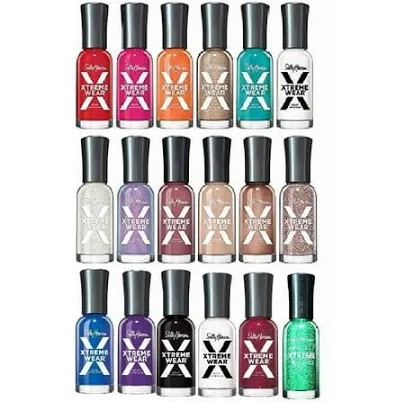
Sally Hansen Xtreme Wear Nail Color Polish
Low-medium concern. Standard formula with no known PFAS risk.
This conventional nail lacquer uses organic polymers without water-repellent or stain-resistant treatments that would require PFAS. No PFAS disclosure from brand.
We flunk more products than we pass. This one earned its grade. How we grade
Material
Nail lacquer, organic solvents and film-formers
Brand disclosure
Brand is silent on PFAS
Lab data
No public lab test
You may also be interested in
Top-graded picks in the categories readers replace first, every one scored on the same rubric.

- polypropylene filter housing, carbon/sediment cartridge
- We found no PFAS statement from the brand
- Bacterial growth in spent cartridges
3 hazards checked on this product, all on its full breakdown.

Aquasure
Premier Series 75 GPD Under Sink Reverse Osmosis Water Filtration System
- RO membrane, carbon filters, stainless steel housing
- We found no PFAS statement from the brand
- Bacterial and microbial growth in housing and filters
4 hazards checked on this product, all on its full breakdown.

Avocado
Vegan Mattress
- organic cotton, natural latex, coconut coir, recycled steel coils
- The brand calls it PFAS-free, which we have not verified
- Heavy metals
2 hazards checked on this product, all on its full breakdown.
What Sally Hansen Xtreme Wear Nail Color Polish is made of, ingredients and materials
Sally Hansen Xtreme Wear is a traditional solvent-based nail lacquer containing film-forming resins (likely nitrocellulose), plasticizers, and volatile organic compounds (VOCs) such as toluene, xylene, and dibutyl phthalate (DBP) or similar esters. These solvents evaporate during application and drying, which is why ventilation matters. The "Xtreme Wear" formulation emphasizes durability rather than toxicity reduction, meaning it prioritizes adhesion and chip resistance over low-solvent reformulation.
What’s concerning
Category baseline
The starting point for this type of product, before anything specific to this product is counted.
No PFAS disclosure
No public statement from the brand about PFAS in this product.
Volatile organic compounds (VOCs) - toluene, xylene, acetone inhalation
Standard nail lacquers rely on these solvents for application and drying. Exposure risk is acute and short-term during application; chronic risk is low for occasional users with adequate ventilation. No established toxicity data specific to this product variant; risk profile is typical for the category.
Dibutyl phthalate (DBP) or phthalate plasticizers
DBP and related esters are common plasticizers in nail polish to improve flexibility. Sally Hansen does not disclose whether this product is DBP-free. Dermal absorption from dried polish is minimal, but inhalation of wet polish vapors and fetal exposure (pregnancy concern) warrant caution. No product-specific testing on record.
Formaldehyde / VOCs
Nail lacquers typically use formaldehyde resins to harden and bind pigment. Sally Hansen Xtreme Wear does not list formaldehyde-free claims. Exposure is primarily inhalation during application; dried polish releases minimal formaldehyde. No recall or safety alert specific to this product.
Source, ATSDR ↗Fragrance allergens and irritation from additives
Sally Hansen Xtreme Wear contains fragrance (unlisted components per standard cosmetic labeling). Some users report respiratory irritation or contact sensitization from fragrance or solvent blends. No widespread adverse-event reports on file; risk is individual and dose-related (application time and ventilation dependent).
What’s reassuring
Base material not linked to PFAS
The main material recorded for this product is not one associated with PFAS.
Lead
No published testing or FDA action against Sally Hansen nail polish for heavy-metal contamination. FDA regulates color additives in cosmetics, but third-party testing is rare for mainstream nail polish. Risk is standard for conventional cosmetics and not elevated by brand history.
Source, ATSDR ↗How is this PFAS grade calculated?
The brand's record and disclosure
Sally Hansen does not publicly disclose full ingredient lists or third-party safety certifications (e.g., no Cradle to Cradle, no toxin-free pledge). The brand has faced no major FDA enforcement actions or product recalls specific to heavy-metal contamination or undisclosed harmful additives. Sally Hansen's parent company (owned by Coty Inc.) is silent on PFAS policy, though no published evidence suggests intentional PFAS addition to nail polish lines. The brand is mainstream, widely available, and operates within standard cosmetic regulatory compliance.
How it compares in its category
Xtreme Wear sits in the conventional nail-lacquer mid-market, higher durability claims than budget polishes, lower price than premium "clean" or non-toxic alternatives (Ella+Mila, Zoya). It is not formulated as a "3-free," "5-free," or "non-toxic" product; standard polishes in this tier retain toluene, DBP, and formaldehyde resin binders. Performance-focused positioning means solvent load is typical for the category, not reduced.
If you buy it
Apply in well-ventilated spaces (open window, exhaust fan, or outdoors) to minimize inhalation of VOCs during and immediately after application. Avoid skin contact with wet polish; wash hands after application. Replace polish every 2 to 3 years or when separation, thickening, or discoloration occurs, as degraded lacquer may leach solvents unevenly. Storage in a cool, sealed container away from heat extends shelf life and reduces VOC off-gassing.
What is not known about PFAS in this product?
- Basis
- Model estimate, 72% confidence, not a lab result
- Lab test
- None on record for this exact product
- Brand statement
- Sally Hansen has made none
Formulations change between production runs, so check the current label. How we grade.
More cosmetic color products grades
How we score, every product runs through the same public 0-100 rubric based on materials, coatings, brand disclosure, lab findings, and recalls. See the full methodology → Spotted a mistake? Report an error.