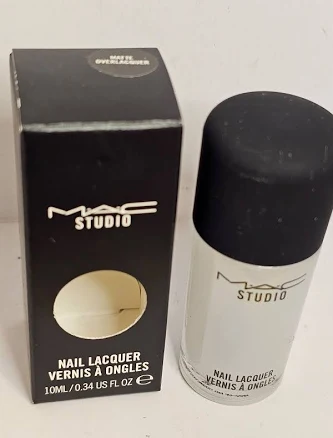
MAC Studio Matte Overlacquer
Lower concern based on material recorded and available information.
This alcohol and resin-based cosmetic spray has no PFAS-associated material on record. The brand has no PFAS statement on record for this product.
We flunk more products than we pass. This one earned its grade. How we grade
Material
liquid cosmetic spray, alcohol and resin based
Lab data
No public lab test
You may also be interested in
Top-graded picks in the categories readers replace first, every one scored on the same rubric.

- polypropylene filter housing, carbon/sediment cartridge
- We found no PFAS statement from the brand
- Bacterial growth in spent cartridges
3 hazards checked on this product, all on its full breakdown.

Aquasure
Premier Series 75 GPD Under Sink Reverse Osmosis Water Filtration System
- RO membrane, carbon filters, stainless steel housing
- We found no PFAS statement from the brand
- Bacterial and microbial growth in housing and filters
4 hazards checked on this product, all on its full breakdown.

Avocado
Vegan Mattress
- organic cotton, natural latex, coconut coir, recycled steel coils
- The brand calls it PFAS-free, which we have not verified
- Heavy metals
2 hazards checked on this product, all on its full breakdown.
What MAC Studio Matte Overlacquer is made of, ingredients and materials
MAC Studio Matte Overlacquer is a liquid spray cosmetic formulated primarily with alcohol (ethanol) and film-forming resins to set makeup and reduce shine. Alcohol acts as a carrier and preservative, while resins create a matte finish by forming a thin, breathable film on skin. This alcohol-resin base is a mature cosmetic chemistry with low systemic toxicity risk when applied topically in small amounts, though inhalation of fine spray particles should be minimized with normal ventilation.
What’s concerning
No PFAS disclosure
No public statement from the brand about PFAS in this product.
Category baseline
The starting point for this type of product, before anything specific to this product is counted.
Alcohol inhalation from spray
Ethanol-based sprays create fine aerosol particles; chronic inhalation in unventilated spaces may cause dizziness or respiratory irritation, though cosmetic-use volumes and typical application frequency are below occupational exposure thresholds.
Fragrance allergens and sensitizers
MAC products typically contain fragrance compounds; no specific allergen declaration is confirmed on public records for this product, but contact dermatitis from fragrance is common in spray cosmetics and varies by individual sensitivity.
Resin irritation on compromised skin
Film-forming resins can accumulate on skin and may irritate eczema, active acne, or barrier-damaged skin; removal requires proper cleansing and may trap bacteria if applied over broken skin.
What’s reassuring
Base material not linked to PFAS
The main material recorded for this product is not one associated with PFAS.
Formaldehyde / VOCs
High-alcohol cosmetics often rely on ethanol as primary preservative rather than formaldehyde-releasing agents; no evidence of formaldehyde or releasers in this product formulation based on available ingredient lists.
Source, ATSDR ↗Heavy metals
This is a clear or translucent setting spray with minimal pigment load; cosmetic-grade colorants in MAC products are regulated and no lead, cadmium, or arsenic recalls are documented for this line.
Source, FDA ↗How is this PFAS grade calculated?
The brand's record and disclosure
MAC (owned by Estee Lauder) provides ingredient lists on product packaging and maintains standard cosmetic compliance with FDA and EU regulations. The brand does not prominently publish PFAS-free certifications or detailed third-party testing disclosures, which is typical for mainstream makeup brands but limits transparency. No major safety recalls or substantiated ingredient controversies are on public record for this specific product line.
How it compares in its category
Alcohol-based setting sprays are industry standard and present lower inhalation concern than silicone-heavy or talc-containing alternatives. MAC's formulation is mid-range for transparency, larger indie and clean beauty brands often disclose more; mass-market competitors (Urban Decay, NYX) have similar disclosure levels. The matte overlacquer category avoids some hazards present in powders (talc) and oils (oxidation concerns), positioning it as a lower-risk setting product choice.
If you buy it
Apply in a well-ventilated area to avoid inhaling fine spray particles; 2-3 short bursts at arm's length is typical application. Replace if the spray nozzle clogs or formulation separates after 2-3 years of storage; alcohol can evaporate in warm conditions. Do not use if you have active skin sensitivity to fragrances or alcohol; patch test on inner wrist first. Keep away from eyes and open flames given the alcohol content.
What is not known about PFAS in this product?
- Basis
- Model estimate, 72% confidence, not a lab result
- Lab test
- None on record for this exact product
- Brand statement
- MAC has made a specific claim
Formulations change between production runs, so check the current label. How we grade.
More cosmetic color products grades
How we score, every product runs through the same public 0-100 rubric based on materials, coatings, brand disclosure, lab findings, and recalls. See the full methodology → Spotted a mistake? Report an error.