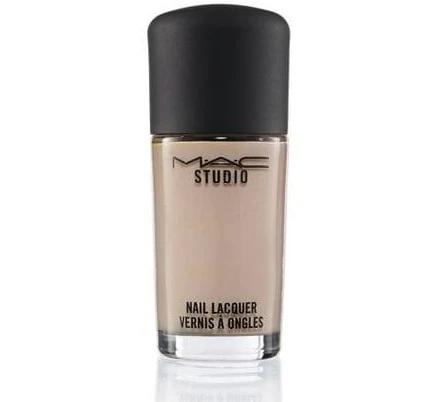
Mac Nail Polish, Quiet Time, Beige
Lower concern. Nail polish rarely contains PFAS intentionally.
MAC does not disclose PFAS ingredients or testing for this polish. Standard nail lacquers typically use film-forming resins without intentional fluorochemicals.
We flunk more products than we pass. This one earned its grade. How we grade
Material
nail polish, organic pigments and resins
Lab data
No public lab test
You may also be interested in
Top-graded picks in the categories readers replace first, every one scored on the same rubric.

- polypropylene filter housing, carbon/sediment cartridge
- We found no PFAS statement from the brand
- Bacterial growth in spent cartridges
3 hazards checked on this product, all on its full breakdown.

Aquasure
Premier Series 75 GPD Under Sink Reverse Osmosis Water Filtration System
- RO membrane, carbon filters, stainless steel housing
- We found no PFAS statement from the brand
- Bacterial and microbial growth in housing and filters
4 hazards checked on this product, all on its full breakdown.

Avocado
Vegan Mattress
- organic cotton, natural latex, coconut coir, recycled steel coils
- The brand calls it PFAS-free, which we have not verified
- Heavy metals
2 hazards checked on this product, all on its full breakdown.
What Mac Nail Polish, Quiet Time, Beige is made of, ingredients and materials
MAC Quiet Time is a conventional nail lacquer based on nitrocellulose film-formers, organic pigments (iron oxides and synthetic colorants), and organic solvent carriers typical of professional nail polish. The beige shade uses iron oxide earth pigments, which are considered low-hazard colorants in cosmetic products. Unlike some nail polishes, MAC does not use heavy metals like lead or cadmium in pigmentation, and nitrocellulose-based formulas do not contain Teflon-type coating (Teflon), eliminating fume inhalation risks associated with that specific coating technology.
What’s concerning
Category baseline
The starting point for this type of product, before anything specific to this product is counted.
No PFAS disclosure
No public statement from the brand about PFAS in this product.
Volatile organic compounds (VOCs) and solvent inhalation
Nail polish lacquers contain toluene, xylene, and other organic solvents that evaporate during application and drying. Exposure is generally short-term and low-dose in typical home use with ventilation, but poorly ventilated professional salon environments show measurable inhalation risk over years of occupational exposure. MAC does not disclose solvent concentration or reformulation status relati
Dibutyl phthalate (DBP) and plasticizers
Many conventional nail polishes historically used DBP as a plasticizer to improve flexibility and shine. MAC has not publicly committed to eliminating DBP or published a reformulation timeline. While regulatory limits in the EU and some US state markets restrict DBP concentration, the absence of a public statement means status is unconfirmed for this specific product.
Fragrance allergens and irritation
Beige shades often contain fragrance additives and coalescent solvents that may trigger contact dermatitis or respiratory irritation in sensitive individuals. MAC does not provide fragrance ingredient disclosure on product labels, limiting ability to pre-screen for known allergens.
Skin and nail bed absorption during application
Wet nail polish can make contact with cuticles, lateral nail folds, and skin during application. Solvent penetration through these thinner-skinned areas is plausible over repeated use, though absorption rates and systemic toxicity at consumer exposure levels are not well quantified in public safety literature.
What’s reassuring
Base material not linked to PFAS
The main material recorded for this product is not one associated with PFAS.
Formaldehyde / VOCs
No published recalls, warnings, or regulatory findings associate MAC nail polish with formaldehyde contamination. Nail lacquers do not typically use formaldehyde resins; this hazard is more relevant to nail hardeners and some base coats, which are not this product.
Source, ATSDR ↗How is this PFAS grade calculated?
The brand's record and disclosure
MAC Cosmetics (owned by Estee Lauder) does not publish a detailed chemical disclosure list for individual nail polishes, nor does it market PFAS-free or toxin-free claims for this line. The brand has no documented recalls or regulatory warnings specific to nail polish products in the United States or European markets. MAC is not formally certified by third-party nail polish safety schemes (e.g., "3-Free" or "5-Free" badges), though absence of such labeling does not indicate noncompliance with safety limits.
How it compares in its category
Standard conventional nail polish formulations, including MAC's, are generally less regulated than skincare or makeup applied to larger surface areas because nail application is localized and exposure is brief. Compared to indie or smaller-brand polishes, MAC benefits from Estee Lauder's manufacturing standards and regulatory compliance infrastructure. Many competitors market "toxin-free" or "clean" versions; MAC does not position itself in that segment and uses traditional solvent chemistry (toluene, xylene, dibutyl phthalate variants likely present in older formulations, though reformulation practices are not publicly disclosed).
If you buy it
Apply in a well-ventilated space or near an open window to minimize inhalation of volatile organic compounds released during application and drying. Avoid prolonged skin contact with wet polish and use a cuticle bar to prevent polish from contacting cuticles, where thinner skin may absorb solvents more readily. Remove polish with acetone-based remover every 1-2 weeks to prevent nail brittleness and allow respiration of the nail bed. Do not use on children or during pregnancy without consulting a healthcare provider regarding solvent exposure thresholds.
What is not known about PFAS in this product?
- Basis
- Model estimate, 72% confidence, not a lab result
- Lab test
- None on record for this exact product
- Brand statement
- MAC has made a specific claim
Formulations change between production runs, so check the current label. How we grade.
More cosmetic color products grades
How we score, every product runs through the same public 0-100 rubric based on materials, coatings, brand disclosure, lab findings, and recalls. See the full methodology → Spotted a mistake? Report an error.