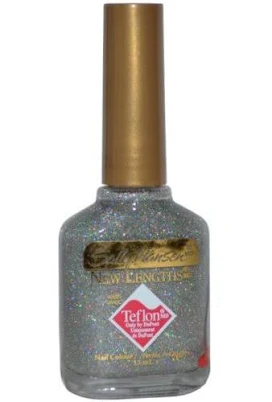
Sally Hansen · Cosmetic Color Products
Sally Hansen New Lengths Nail Color Secrets
Low-medium concern. No known PFAS use in typical formulations.
Nail polishes rarely contain PFAS by design. Sally Hansen doesn't disclose PFAS testing or seek third-party verification.
We flunk more products than we pass. This one earned its grade. How we grade
Material
nitrocellulose, plasticizers, resins, pigments
Brand disclosure
Brand is silent on PFAS
Lab data
No public lab test
You may also be interested in
Top-graded picks in the categories readers replace first, every one scored on the same rubric.

- polypropylene filter housing, carbon/sediment cartridge
- We found no PFAS statement from the brand
- Bacterial growth in spent cartridges
3 hazards checked on this product, all on its full breakdown.

Aquasure
Premier Series 75 GPD Under Sink Reverse Osmosis Water Filtration System
- RO membrane, carbon filters, stainless steel housing
- We found no PFAS statement from the brand
- Bacterial and microbial growth in housing and filters
4 hazards checked on this product, all on its full breakdown.

Avocado
Vegan Mattress
- organic cotton, natural latex, coconut coir, recycled steel coils
- The brand calls it PFAS-free, which we have not verified
- Heavy metals
2 hazards checked on this product, all on its full breakdown.
What Sally Hansen New Lengths Color Secrets is made of, ingredients and materials
Sally Hansen New Lengths uses nitrocellulose (film former), plasticizers, and synthetic resins typical of conventional nail lacquers. This formulation is a standard solvent-based polish, meaning it contains volatile organic compounds (VOCs) that evaporate during application and drying. The pigments and resins are selected for color and durability, but the product relies on chemical solvents rather than water or specialty low-toxicity bases.
What’s concerning
Category baseline
The starting point for this type of product, before anything specific to this product is counted.
No PFAS disclosure
No public statement from the brand about PFAS in this product.
Volatile Organic Compounds (VOCs) and inhalation risk
Solvent-based nail polish inherently releases toluene, xylene, and acetone vapors during application and drying. Sally Hansen New Lengths formulation does not specify VOC reduction or solvent substitution; exposure risk is standard for this product category and increases with poor ventilation.
Phthalates
Conventional nail polishes often contain phthalates (typically dibutyl phthalate, DBP) as plasticizers to prevent brittleness. Sally Hansen does not explicitly declare phthalate-free status for New Lengths. Dermal exposure from polish wear is minimal, but inhalation of volatilized residues and ingestion via nail-to-mouth contact are minor routes.
Source, ATSDR ↗Formaldehyde / VOCs
Some conventional nail polish resins contain formaldehyde or formaldehyde-releasing preservatives. Sally Hansen New Lengths does not claim formaldehyde-free formulation. Exposure is primarily through inhalation during application; systemic absorption from dried polish on the nail is negligible.
Source, ATSDR ↗Contact sensitization from fragrance or colorants
Nail polish can trigger allergic contact dermatitis from azo dyes, fragrance compounds, or synthetic colorants in sensitive individuals. Sally Hansen New Lengths does not disclose fragrance ingredients or azo dye status. Risk is low for most users but should be monitored if nail bed irritation or nail discoloration develops after application.
What’s reassuring
Base material not linked to PFAS
The main material recorded for this product is not one associated with PFAS.
Heavy metals
No recalls or testing results for Sally Hansen New Lengths specifically document lead, cadmium, or chromium in pigments. U.S. cosmetic regulations restrict these elements, but enforcement and brand-level testing transparency vary.
Source, FDA ↗How is this PFAS grade calculated?
The brand's record and disclosure
Sally Hansen has not published detailed ingredient disclosures or independent safety certifications for this line. The brand has faced no major recall or controversy specific to New Lengths, and it complies with FDA cosmetic regulations. Sally Hansen does not market this product as free of traditional solvents, phthalates, or formaldehyde releasers, which remain permitted in U.S. nail polish within regulatory limits.
How it compares in its category
This is a conventional nail polish positioned in the mass-market segment, comparable to Essie, OPI, and store brands in formulation approach. It does not claim "3-free," "5-free," or toxin-free positioning that some competitors now advertise. For consumers prioritizing lower chemical exposure, water-based or certified non-toxic alternatives (Ella+Mila, Zoya, Butter London) exist but cost more and may apply or wear differently.
If you buy it
Apply in well-ventilated spaces to minimize VOC inhalation during and immediately after application. Avoid contact with skin and eyes; remove with acetone-based remover if available (gentler than non-acetone removers on repeated use). Replace the bottle cap tightly after each use to prevent solvent evaporation and thickening. Do not apply to young children or pregnant individuals without consulting a healthcare provider, as routine exposure data for these groups is limited.
What is not known about PFAS in this product?
- Basis
- Model estimate, 72% confidence, not a lab result
- Lab test
- None on record for this exact product
- Brand statement
- Sally Hansen has made none
Formulations change between production runs, so check the current label. How we grade.
More cosmetic color products grades
How we score, every product runs through the same public 0-100 rubric based on materials, coatings, brand disclosure, lab findings, and recalls. See the full methodology → Spotted a mistake? Report an error.