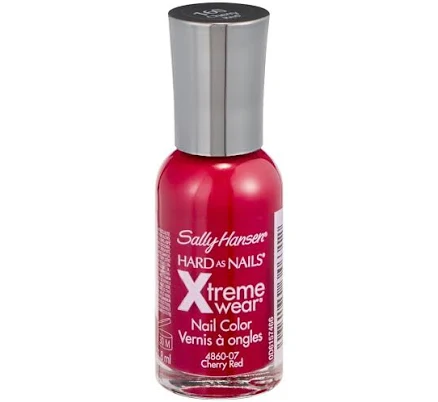
Sally Hansen · Cosmetic Color Products
Sally Hansen Xtreme Wear Nail Color
Low-medium concern. No known PFAS-triggering ingredients present.
Nail polish formulations using nitrocellulose and organic resins typically avoid PFAS. Sally Hansen hasn't disclosed PFAS content, but the category itself carries minimal inherent risk.
We flunk more products than we pass. This one earned its grade. How we grade
Material
Nitrocellulose, plasticizers, resins, pigments
Brand disclosure
Brand is silent on PFAS
Lab data
No public lab test
You may also be interested in
Top-graded picks in the categories readers replace first, every one scored on the same rubric.

- polypropylene filter housing, carbon/sediment cartridge
- We found no PFAS statement from the brand
- Bacterial growth in spent cartridges
3 hazards checked on this product, all on its full breakdown.

Aquasure
Premier Series 75 GPD Under Sink Reverse Osmosis Water Filtration System
- RO membrane, carbon filters, stainless steel housing
- We found no PFAS statement from the brand
- Bacterial and microbial growth in housing and filters
4 hazards checked on this product, all on its full breakdown.

Avocado
Vegan Mattress
- organic cotton, natural latex, coconut coir, recycled steel coils
- The brand calls it PFAS-free, which we have not verified
- Heavy metals
2 hazards checked on this product, all on its full breakdown.
What Sally Hansen Xtreme Wear Nail Color is made of, ingredients and materials
Sally Hansen Xtreme Wear is a nitrocellulose-based nail lacquer, meaning it contains a film-forming polymer derived from cellulose that hardens when solvents evaporate. The formula includes plasticizers (typically dibutyl phthalate or alternatives) to add flexibility and resins for adhesion and gloss. Pigments provide color. Nitrocellulose lacquers are industry standard for nail polish and have been in use for decades without widespread toxicity incidents when used as directed.
What’s concerning
Category baseline
The starting point for this type of product, before anything specific to this product is counted.
No PFAS disclosure
No public statement from the brand about PFAS in this product.
Phthalate plasticizers
Sally Hansen has not publicly confirmed the type of plasticizer in Xtreme Wear (dibutyl phthalate, triphenyl phosphate, or alternative). Phthalates in nail polish are a known concern for reproductive and developmental health, but exposure from consumer nail polish use is considered low-risk by major health agencies due to infrequent and brief contact. Nail technicians face greater cumulative risk.
Solvent inhalation (toluene, xylene, acetone)
Nitrocellulose lacquers release volatile organic compounds during application and drying. Acute inhalation can cause dizziness, headache, and respiratory irritation. Chronic occupational exposure in salons is linked to neurological effects; consumer use is typically low-risk but poorly ventilated bathrooms increase risk.
Skin sensitization from resins or fragrance
Nail polish resins (tosylamide, formaldehyde resin) and added fragrance compounds can trigger contact dermatitis or allergic reactions in sensitive individuals. Sally Hansen does not disclose specific resin or fragrance ingredients on packaging, making individual allergen assessment difficult.
What’s reassuring
Base material not linked to PFAS
The main material recorded for this product is not one associated with PFAS.
Heavy metals
No recalls or testing data indicate lead, cadmium, or chromium contamination in Sally Hansen Xtreme Wear. Pigments are regulated under cosmetic color additives, though oversight is not as strict as drugs. Independent lab testing would be required to confirm absence.
Source, FDA ↗Formaldehyde / VOCs
Sally Hansen's current formulas are reported as formaldehyde-free or formaldehyde-reduced, though this is not independently verified on the Xtreme Wear label. Formaldehyde was a historical concern in nail polish; modern reformulation has largely addressed this in mainstream brands.
Source, ATSDR ↗How is this PFAS grade calculated?
The brand's record and disclosure
Sally Hansen, owned by Coty Inc., does not publicly disclose detailed ingredient sourcing or third-party testing for this product line. The brand has not faced major recalls or safety actions specific to Xtreme Wear. Sally Hansen has faced historical scrutiny over 'toxic trio' ingredients (toluene, dibutyl phthalate, formaldehyde) in earlier formulas, but modern versions typically exclude formaldehyde or list it as 'free' or 'reduced.' Transparency on plasticizer selection and heavy metal testing remains limited.
How it compares in its category
Xtreme Wear sits in the mainstream mass-market tier alongside OPI, China Glaze, and Essie. It offers longer wear claims (14+ days) and moderate price. Products marketed as '3-free,' '5-free,' or '7-free' (excluding toluene, DBP, formaldehyde, and others) are available at similar price points if reduced chemical exposure is a priority. Xtreme Wear does not carry such certifications. No independent testing data distinguishes its safety profile from competitors.
If you buy it
Use in well-ventilated spaces to minimize inhalation of volatile solvents; open a window or wear a mask if sensitivity is a concern. Apply thin coats to reduce skin contact and exposure time. Store in a cool, dry place away from heat; nail polish containers can degrade or leak if exposed to high temperatures. Replace if the formula separates, thickens, or smells unusually rancid, which may indicate solvent loss or microbial growth. Pregnancy or occupational nail technicians should consider 'free' alternatives given cumulative exposure.
What is not known about PFAS in this product?
- Basis
- Model estimate, 72% confidence, not a lab result
- Lab test
- None on record for this exact product
- Brand statement
- Sally Hansen has made none
Formulations change between production runs, so check the current label. How we grade.
More cosmetic color products grades
How we score, every product runs through the same public 0-100 rubric based on materials, coatings, brand disclosure, lab findings, and recalls. See the full methodology → Spotted a mistake? Report an error.