Sally Hansen · Cosmetic Color Products
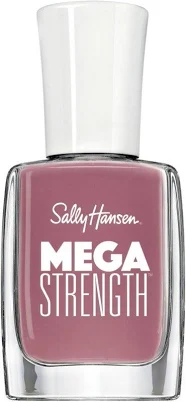
Mega Strength Nail Sally Hansen
Lower concern. Material recorded is not linked to PFAS.
Sally Hansen has no PFAS statement on record for this nail polish. The material as recorded, nail polish with organic solvents and resins, is not a type associated with PFAS concern. No lab testing or certifications are available.
We flunk more products than we pass. This one earned its grade. How we grade
Material
nail polish, organic solvents and resins
Brand disclosure
Brand is silent on PFAS
Lab data
No public lab test
You may also be interested in
Top-graded picks in the categories readers replace first, every one scored on the same rubric.

- polypropylene filter housing, carbon/sediment cartridge
- We found no PFAS statement from the brand
- Bacterial growth in spent cartridges
3 hazards checked on this product, all on its full breakdown.

Aquasure
Premier Series 75 GPD Under Sink Reverse Osmosis Water Filtration System
- RO membrane, carbon filters, stainless steel housing
- We found no PFAS statement from the brand
- Bacterial and microbial growth in housing and filters
4 hazards checked on this product, all on its full breakdown.

Avocado
Vegan Mattress
- organic cotton, natural latex, coconut coir, recycled steel coils
- The brand calls it PFAS-free, which we have not verified
- Heavy metals
2 hazards checked on this product, all on its full breakdown.
What Mega Strength Nail Sally Hansen is made of, ingredients and materials
Nail polish is a suspension of film-forming resins (typically nitrocellulose or acrylic), plasticizers, and organic solvents (toluene, xylene, acetone, ethyl acetate). Sally Hansen's Mega Strength line adds colorants and UV absorbers for durability. These solvents evaporate during application and drying; inhalation of concentrated fumes is the primary exposure route, though dermal contact with wet polish poses minimal systemic risk since the coating hardens quickly on skin.
What’s concerning
Category baseline
The starting point for this type of product, before anything specific to this product is counted.
No PFAS disclosure
No public statement from the brand about PFAS in this product.
Volatile organic solvent inhalation (toluene, xylene, acetone)
Sally Hansen does not disclose solvent identity for Mega Strength. Inhalation of typical nail polish solvents during application is the main acute exposure; short-term effects (dizziness, headache) are reversible with ventilation. Chronic exposure risk is low for occasional users but relevant for frequent appliers in closed spaces.
Formaldehyde / VOCs
Nitrocellulose-based polishes and some hardening resins can contain or release trace formaldehyde, though levels in cured coatings are negligible. Sally Hansen does not explicitly certify formaldehyde-free status. This hazard is relevant during application; no established risk once polish is dry on nails.
Source, ATSDR ↗Dibutyl phthalate (DBP) or other phthalate plasticizers
Many conventional nail polishes contain DBP as a plasticizer to prevent cracking. Sally Hansen's ingredient disclosure does not confirm or exclude phthalates. Systemic absorption through intact nail polish is minimal; risk is primarily inhalation or ingestion if product contacts food or mouth.
Sensitization or allergic contact dermatitis from resins or fragrance
Nail polish can trigger allergic reactions to tosylamide-formaldehyde resin, fragrance components, or colorants in susceptible individuals. Sally Hansen does not disclose fragrance composition. Risk is dermatological (nail bed, cuticle contact) rather than systemic for most users.
What’s reassuring
Base material not linked to PFAS
The main material recorded for this product is not one associated with PFAS.
Lead
No specific recalls or published findings of heavy metals in Sally Hansen Mega Strength. Conventional nail polish pigments (iron oxides, synthetic dyes) are generally regulated, but third-party testing data for this brand is not publicly available.
Source, ATSDR ↗How is this PFAS grade calculated?
The brand's record and disclosure
Sally Hansen does not publicly disclose detailed ingredient lists or third-party safety certifications for most Mega Strength formulations. The brand has faced no major recalls or published safety violations specific to this line. Sally Hansen's parent company (Coty Inc.) does not advertise PFAS-free status, but nail polish as a category rarely contains intentional PFAS. The company offers limited transparency on solvent composition or formaldehyde content relative to competitors like Zoya or Ella+Mila.
How it compares in its category
Mega Strength is a conventional, solvent-based polish positioned for durability rather than clean-beauty credentials. It is typical of mass-market offerings; toxin-free alternatives (e.g., Zoya, Butter London, Ella+Mila) explicitly exclude toluene, dibutyl phthalate, and formaldehyde, while Mega Strength ingredient lists do not guarantee this. For standard nail polish, Mega Strength carries no unusual safety disadvantage, but it lacks the disclosure transparency of premium or indie brands.
If you buy it
Apply in a well-ventilated space or near an open window to minimize solvent vapor inhalation. Avoid prolonged contact with wet polish on skin; once dry, the cured coating poses no hazard. Store in a cool, dark place to prevent solvent evaporation and resin separation. Replace polish every 1-2 years if it thickens or separates, as degraded formulations may cause application issues. Wash hands after application to remove any residue.
What is not known about PFAS in this product?
- Basis
- Model estimate, 70% confidence, not a lab result
- Lab test
- None on record for this exact product
- Brand statement
- Sally Hansen has made none
Formulations change between production runs, so check the current label. How we grade.
More cosmetic color products grades
How we score, every product runs through the same public 0-100 rubric based on materials, coatings, brand disclosure, lab findings, and recalls. See the full methodology → Spotted a mistake? Report an error.