Marmot · Camping Tents & Tarps
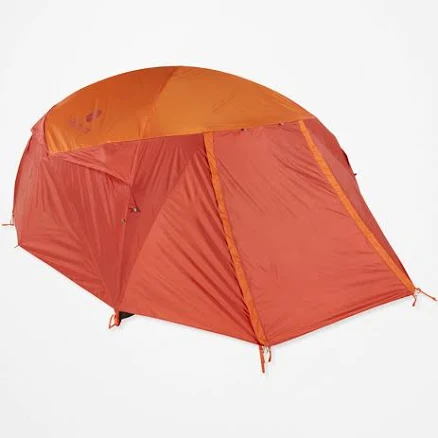
Marmot Halo 4-Person Tent in Tangelo/Rusted Orange
Avoid until Marmot discloses its water-repellent coating treatment; tents commonly use PFAS-based coatings.
Nylon/polyester fabric with a water-repellent coating typical of outdoor tents. Marmot provides no disclosure of whether it contains PFAS or fluorochemical alternatives.
Still want this one anyway? Check the price on Amazon. We’d swap it.
Material
Nylon/polyester fabric with water-repellent coating (water-repellent coating) coating
Lab data
No public lab test
What Marmot Halo 4-Person Tent is made of, ingredients and materials
This tent uses nylon and polyester fabrics treated with a water-repellent coating (water-repellent coating) coating to shed rain. water-repellent coating coatings are essential for tent function but historically rely on PFAS-based fluorochemicals that resist water and dirt. The specific chemistry of Marmot's water-repellent coating treatment is not publicly disclosed. Over time, repeated washing and UV exposure degrade water-repellent coating coatings, causing them to shed microparticles that may contain residual fluorochemicals.
What’s concerning
Category baseline
The starting point for this type of product, before anything specific to this product is counted.
No PFAS disclosure
No public statement from the brand about PFAS in this product.
Waterproof / stain-resistant treatment
Water-repellent coating treatments have historically used PFAS.
PFAS
Nylon and polyester tent water-repellent coating treatments commonly use Teflon-type coating or polyfluorinated polyurethane compounds. Marmot does not disclose treatment type; industry standard assumes fluorinated water-repellent coating. Degradation and washing can release PFAS into soil and water.
Source, ATSDR ↗Microplastic shedding from fabric and coating
Nylon and polyester fibers can shed microplastics during use, packing, and washing. water-repellent coating degradation adds fluorinated microparticles. Wear, abrasion, and repeated pitching accelerate shedding. Occupants inhale or ingest particles indirectly through dust.
Volatile organic compounds (VOC) off-gassing during storage or transport
New synthetic tents often release mild VOC odors from dyes, adhesives, and water-repellent coating. Typically fades within days to weeks if tent is aired out. Confined spaces (car trunks, closets) may concentrate odors. Not a chronic health risk but a usage nuisance.
What’s reassuring
Formaldehyde / VOCs
No recalls or public complaints on record for formaldehyde or azo dye hazards in Marmot Halo tents. Nylon and polyester are lower-risk textiles than untreated cotton. Standard QC should prevent illegal levels, but independent testing is not disclosed.
Source, ATSDR ↗Aluminum poles and hardware corrosion or coating failure
Marmot uses anodized or coated aluminum poles; no known degradation hazards. Rust and corrosion risk is low with standard care. Not a material chemistry hazard specific to this product.
The full breakdown
The brand's record and disclosure
Marmot does not publicly disclose the fluorochemical status of their tent water-repellent coating treatments on product labels or safety documentation. The brand has not signed onto PFAS-phase-out commitments like the Bluesign system or published a PFAS elimination roadmap. Industry peer brands (e.g., some REI-house lines) have begun switching to fluorine-free water-repellent coating or labeling PFAS-free treatments; Marmot's silence suggests continued use of conventional fluorinated coatings.
How it compares in its category
Most recreational tents in the 4-person segment use fluorinated water-repellent coating; this Marmot is typical, not exceptional. Some competitors (e.g., Sierra Designs, Nemo, higher-end REI Co-op models) now advertise PFAS-free water-repellent coating options or are transitioning. Marmot's lack of transparency puts it in the lower-disclosure tier of the market. Price and weather performance are solid; chemical hazard awareness is not a brand strength.
If you buy it
Minimize skin contact during setup and breakdown by wearing gloves if the tent is wet or recently treated. Avoid washing the tent unless truly soiled; water and detergent can mobilize water-repellent coating chemicals. Store the tent dry in a cool place away from direct sunlight to slow UV degradation of the coating. If the water-repellent coating fails visibly (water pooling instead of beading), retirement presents lower concern than re-treatment with unknown products. Request water-repellent coating treatment details from Marmot before purchase if fluorochemical exposure is a personal health concern.
What we don’t know
- Basis
- Model estimate, 45% confidence, not a lab result
- Lab test
- None on record for this exact product
- Brand statement
- Marmot has made a specific claim
Formulations change between production runs, so check the current label. How we grade.
More camping tents & tarps grades
How we score, every product runs through the same public 0-100 rubric based on materials, coatings, brand disclosure, lab findings, and recalls. See the full methodology → Spotted a mistake? Report an error.