Marmot · Camping Tents & Tarps
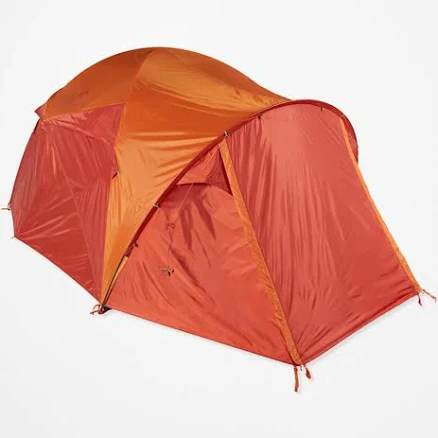
Marmot Halo 6P Tent
High-performance tent with standard water-repellent coating; PFAS risk unresolved without disclosure.
The Halo 6P uses water-repellent coating coatings typical of modern tents, but Marmot does not disclose whether PFAS-based or PFAS-free chemistries are used. No third-party testing or PFAS certification is readily available.
Still want this one anyway? Check the price on Amazon. We’d swap it.
Material
Polyester fabric with water-repellent coating (water-repellent coating) coating
Lab data
No public lab test
What Marmot Halo 6P Tent is made of, ingredients and materials
The Halo 6P uses polyester fabric, a petroleum-derived synthetic that is chemically stable under normal conditions. The critical component is the water-repellent coating (water-repellent coating) coating applied to the polyester. water-repellent coating coatings are designed to shed water while allowing vapor transmission; most high-performance outdoor coatings historically relied on PFAS "forever chemicals" (PFAS), though some manufacturers have begun transitioning to fluorine-free alternatives. Marmot has not publicly disclosed whether this model uses fluorinated or fluorine-free water-repellent coating, leaving the specific chemical identity and associated exposures unclear.
What’s concerning
Category baseline
The starting point for this type of product, before anything specific to this product is counted.
No PFAS disclosure
No public statement from the brand about PFAS in this product.
Waterproof / stain-resistant treatment
Water-repellent coating treatments have historically used PFAS.
water-repellent coating particulate and volatilization
The chemical identity of the water-repellent coating is undisclosed; if fluorinated (PFAS), microparticles shed during wear and storage could contribute to inhalation or dermal contact. No field studies on this tent model exist; the hazard reflects uncertainty tied to lack of transparency rather than demonstrated risk.
Polyester fiber shedding and microfiber release
Polyester fabric naturally sheds microscopic fibers during use, setup, and cleaning. While not unique to this product, microfiber accumulation from synthetic camping gear is an emerging environmental concern with undefined human health impacts from chronic low-level inhalation.
Coating degradation and chemical leachate into water or soil
As the water-repellent coating ages and breaks down (especially under UV exposure and physical wear), residual chemicals may leach into groundwater or soil near camp sites. The chemical composition being unknown, the environmental and secondary human exposure pathways cannot be fully assessed.
What’s reassuring
Formaldehyde / VOCs
No public record of formaldehyde-based finishing resins in Marmot tent polyester. Polyester does not inherently require formaldehyde; it is more common in cotton blends. Absence of disclosure does not guarantee absence, but no industry standard or reported issue ties Marmot tents to formaldehyde contamination.
Source, ATSDR ↗Heavy metals
Polyester dyes are generally stable and non-migratory; no specific recalls or industry warnings exist for Marmot tent dyes. Azo dye concerns are higher in natural fibers and low-cost fast-fashion textiles. No reason to assume this product carries elevated risk on this hazard class.
Source, FDA ↗The full breakdown
The brand's record and disclosure
Marmot (owned by the Swire Group) has not issued public statements specifically addressing PFAS use in their tent lines or broader commitment to phasing out fluorinated water-repellent coating. The company does not list third-party certifications such as bluesign or OEKO-TEX relevant to hazardous chemical disclosure. Without direct communication from Marmot about the Halo 6P's water-repellent coating chemistry, consumers cannot independently verify the presence or absence of PFAS in this product. This silence on a known industry-wide issue represents a gap in transparency, not confirmation of hazard, but limits informed choice.
How it compares in its category
Most mainstream camping tents in the 6-person, 4-season category use polyester with fluorinated water-repellent coating coatings as a cost-effective standard. Some competitors, notably Black Diamond and certain Nemo designs, have begun disclosing fluorine-free water-repellent coating alternatives, though at higher price points. The Halo 6P sits in the mid-range performance segment where PFAS water-repellent coating is still common industry practice. Buyers prioritizing chemical transparency may find greater reassurance in brands with explicit non-fluorinated claims or third-party certifications, though such options are limited in the budget tent space.
If you buy it
Avoid prolonged contact with bare skin during setup and storage; polyester and water-repellent coating coatings do not pose acute toxicity via touch, but minimizing exposure to coating particles is prudent given PFAS uncertainty. Use the tent in well-ventilated outdoor settings; indoor storage or use in poorly ventilated spaces increases inhalation of any volatile compounds from the coating. Periodically inspect the fabric for peeling, cracking, or degradation of the water-repellent coating layer; if visible degradation occurs, the coating integrity is compromised and replacement becomes practical rather than a safety trigger. Clean with cool water and mild soap, avoiding solvents or high heat (e.g., machine washing or dryer) that could degrade the coating prematurely and create fine particulate exposure.
What we don’t know
- Basis
- Model estimate, 45% confidence, not a lab result
- Lab test
- None on record for this exact product
- Brand statement
- Marmot has made a specific claim
Formulations change between production runs, so check the current label. How we grade.
More camping tents & tarps grades
How we score, every product runs through the same public 0-100 rubric based on materials, coatings, brand disclosure, lab findings, and recalls. See the full methodology → Spotted a mistake? Report an error.