Marmot · Camping Tents & Tarps
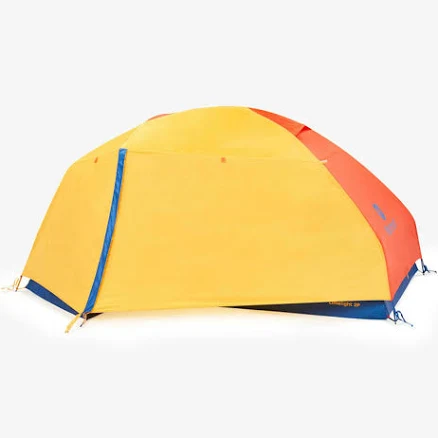
Marmot Limelight 2P Tent
Popular tent brand with no public PFAS transparency; waterproof coating likely contains PFAS.
Ripstop nylon with a water-repellent coating treatment where PFAS-based chemicals have historically been common. Marmot does not disclose whether their coatings are PFAS-free or their chemistry.
Still want this one anyway? Check the price on Amazon. We’d swap it.
Material
Ripstop nylon with water-repellent coating (water-repellent coating) coating
Lab data
No public lab test
What Marmot Limelight 2P Tent is made of, ingredients and materials
The Limelight 2P uses ripstop nylon as its primary fabric, a tightly woven synthetic material chosen for tear resistance and light weight. The tent includes a water-repellent coating (water-repellent coating) coating applied to shed rain; this coating is where PFAS chemicals are typically found in modern tents, though Marmot has not publicly disclosed whether this product uses PFAS-based or PFAS-free formulations. Ripstop nylon itself is stable and does not leach hazardous substances under normal use. The floor is typically a separate polyethylene or nylon layer, also chemically stable at the temperatures and conditions encountered in a tent.
What’s concerning
Category baseline
The starting point for this type of product, before anything specific to this product is counted.
No PFAS disclosure
No public statement from the brand about PFAS in this product.
Waterproof / stain-resistant treatment
Water-repellent coating treatments have historically used PFAS.
PFAS
Marmot has not disclosed whether the water-repellent coating is PFAS-based or PFAS-free. water-repellent coating alternatives not linked to PFAS exist but are less common in this price range. No off-gassing or leaching into food is expected from a tent.
Source, ATSDR ↗Mold and bacterial growth from moisture retention
If stored wet or in humid conditions, nylon can develop mold colonies, which release spores and volatile organic compounds. This is a maintenance risk, not an inherent product hazard, and is preventable with proper drying and storage.
What’s reassuring
Ripstop nylon degradation and fragmentation
Ripstop nylon is mechanically stable and does not shed microplastics under normal camping use. Degradation over years or from UV exposure can cause small fabric tears, but these are repair events, not chemical hazards.
Seam adhesive and glue off-gassing
Tent seams are typically sealed with hot-melt adhesives or polyurethane-based sealants. No off-gassing incidents or formaldehyde concerns are documented for the Limelight 2P or similar nylon tents in this category.
The full breakdown
The brand's record and disclosure
Marmot does not maintain public transparency on PFAS use in its tent products, despite growing industry awareness of the issue. The company has not published a PFAS-elimination commitment or detailed material sourcing information comparable to some competitors. No product recalls or safety controversies specific to the Limelight 2P are on public record. Marmot is an established outdoor brand owned by Zumiez, with a long history, but proactive chemical disclosure is not a hallmark of their public communication.
How it compares in its category
The Limelight 2P is a mainstream recreational tent with conventional construction and materials. Competitors like REI Co-op tents and some Kelty models offer similar PFAS opacity, while a smaller subset of brands (e.g., Hyperlite Mountain Gear) explicitly market PFAS-free coatings. In terms of non-PFAS hazards, ripstop nylon tents show lower concern for off-gassing, coating degradation into food, or heavy metal leaching compared to other camping tent materials. Price and performance sit in the mid-market; durability and chemical safety are not differentiable within this segment.
If you buy it
Use the tent as intended for temporary shelter; there is no heat exposure risk or food contact concern that would activate dormant hazards. Maintenance is routine, rinse after use in salt spray or gritty conditions, dry fully before storage to prevent mold, and replace the tent if seams or the floor develop punctures or delamination. Avoid prolonged direct contact with the interior if you have known sensitivity to coating off-gassing, though this is not documented for this model. If PFAS exposure is a concern, contact Marmot directly to ask whether the water-repellent coating in the Limelight 2P contains PFAS; they may provide material data sheets.
What we don’t know
- Basis
- Model estimate, 45% confidence, not a lab result
- Lab test
- None on record for this exact product
- Brand statement
- Marmot has made a specific claim
Formulations change between production runs, so check the current label. How we grade.
More camping tents & tarps grades
How we score, every product runs through the same public 0-100 rubric based on materials, coatings, brand disclosure, lab findings, and recalls. See the full methodology → Spotted a mistake? Report an error.