Marmot · Camping Tents & Tarps
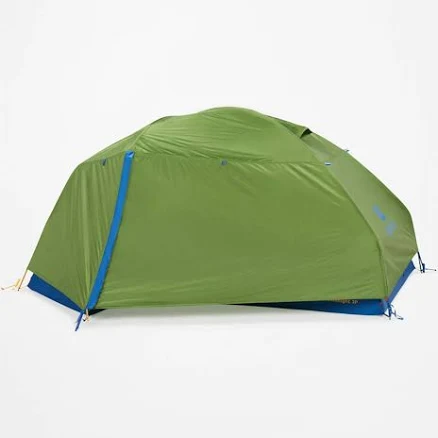
Marmot Limelight 3 Person Tent
Avoid or contact Marmot directly; waterproof tent coating origin unclear.
The Limelight 3 uses nylon fabric with a water-repellent coating typical of outdoor tents, but Marmot does not disclose whether this water-repellent coating treatment contains PFAS or uses alternatives. No third-party testing or PFAS-free certification is available.
Still want this one anyway? Check the price on Amazon. We’d swap it.
Material
Nylon ripstop fabric with water-repellent coating (water-repellent coating) coating
Lab data
No public lab test
What Marmot Limelight 3 Person Tent is made of, ingredients and materials
The Limelight 3 uses nylon ripstop fabric, a durable, lightweight weave engineered to resist tearing. It is treated with a water-repellent coating (water-repellent coating) coating to shed water without fully blocking breathability. water-repellent coating coatings on outdoor textiles have historically used PFAS-based chemistry (perfluorocarbons) to achieve long-lasting water resistance, though non-fluorinated alternatives now exist. Marmot has not publicly disclosed which formulation is used on this model, leaving PFAS status unconfirmed.
What’s concerning
Category baseline
The starting point for this type of product, before anything specific to this product is counted.
No PFAS disclosure
No public statement from the brand about PFAS in this product.
Waterproof / stain-resistant treatment
Water-repellent coating treatments have historically used PFAS.
PFAS
Nylon tent water-repellent coating coatings commonly used fluorinated chemistry historically. Marmot has not disclosed whether this model uses PFAS-based or alternative formulations. Environmental and bioaccumulation concerns apply if PFAS present.
Source, ATSDR ↗Mold and bacterial growth
If stored damp, nylon fabric can support mold and bacterial colonization, creating respiratory irritants when the tent is re-opened and used. Regular drying and dry storage prevent this risk.
What’s reassuring
Nylon degradation and microfiber release
Under normal use, nylon ripstop does not shed microplastics or degrade into hazardous particles. Excessive UV exposure and abrasion over years may eventually compromise fabric integrity, but this is durability loss rather than a chemical hazard.
Formaldehyde / VOCs
No evidence of formaldehyde-releasing finishes on Marmot nylon ripstop. Standard nylon treatments do not require formaldehyde chemistry.
Source, ATSDR ↗Heavy metals
Nylon ripstop and water-repellent coating coatings in modern recreational tents are not a known vector for lead, cadmium, or antimony. No documented recalls or test alerts for the Limelight 3 series on this hazard.
Source, FDA ↗The full breakdown
The brand's record and disclosure
Marmot is owned by Amer Sports and produces widely-used outdoor gear. The brand has not issued public commitments to PFAS-free manufacturing or transparent material sourcing disclosures comparable to competitors like Patagonia or The North Face's disclosed initiatives. No major safety recalls or certifications specific to chemical composition have been recorded for the Limelight 3 series. Contacting the company directly about water-repellent coating chemistry remains the most reliable way to confirm PFAS avoidance.
How it compares in its category
Nylon ripstop with water-repellent coating is the industry standard for three-season tents at this price point and durability level. Competing models from REI Co-op, Big Agnes, and MSR use similar constructions. Some premium brands now advertise PFAS-free water-repellent coating treatments, though these are less common in mainstream recreational tents. The Limelight 3 represents typical mid-market chemistry; buyers prioritizing known PFAS-free status may find clearer options among smaller or sustainability-certified brands.
If you buy it
Nylon ripstop is not sensitive to normal heat or direct flame exposure during use (it does not off-gas significantly when dry and unheated). Clean the tent regularly with plain water to extend water-repellent coating effectiveness and prevent microbial growth in storage. If the fabric loses water-shedding ability after several seasons, dry cleaning or commercial water-repellent coating re-treatment may refresh it, though re-treatment introduces the same PFAS uncertainty. Store in a dry place to avoid mold and material degradation.
What we don’t know
- Basis
- Model estimate, 45% confidence, not a lab result
- Lab test
- None on record for this exact product
- Brand statement
- Marmot has made a specific claim
Formulations change between production runs, so check the current label. How we grade.
More camping tents & tarps grades
How we score, every product runs through the same public 0-100 rubric based on materials, coatings, brand disclosure, lab findings, and recalls. See the full methodology → Spotted a mistake? Report an error.