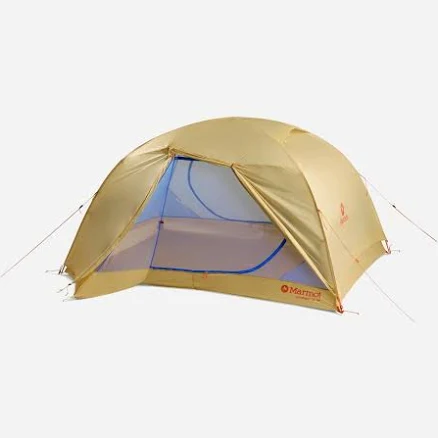
Marmot · Camping Tents & Tarps
Marmot Limelight UL 2-Person Tent
Avoid unless Marmot discloses its water-repellent coating formula.
This backpacking tent uses nylon with a water-repellent finish, a standard application for PFAS-based water-repellent coating coatings. Marmot provides no public disclosure of the specific coating chemistry or PFAS-free certification.
Still want this one anyway? Check the price on Amazon. We’d swap it.
Material
Nylon ripstop with unspecified water-repellent coating (water-repellent coating) coating
Lab data
No public lab test
What Marmot Limelight UL 2-Person Tent is made of, ingredients and materials
The Limelight UL uses nylon ripstop fabric as its primary shell material, which is lightweight and tear-resistant but requires a water-repellent (water-repellent coating) treatment to function as a rain barrier. Marmot does not publicly specify whether their water-repellent coating contains PFOA, PFOS, or other PFAS "forever chemicals" (PFAS), which are known persistent chemicals used in fluorine-based water repellents. Nylon ripstop itself is chemically inert when intact, but the coating chemistry remains a black box. The tent floor and seams are typically sealed with tape or sealant, which may introduce additional chemical complexity.
What’s concerning
Category baseline
The starting point for this type of product, before anything specific to this product is counted.
No PFAS disclosure
No public statement from the brand about PFAS in this product.
Waterproof / stain-resistant treatment
Water-repellent coating treatments have historically used PFAS.
PFAS
Nylon ripstop tent waterproofing typically requires fluorine-based water-repellent coating; Marmot's specific chemistry is undisclosed, so PFAS presence cannot be ruled in or out from public information. This is the primary concern for this product class.
Source, ATSDR ↗Seam tape and adhesive off-gassing
Seam sealing tapes and polyurethane adhesives used in tent construction may release volatile organic compounds (VOCs) initially, particularly if stored warm. Aired overnight before first use can reduce exposure; risk diminishes as adhesive cures.
What’s reassuring
Nylon fabric degradation and microplastic release
No specific reports of microplastic shedding from intact Marmot tent fabric during normal use. Risk arises only if fabric is abraded, torn, or washed excessively; the sealed construction minimizes direct contact with skin.
Heavy metals
No recalls or alerts for heavy metal contamination in Marmot nylon tent dyes. Outdoor industry testing is sparse, so absence of reports does not confirm safety; direct skin contact is minimal with tents, limiting dermal exposure.
Source, FDA ↗Formaldehyde / VOCs
Nylon ripstop does not typically require formaldehyde-based resins for finishing, unlike cotton or rayon textiles. No reports specific to Marmot tents; this hazard is low-probability for this material.
Source, ATSDR ↗The full breakdown
The brand's record and disclosure
Marmot has not published a clear, detailed statement about PFAS use in their tent coatings or apparel lines as of recent public records. The brand does not appear on lists of outdoor gear manufacturers with transparent PFAS phase-out commitments (unlike some competitors such as Patagonia or The North Face, which have made partial disclosures). No recalls or regulatory actions specific to Marmot tents for chemical hazards have been widely reported, but this absence reflects lack of scrutiny rather than confirmed safety.
How it compares in its category
Most ultralight 2-person tents in this price and weight category rely on PFAS-based water-repellent coating coatings for waterproofing performance; a tent from Big Agnes, REI Co-op, or MSR would likely face the same PFAS uncertainty. Some emerging alternatives (e.g., waxed cotton or silicone-coated fabrics) trade weight and compressibility for slightly higher PFAS avoidance, but remain niche. Marmot's silence on water-repellent coating chemistry is typical of the outdoor industry, not exceptional, making the Limelight UL neither better nor worse than peers on this dimension alone.
If you buy it
Before purchase, contact Marmot directly to request the water-repellent coating product name and PFAS content; many manufacturers will provide this on request even if not publicly listed. Store the tent dry and do not apply heat (hair dryers, direct sun) to accelerate drying, as elevated temperature may increase off-gassing of coating residues. Inspect the fabric and seams annually for tears or degradation; when water-repellent coating loses water repellency (typically 5-10 years depending on use), replacement tents are preferable to re-coating with products of unknown chemistry. Avoid boiling or machine washing; hand rinse with cool water and air dry in shade.
What we don’t know
- Basis
- Model estimate, 42% confidence, not a lab result
- Lab test
- None on record for this exact product
- Brand statement
- Marmot has made a specific claim
Formulations change between production runs, so check the current label. How we grade.
More camping tents & tarps grades
How we score, every product runs through the same public 0-100 rubric based on materials, coatings, brand disclosure, lab findings, and recalls. See the full methodology → Spotted a mistake? Report an error.