Marmot · Camping Tents & Tarps
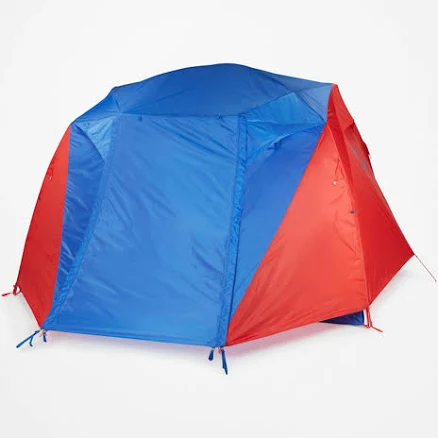
Marmot Limestone 6 Person Tent
Avoid or contact Marmot directly; silent on PFAS in tent waterproofing.
The Limestone 6 uses a polyester and nylon shell with water-repellent coating treatment for weather resistance. Marmot makes no public statement about PFAS in their tent coatings.
Still want this one anyway? Check the price on Amazon. We’d swap it.
Material
Polyester/nylon fabric with water-repellent coating (water-repellent coating) coating
Lab data
No public lab test
What Marmot Limestone 6 Person Tent is made of, ingredients and materials
The Limestone 6 uses polyester fabric (likely 75D or similar denier) with a nylon floor and a water-repellent coating (water-repellent coating) coating to shed water. water-repellent coating coatings are the primary PFAS exposure vector in tents; Marmot has not publicly disclosed whether their water-repellent coating is PFAS-free (C6, fluorocarbon-free) or PFAS-based (C8+). Polyester itself is stable and non-leaching under normal use, but the coating composition is opaque.
What’s concerning
Category baseline
The starting point for this type of product, before anything specific to this product is counted.
No PFAS disclosure
No public statement from the brand about PFAS in this product.
Waterproof / stain-resistant treatment
Water-repellent coating treatments have historically used PFAS.
PFAS
Marmot has not disclosed water-repellent coating formulation (PFAS-based vs. water-repellent coating coatings on polyester fabric may be linked to PFAS depending on the formulation used. If PFAS-based, small amounts may leach from coating during heavy rain or washing; skin contact and dust inhalation are minimal exposure routes in tent use.
Source, ATSDR ↗Polyester fabric degradation and microfiber shedding
Polyester degrades over years under UV and moisture; worn tents may shed microfibers into soil. This is a long-term environmental concern rather than direct health hazard, but relevant if tent is abandoned or heavily used.
Off-gassing from new polyester and coatings
New polyester and fresh water-repellent coating coatings can emit volatile organic compounds (VOCs) for the first few uses, especially in warm, poorly ventilated setups. Odor and mild respiratory irritation are the typical signs; this dissipates within days to weeks.
What’s reassuring
Formaldehyde / VOCs
No public record of formaldehyde-based finishing agents in Marmot polyester tents. Polyester is rarely treated with formaldehyde resins (more common in cotton), making this a low-probability hazard for this product class.
Source, ATSDR ↗Flame retardants
Standard polyester tents are not treated with flame retardants unless specifically marketed as fire-resistant. No evidence that the Limestone 6 includes such treatment; camping tents are not regulated as flame-retardant textiles.
Source, EPA ↗The full breakdown
The brand's record and disclosure
Marmot (owned by AoGroup) does not maintain a public PFAS policy or transparency page specific to tent waterproofing. The brand has no known recalls for chemical hazards in camping gear. Industry-wide, many tent makers have begun transitioning to fluorocarbon-free water-repellent coating but rarely announce the change unless marketing it, making Marmot's current standard unknown without direct contact.
How it compares in its category
Most mainstream 3-season tents (Coleman, REI Co-op, Big Agnes, MSR) operate under similar material and coating practices with no public PFAS disclosure. Brands explicitly offering PFAS-free alternatives (Hyperlite Mountain Gear, Tarptent) charge premium prices and represent a small market segment. The Limestone 6 is price-competitive and durable but does not differentiate on chemical transparency.
If you buy it
Ensure good ventilation during setup and camping to minimize inhalation of any coating off-gases, especially on the first few uses. Avoid washing the tent frequently; rinse with plain water only and air-dry completely to preserve the water-repellent coating and minimize leaching of any treatment chemicals. Store dry and cool. Inspect the fabric and seams annually for damage; small tears can be patched with repair tape or fabric adhesive, reducing long-term exposure from coating degradation.
What we don’t know
- Basis
- Model estimate, 42% confidence, not a lab result
- Lab test
- None on record for this exact product
- Brand statement
- Marmot has made a specific claim
Formulations change between production runs, so check the current label. How we grade.
More camping tents & tarps grades
How we score, every product runs through the same public 0-100 rubric based on materials, coatings, brand disclosure, lab findings, and recalls. See the full methodology → Spotted a mistake? Report an error.