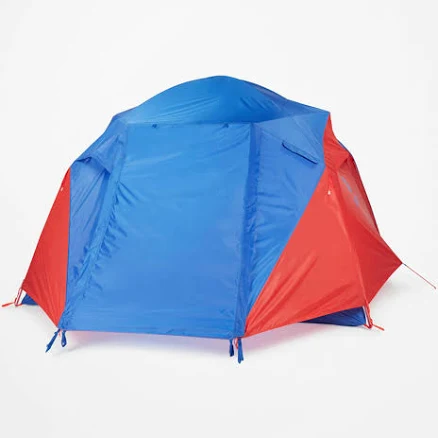
Marmot · Camping Tents & Tarps
Marmot Limestone Tent
Marmot has not disclosed PFAS status; tent waterproofing likely involves traditional water-repellent coating coatings.
Nylon ripstop with a water-repellent coating finish typical of outdoor tents. Marmot provides no disclosure about PFAS in its water-repellent coating treatment or any PFAS-free claim.
Still want this one anyway? Check the price on Amazon. We’d swap it.
Material
Nylon ripstop fabric with proprietary water-repellent coating (water-repellent coating) coating
Lab data
No public lab test
What Marmot Limestone Tent is made of, ingredients and materials
The Limestone Tent uses nylon ripstop fabric, a lightweight woven polyamide that resists tearing and is standard for backpacking tents. Marmot applies a proprietary water-repellent coating (water-repellent coating) coating to make the fabric shed water without requiring a full waterproof membrane underneath. water-repellent coating coatings historically contain fluorochemicals (PFAS) to achieve water and oil repellency, though some manufacturers have shifted to non-fluorine alternatives. Marmot has not publicly disclosed whether this tent uses traditional fluorocarbon-based water-repellent coating or a newer fluorine-free formulation.
What’s concerning
Category baseline
The starting point for this type of product, before anything specific to this product is counted.
No PFAS disclosure
No public statement from the brand about PFAS in this product.
Waterproof / stain-resistant treatment
Water-repellent coating treatments have historically used PFAS.
PFAS
Marmot has not disclosed the chemistry of its proprietary water-repellent coating. Traditional fluorocarbon-based water repellents commonly contain PFOA, PFOS, or related PFAS, which can leach into soil and water if the tent degrades or is washed. Without brand disclosure, fluorine-free alternatives cannot be confirmed.
Source, ATSDR ↗Coating degradation and reapplication chemicals
As the water-repellent coating wears, users often reapply commercial tent treatments, some of which still contain fluorochemicals. If Marmot's original coating is fluorine-based and users retreat it, cumulative PFAS exposure increases, though levels remain typical for outdoor gear users.
What’s reassuring
Nylon microfiber shedding
No established reports of hazardous microfiber release from intact nylon ripstop tents during normal use. Degradation over many years could theoretically release microplastics, but this is not a documented health pathway for this product category.
Formaldehyde / VOCs
Nylon ripstop fabric and tent seams typically use minimal formaldehyde-releasing binders compared to cotton or wool textiles. No specific reports of off-gassing from Marmot Limestone tents; nylon itself does not emit formaldehyde under normal conditions.
Source, ATSDR ↗Heavy metals
Marmot's nylon ripstop uses standard synthetic dyes typical of the outdoor gear industry. No recalls or test reports document lead, cadmium, or other heavy metal contamination in this tent. Standard industry practice suggests minimal heavy metal risk, though no third-party audit is publicly available.
Source, FDA ↗The full breakdown
The brand's record and disclosure
Marmot is a subsidiary of Russ Berrie and Company and has not published a clear policy on PFAS-free water-repellent coating adoption across its product line, nor has it disclosed the chemical composition of the Limestone Tent's water-repellent coating. The brand lacks third-party certifications (such as GOTS or Bluesign) that would independently verify coating chemistry. No recalls or safety incidents specific to this tent model are on record. The silence on water-repellent coating formulation is typical of the outdoor gear industry but leaves consumers without certainty about fluorochemical exposure.
How it compares in its category
Most nylon-ripstop tents in the three-season, mid-range segment use similar proprietary water-repellent coating coatings without public transparency. Competitors like Big Agnes and some REI Co-op tents have begun voluntarily disclosing or advertising PFAS-free alternatives, making Marmot's silence relatively less forthcoming. Premium brands like MSR occasionally highlight fluorine-free treatments, but this remains the exception rather than the norm. For a tent at this price point and category, water-repellent coating ambiguity is common but increasingly criticized by environmentally conscious buyers.
If you buy it
Store the tent dry and ventilated to prevent mildew and microbial growth in the nylon fabric. Avoid machine washing; instead, rinse gently with cool water and mild soap, then air-dry completely. The water-repellent coating will degrade over years of use and UV exposure; reapply a commercial tent water-repellent coating treatment (fluorine-based or fluorine-free, per your preference) every 1-3 seasons depending on use frequency. Do not attempt to dry-clean or use high heat, which can damage both the nylon and the coating.
What we don’t know
- Basis
- Model estimate, 45% confidence, not a lab result
- Lab test
- None on record for this exact product
- Brand statement
- Marmot has made a specific claim
Formulations change between production runs, so check the current label. How we grade.
More camping tents & tarps grades
How we score, every product runs through the same public 0-100 rubric based on materials, coatings, brand disclosure, lab findings, and recalls. See the full methodology → Spotted a mistake? Report an error.