Marmot · Camping Tents & Tarps
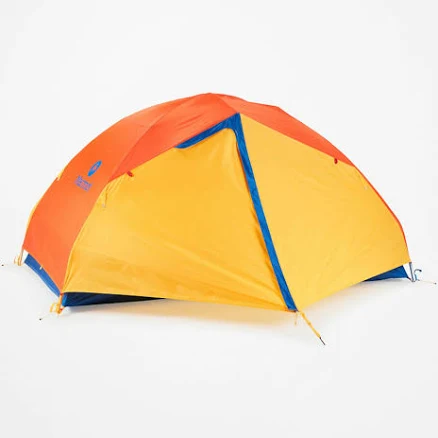
Marmot Tungsten 3 Person Tent
High uncertainty; tent likely treated with water-repellent coating, Marmot discloses nothing.
The Tungsten 3 uses polyester fabric with water-repellent coating treatment to repel water. water-repellent coating coatings on outdoor gear historically rely on PFAS compounds, though modern alternatives exist. Marmot provides no public disclosure of their water-repellent coating chemistry.
Still want this one anyway? Check the price on Amazon. We’d swap it.
Material
Polyester tent fabric with water-repellent coating (water-repellent coating) coating
Lab data
No public lab test
What Marmot Tungsten 3 Person Tent is made of, ingredients and materials
The Tungsten 3 uses polyester fabric as its primary shell material, chosen for durability, water resistance, and lightweight packability typical of modern backpacking tents. The fabric receives a water-repellent coating (water-repellent coating) coating applied during manufacture to shed water without pooling; this coating is the primary unknown in this product's safety profile. Polyester itself is chemically stable in normal use, but the water-repellent coating treatment commonly relies on fluorinated compounds (PFAS-based chemistries) to achieve water repellency, though Marmot has not disclosed their specific formulation.
What’s concerning
Category baseline
The starting point for this type of product, before anything specific to this product is counted.
No PFAS disclosure
No public statement from the brand about PFAS in this product.
Waterproof / stain-resistant treatment
Water-repellent coating treatments have historically used PFAS.
water-repellent coating (water-repellent coating) coating composition
Polyester tent fabrics typically receive water-repellent coating coatings during manufacture; Marmot does not disclose whether this product uses PFAS-based chemistries (common), PFAS-free alternatives (less common), or a proprietary blend. Unknown composition presents an information gap rather than a confirmed hazard.
Thermal degradation of coating under heat
Prolonged exposure to high temperatures (above 60-70°C) can degrade water-repellent coating coatings and potentially cause minor off-gassing of volatile organic compounds; this is unlikely in typical camping but possible near heat sources. No specific recalls or reported incidents exist for Marmot Tungsten tents in this scenario.
Mold and microbial growth if stored wet
Any tent stored damp risks mold, mildew, and bacterial colonies that can cause odor, fabric weakening, and respiratory irritation upon re-exposure. This is a maintenance issue rather than a material hazard, but it is the most common health concern for stored tents.
What’s reassuring
Microplastics
Polyester tents are not known to shed microplastics into soil or water under normal camping use, as fabric is typically intact. Risk increases only if fabric is torn or abraded heavily; washing is not a primary use case for tents.
Source, EPA ↗Formaldehyde / VOCs
Modern polyester outdoor fabrics rarely contain significant formaldehyde resins; formaldehyde is more common in cotton-blend or synthetic textiles treated for wrinkle resistance. Marmot's polyester is not known to contain formaldehyde, but no explicit certification or test data is publicly available.
Source, ATSDR ↗The full breakdown
The brand's record and disclosure
Marmot is a long-established outdoor gear manufacturer (owned by Zeon Capital Partners) with no recorded major safety recalls for tent fabric or coating hazards. However, the brand remains silent on water-repellent coating chemistry and PFAS content across its product line, offering no third-party test results or commitment to PFAS-free alternatives. This silence is not unusual in the outdoor industry but represents a transparency gap; competitors like Patagonia have begun disclosing water-repellent coating approaches more openly.
How it compares in its category
Three-season backpacking tents universally use polyester with water-repellent coating coatings; the Tungsten 3 is typical rather than exceptional in this regard. Some premium brands now offer PFAS-free water-repellent coating options (e.g., wax-based or silicone coatings) at higher price points, but independent verification is rare. Marmot's Tungsten line occupies the mid-market segment where PFAS-based water-repellent coating remains the cost-effective standard; no public data distinguishes this model's coating from industry norms.
If you buy it
Contact Marmot directly (or check product documentation) to ask about water-repellent coating chemistry and whether PFAS-free alternatives are available for this model. Store the tent dry in a cool place; do not expose it to sustained high heat (e.g., near campfires or car dashboards) as polyester can degrade and coatings may deteriorate or off-gas under stress. Inspect seams and fabric for tears or coating flaking annually; if the waterproof layer visibly degrades, the tent's protective function declines. After use, allow the tent to dry fully before storage to prevent mold and microbial growth, which poses health risks independent of material chemistry.
What we don’t know
- Basis
- Model estimate, 45% confidence, not a lab result
- Lab test
- None on record for this exact product
- Brand statement
- Marmot has made a specific claim
Formulations change between production runs, so check the current label. How we grade.
More camping tents & tarps grades
How we score, every product runs through the same public 0-100 rubric based on materials, coatings, brand disclosure, lab findings, and recalls. See the full methodology → Spotted a mistake? Report an error.