Marmot · Camping Tents & Tarps
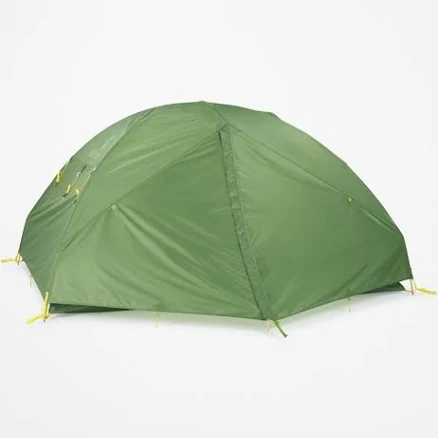
Marmot Vapor 2 Person Tent
Moderate concern; waterproof tent likely treated with water-repellent coating.
Marmot Vapor tents use polyester fabric with water-repellent treatment typical of outdoor gear. The brand makes no public statement on PFAS use or avoidance in their water-repellent coating coatings.
Still want this one anyway? Check the price on Amazon. We’d swap it.
Material
Polyester with water-repellent coating (water-repellent coating) coating
Lab data
No public lab test
What Marmot Vapor 2 Person Tent is made of, ingredients and materials
The Marmot Vapor 2 uses polyester fabric, a synthetic polymer that is inherently non-flammable and resistant to UV degradation, making it durable for outdoor use. The critical component is the water-repellent coating (water-repellent coating) finish applied to the fabric. water-repellent coating coatings historically relied on fluorinated chemicals (PFAS) to achieve water repulsion; newer alternatives like wax-based or silicone-based treatments exist but are less common. Marmot has not publicly disclosed which water-repellent coating chemistry they use in this model.
What’s concerning
Category baseline
The starting point for this type of product, before anything specific to this product is counted.
No PFAS disclosure
No public statement from the brand about PFAS in this product.
Waterproof / stain-resistant treatment
Water-repellent coating treatments have historically used PFAS.
PFAS
Tent is treated with water-repellent coating finish; chemistry undisclosed by manufacturer. Fluorinated PFAS (perfluorinated or polyfluorinated compounds) remain common in outdoor fabric coatings and persist in the environment, though direct consumer exposure during normal tent use is considered low-risk. Accumulation risk applies to manufacturing and disposal.
Source, ATSDR ↗Volatile organic compound (VOC) off-gassing
New polyester tents may emit low levels of residual solvents or plasticizer odors during the first few days of use, particularly if stored warm. Airing out the tent indoors or in ventilated space for 24-48 hours before use mitigates this. Not a health emergency but common in synthetic camping gear.
What’s reassuring
Microplastics
No evidence of unusual microplastic shedding from this tent model under normal camping conditions. Polyester fibers do not release when dry; risk increases only during wet abrasion or washing, and only minute quantities are likely. Not a documented hazard for this product class.
Source, EPA ↗Heavy metals
Marmot uses standard polyester dyes and pigments in tent fabrics. No recalls or warnings exist for lead, cadmium, or other heavy metals in this model. Polyester dyes are not subject to the same contamination risks as ceramic or textile decorative glazes.
Source, FDA ↗Adhesive or seam-seal toxicity
Polyurethane-based seam sealers (standard in tent manufacture) are stable when cured. No reports of skin irritation or off-gassing from sealed seams in the Vapor 2 or comparable tents. Seam integrity failure is a wear issue, not a chemical hazard.
The full breakdown
The brand's record and disclosure
Marmot (owned by Zumiez Inc.) does not publish transparency reports on PFAS use or non-fluorinated alternatives in tent materials. The company has no known public commitment to phasing out PFAS in outdoor gear, unlike some competitors (Arc'teryx, Patagonia) who have disclosed PFAS reduction timelines. No recalls or safety alerts have been issued for this specific tent model. Absence of disclosure does not confirm PFAS presence, but reflects an industry standard of opacity on this topic.
How it compares in its category
Most three-season tents at this price point use polyester with some form of water-repellent coating, so the Marmot Vapor 2 is typical rather than exceptional in material choice. Brands like Big Agnes and REI Co-op also remain silent on water-repellent coating chemistry; higher-end or environmentally certified brands (e.g.some brands (like Fjallraven and certain Patagonia tents) sometimes specify treatments not linked to PFAS or fluorocarbons, though at premium cost. The Vapor 2's polyester construction itself is stable and does not off-gas volatile organic compounds the way some older nylon or PVC tents might.
If you buy it
Rinse the tent before first use to remove any loose treatment residues. Store in a dry, well-ventilated space away from direct heat or sunlight, which can degrade the polyester fibers over 5-10 years of regular use. Avoid machine washing; clean with mild soap and water only. If the water-repellent coating begins to bead water less effectively (typically after 3-5 years), reapplication products are widely available; consider recoating rather than replacing the tent unless seams fail.
What we don’t know
- Basis
- Model estimate, 45% confidence, not a lab result
- Lab test
- None on record for this exact product
- Brand statement
- Marmot has made a specific claim
Formulations change between production runs, so check the current label. How we grade.
More camping tents & tarps grades
How we score, every product runs through the same public 0-100 rubric based on materials, coatings, brand disclosure, lab findings, and recalls. See the full methodology → Spotted a mistake? Report an error.