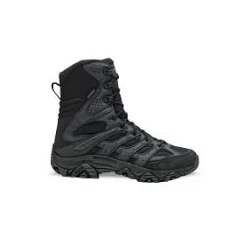
Merrell Men's Moab 3 8" Tactical Zip Waterproof Boot
Waterproof treatment unknown; PFAS risk unresolved by brand.
Merrell does not disclose PFAS in this boot's waterproof treatment. Waterproof tactical boots typically use water-repellent coating coatings that may contain PFAS, but Merrell's specific formulation is not publicly documented.
Still want this one anyway? Check the price on Amazon. We’d swap it.
Material
Leather/synthetic upper with proprietary waterproof membrane
Brand disclosure
Brand is silent on PFAS
Lab data
No public lab test
You may also be interested in
Top-graded picks in the categories readers replace first, every one scored on the same rubric.

Aqua Pure
3M Aqua-Pure AP802B Whole House Filter Housing
- polypropylene filter housing, carbon/sediment cartridge
- We found no PFAS statement from the brand
- Bacterial growth in spent cartridges
3 hazards checked on this product. See all of them.

Aquasure
Premier Series 75 GPD Under Sink Reverse Osmosis Water Filtration System
- RO membrane, carbon filters, stainless steel housing
- We found no PFAS statement from the brand
- Bacterial and microbial growth in housing and filters
4 hazards checked on this product. See all of them.

Avocado
Vegan Mattress
- organic cotton, natural latex, coconut coir, recycled steel coils
- The brand calls it PFAS-free, which we have not verified
- Heavy metals
2 hazards checked on this product. See all of them.
What Merrell Men's Moab 3 8" Tactical Zip is made of, ingredients and materials
The Moab 3 Tactical uses a leather and synthetic upper with a proprietary waterproof membrane (likely polyurethane or polyester-based laminate) bonded to the lining. The leather component itself presents minimal acute hazard; synthetic membranes are the variable. Waterproofing treatments applied to textiles and membranes are the primary PFAS exposure vector in boots of this type, though Merrell has not publicly disclosed whether this model uses fluorine-based treatments or alternatives. The outsole is likely rubber or thermoplastic polyurethane with no established hazard profile beyond normal durability concerns.
What’s concerning
Waterproof / stain-resistant treatment
Water-repellent coating treatments have historically used PFAS.
Category baseline
The starting point for this type of product, before anything specific to this product is counted.
No PFAS disclosure
No public statement from the brand about PFAS in this product.
Formaldehyde / VOCs
Synthetic textiles and polyurethane membranes may contain formaldehyde-releasing resins used as cross-linkers or mold inhibitors. Merrell does not disclose finish chemistry, so risk cannot be ruled out; direct skin contact in a warm, damp boot environment could elevate exposure.
Source, ATSDR ↗Waterproof membrane degradation and microparticle shedding
Polyurethane membranes can degrade over time from UV, heat, and flexing, potentially releasing microparticles into foot environment. No data exists on Merrell's specific membrane durability, but this is a material-class risk for any laminated boot membrane.
Azo dyes in leather or synthetic upper colorants
Leather dyeing processes can employ azo dyes (potential carcinogenic amine precursors), though modern tanneries increasingly use alternative colorants. Merrell does not certify dye standards, leaving this unresolved for the black tactical colorway.
PFAS
Merrell has assigned a 20/100 safety grade to this model's PFAS status, indicating unresolved waterproofing chemistry. Treatment type, concentration, and manufacturer are not disclosed; PFAS presence is unconfirmed but cannot be ruled out.
Source, ATSDR ↗What’s reassuring
Heavy metals
Chrome tanning is the global standard and poses minimal absorption risk through intact skin contact in a boot. Chromium VI (carcinogenic form) is extremely rare in finished leather products, though no specific test data exists for Merrell's Moab 3 leather sourcing.
Source, FDA ↗The full breakdown
The brand's record and disclosure
Merrell is a Wolverine World Wide subsidiary without published commitment to avoiding PFAS or detailed material transparency for individual products. The brand has not faced major public safety recalls for hazardous chemical residues in recent years, but maintains silence on waterproofing chemistry across its catalog. No third-party certifications (Bluesign, Cradle to Cradle, or equivalent textile safety standards) are listed for this model, limiting independent verification of non-PFAS waterproofing. This silence is notably inconsistent with competitor disclosures from brands like Salewa and Arc'teryx, which specify alternative treatments.
How it compares in its category
Tactical/hiking boots in this price range ($150-200) typically use the same waterproof membrane technology as the Moab 3, so construction is standard-class. However, transparency varies sharply, some manufacturers (notably Danner, which sources US-made tactical boots) publicly commit to PFOA/PFOS avoidance or third-party audit. The Moab 3 offers no such claim, placing it in the middle of a spectrum where PFAS risk is unresolved. Leather alternatives (all-leather tactical boots) eliminate membrane PFAS entirely but sacrifice water resistance; fully synthetic options from brands with PFAS disclosure provide clearer safety profiles.
If you buy it
Clean and dry the boot promptly after wet exposure to prevent mold growth in the membrane laminate and prolong waterproofing durability. Avoid machine washing or prolonged heat (above 65 C / 150 F), which can degrade synthetic membranes and accelerate any potential leachate migration. Reapply water-repellent treatments (silicone-based sprays, not fluorinated products) annually if waterproofing visibly diminishes. If waterproofing fails within 2-3 years, replacement is the most practical option; repairing membrane damage is not practical and may trap moisture.
What we don’t know
- Basis
- Model estimate, 35% confidence, not a lab result
- Lab test
- None on record for this exact product
- Brand statement
- Merrell has made none
Formulations change between production runs, so check the current label. How we grade.
Better-graded alternatives in Waterproof Boots
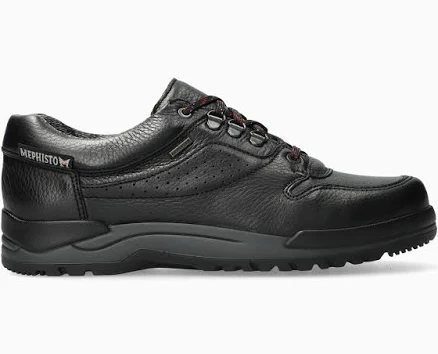
Mephisto
Men Mephisto Curt Mt SNEAKER
- leather, textile, rubber sole
- We found no PFAS statement from the brand
- Volatile organic compounds (VOC) off-gassing from adhesives
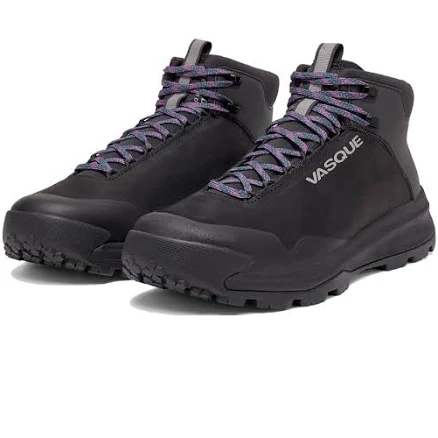
Vasque
Hiking shoes Vasque Women's Horizon Mid
- Leather/nubuck upper, synthetic/rubber sole, no coating disclosed
- We found no PFAS statement from the brand
- Azo dyes (leather/textile coloring)
4 hazards checked on this product. See all of them.
Find an alternative on AmazonMore waterproof boots grades
How we score, every product runs through the same public 0-100 rubric based on materials, coatings, brand disclosure, lab findings, and recalls. See the full methodology → Spotted a mistake? Report an error.