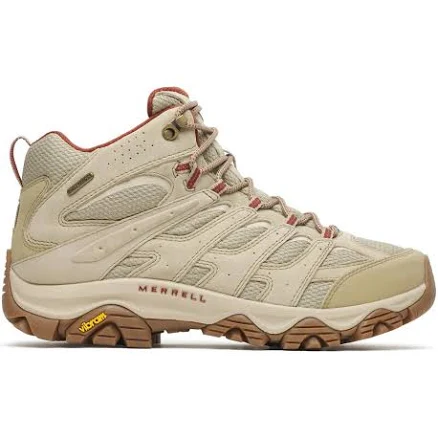
Merrell Men's Moab 3 Mid Waterproof
Waterproofed hiking boot with unknown water-repellent coating chemistry. Skip if PFAS-sensitive.
Merrell does not disclose PFAS status for Moab 3's waterproof treatment. Typical outdoor footwear uses legacy Teflon-family coating coatings. No independent verification available.
Still want this one anyway? Check the price on Amazon. We’d swap it.
Material
Leather upper, synthetic lining, water-repellent coating-treated waterproof membrane
Brand disclosure
Brand is silent on PFAS
Lab data
No public lab test
You may also be interested in
Top-graded picks in the categories readers replace first, every one scored on the same rubric.

Aqua Pure
3M Aqua-Pure AP802B Whole House Filter Housing
- polypropylene filter housing, carbon/sediment cartridge
- We found no PFAS statement from the brand
- Bacterial growth in spent cartridges
3 hazards checked on this product. See all of them.

Aquasure
Premier Series 75 GPD Under Sink Reverse Osmosis Water Filtration System
- RO membrane, carbon filters, stainless steel housing
- We found no PFAS statement from the brand
- Bacterial and microbial growth in housing and filters
4 hazards checked on this product. See all of them.

Avocado
Vegan Mattress
- organic cotton, natural latex, coconut coir, recycled steel coils
- The brand calls it PFAS-free, which we have not verified
- Heavy metals
2 hazards checked on this product. See all of them.
What Merrell Men's Moab 3 Mid Waterproof is made of, ingredients and materials
The Moab 3 Mid pairs full-grain leather uppers with a synthetic lining and an unnamed water-repellent coating (water-repellent coating) treated membrane. Leather itself is relatively inert once tanned, but the water-repellent coating finish is the chemical wildcard, it creates the waterproof barrier but Merrell does not publicly disclose whether it contains PFAS, fluorocarbon alternatives, or wax-based systems. The synthetic lining introduces potential off-gassing risk if it contains polyurethane or PVC, though this is minimal in footwear under normal use.
What’s concerning
Waterproof / stain-resistant treatment
Water-repellent coating treatments have historically used PFAS.
Category baseline
The starting point for this type of product, before anything specific to this product is counted.
No PFAS disclosure
No public statement from the brand about PFAS in this product.
PFAS
Merrell has not disclosed whether the waterproof membrane uses PFAS-based fluorocarbons, fluorocarbon-free alternatives (e.g., wax, polysiloxane), or hybrid treatments. Without transparency, buyers cannot assess long-term skin exposure or environmental persistence risk.
Source, ATSDR ↗What’s reassuring
Synthetic lining off-gassing (VOCs)
The synthetic lining material is not specified publicly; if polyurethane or PVC-based, minimal VOC release is expected in a breathable footwear context, and no documented health complaints exist for the Moab line. Risk is low under normal use but elevated in poorly ventilated storage or if the boot is worn immediately after purchase without airing.
Formaldehyde / VOCs
Leather uppers may contain chromium or vegetable tannins; chromium is standard in the industry and presents lower concern when fully fixed. Formaldehyde is occasionally used in leather finishing but is not documented as a concern for the Moab line, and no recalls or complaints are on record.
Source, ATSDR ↗Adhesive and cement leaching
Sole-to-upper bonds use industrial adhesives that can leach if the boot is immersed repeatedly or stored in high heat. No specific issues are reported for Moab 3, and the risk is minimal under typical hiking use and maintenance.
Heavy metals
Rubber soles and synthetic reinforcements in hiking boots do not typically contain antimony, lead, or cadmium at levels of concern, and no testing or recalls suggest otherwise for this model.
Source, FDA ↗The full breakdown
The brand's record and disclosure
Merrell (owned by Wolverine Worldwide) has not published detailed chemical disclosures or sustainability reports specific to individual boot lines. The company remains silent on PFAS use in its water-repellent coating treatments, which is typical across the hiking boot industry but represents a significant gap for consumers concerned about forever chemicals. No major recalls or formaldehyde/antimony controversies are documented for the Moab line. Wolverine has faced some supply-chain transparency criticism but has not faced direct product safety enforcement actions related to this boot model.
How it compares in its category
Most waterproof hiking boots in this price and performance tier use water-repellent coating-treated synthetic membranes (Gore-Tex, proprietary alternatives) without public PFAS disclosure. The Moab 3 is competitive but not distinctly lower concern; brands like Salomon and La Sportiva are equally opaque. Higher-end brands like Danner and Keen occasionally disclose water-repellent coating chemistry, and a small number of makers (e.g., Patagonia, some European brands) now use PFAS-free water repellents, though these remain niche and costlier.
If you buy it
Treat the water-repellent coating as temporary; reapply water-repellent treatments annually or when beading diminishes to maintain waterproofing without relying on an unknown original formula. Store in a cool, dry place away from heat and direct sunlight to slow leather degradation. Rotate with other boots if possible to extend lifespan and reduce chemical exposure duration. When the sole or upper fails, send to a recycler or second-hand reseller rather than landfill; leather and synthetic components can leach into soil if buried.
What we don’t know
- Basis
- Model estimate, 45% confidence, not a lab result
- Lab test
- None on record for this exact product
- Brand statement
- Merrell has made none
Formulations change between production runs, so check the current label. How we grade.
Better-graded alternatives in Waterproof Boots
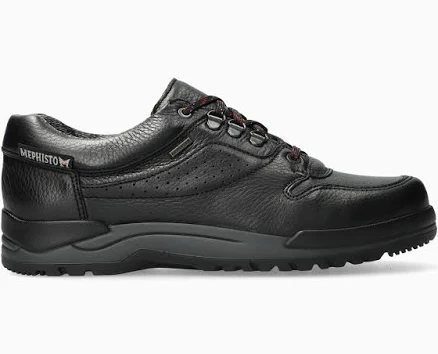
Mephisto
Men Mephisto Curt Mt SNEAKER
- leather, textile, rubber sole
- We found no PFAS statement from the brand
- Volatile organic compounds (VOC) off-gassing from adhesives
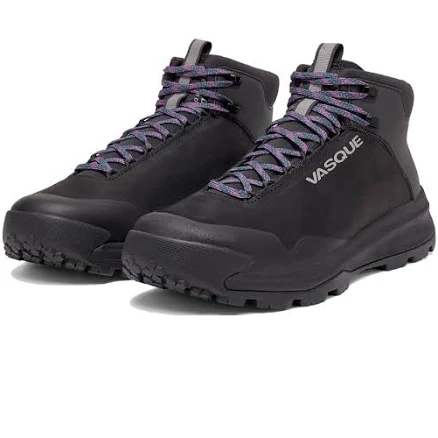
Vasque
Hiking shoes Vasque Women's Horizon Mid
- Leather/nubuck upper, synthetic/rubber sole, no coating disclosed
- We found no PFAS statement from the brand
- Azo dyes (leather/textile coloring)
4 hazards checked on this product. See all of them.
Find an alternative on AmazonMore waterproof boots grades
How we score, every product runs through the same public 0-100 rubric based on materials, coatings, brand disclosure, lab findings, and recalls. See the full methodology → Spotted a mistake? Report an error.