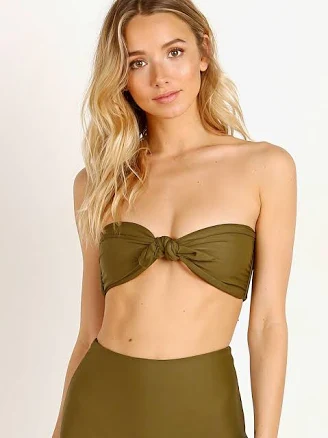
MIKOH Java Bikini Top Women's
Higher concern due to likely water-repellent coating treatment; brand transparency absent.
The MIKOH Java Bikini Top uses nylon/polyester typical of swimwear, likely treated with water-repellent coating finish to enhance quick-dry properties. Mikoh provides no public disclosure about PFAS use or avoidance.
The better-graded swap
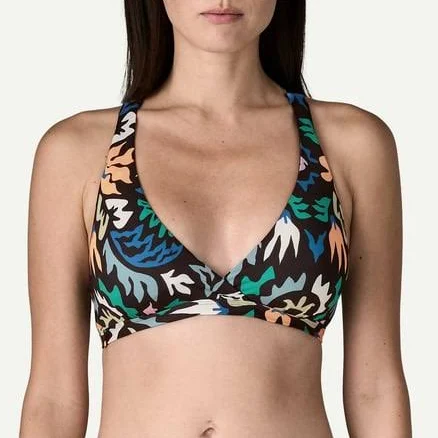
Patagonia
Patagonia Women's Bottom Turn Racerback Bikini Top
90/100 safety
Same rubric that flunked this product. The swap earned Excellent.
Still want this one anyway? Check the price on Amazon. We’d swap it.
Material
nylon/polyester blend with water-repellent coating (water-repellent coating) treatment
Brand disclosure
Brand is silent on PFAS
Lab data
No public lab test
What MIKOH Java Bikini Top Women's is made of, ingredients and materials
This bikini top is a nylon-polyester blend, common in performance swimwear for durability and stretch recovery. The water-repellent coating (water-repellent coating) finish applied to the fabric is the primary chemical concern; modern water-repellent coating treatments on swimwear typically rely on fluorinated compounds (PFAS) to create water shedding. Nylon and polyester themselves are stable polymers with low leaching risk under normal use, but the applied coating is where chemical exposure concentrates.
What’s concerning
Category baseline
The starting point for this type of product, before anything specific to this product is counted.
No PFAS disclosure
No public statement from the brand about PFAS in this product.
Waterproof / stain-resistant treatment
Water-repellent coating treatments have historically used PFAS.
Antimony in polyester
Polyester in this blend may contain antimony as a catalyst residue from polymerization; levels in finished fabric are typically below concern thresholds, but no specific testing or disclosure from Mikoh confirms antimony content or absence.
Degradation and microplastic shedding
Nylon and polyester swimwear sheds microfibers during washing and wear. The water-repellent coating on this top may accelerate breakdown of the polymer surface, increasing shedding rates. No data specific to Mikoh products exists, but the material class is documented to shed microplastics in laundering.
Skin sensitization from dyes or finish residues
Residual dye or water-repellent coating treatment chemicals not fully rinsed during manufacturing could irritate sensitive skin on initial wear. Mikoh does not publish wash-off protocols or residue limits. Pre-washing before first wear is a standard precaution for swimwear in this category.
What’s reassuring
Formaldehyde / VOCs
No recalls or complaints specific to Mikoh bikini tops for restricted azo dyes or formaldehyde resins are documented. Nylon-polyester blends are typically not treated with formaldehyde-release resins (those are more common in cotton-blend textiles), but standard dye batches are not publicly disclosed by Mikoh.
Source, ATSDR ↗Elastic degradation and chemical leachates
Spandex blended elastic in swimwear straps can degrade in chlorine or UV; no specific failures or chemical leachate reports exist for Mikoh bikini tops, but elastic replacement is a routine maintenance issue across the category.
The full breakdown
The brand's record and disclosure
Mikoh is a luxury swimwear brand with limited public chemical disclosure practices. No PFAS phase-out commitment or PFAS-free certifications appear in public records for this brand. The company does not publish material safety datasheets or treatment ingredient lists for its products, making it impossible to confirm whether alternative (non-fluorinated) water-repellent coating chemistry is used. This silence is notable given the industry trend toward PFAS alternatives.
How it compares in its category
Luxury swimwear brands generally do not disclose water-repellent coating chemistry; most use PFAS-based treatments as the industry standard. Mid-market alternatives (e.g.Patagonia swimwear increasingly publicize water-repellent coating options with lower concern for fluorinated compounds. Premium brands like Mikoh occupy a middle ground, they don't market environmental or chemical safety as a value proposition, unlike eco-focused competitors, nor do they lead on transparency. For a bikini top at this price point, lack of third-party certifications (Oeko-Tex, GOTS) is typical but notable.
If you buy it
Rinse in fresh water after saltwater or chlorinated pool use to extend water-repellent coating life and reduce chemical wear. Wash in cool water with mild detergent; avoid fabric softeners and heat-drying, both of which degrade water-repellent coating finishes and may increase microplastic shedding from the nylon-polyester blend. Replace when elastic loses tension or coating visibly flakes or pilling develops. The water-repellent coating treatment diminishes with washing regardless of care; expect 50-100 wears before noticeable performance loss.
What we don’t know
- Basis
- Model estimate, 45% confidence, not a lab result
- Lab test
- None on record for this exact product
- Brand statement
- Mikoh has made none
Formulations change between production runs, so check the current label. How we grade.
Better-graded alternatives in Swimwear
Patagonia
Women's Bottom Turn Racerback Bikini Top
- Nylon/polyester blend with elastane (standard swimwear)
- The brand calls it PFAS-free, which we have not verified
- Elastane (spandex) degradation under heat or chlorine
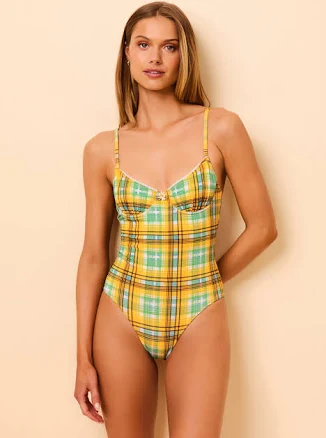
Solid & Striped
Taylor One Piece Seersucker Plaid
- Cotton/cotton-blend seersucker plaid
- We found no PFAS statement from the brand
- Azo dyes and colorfast stability
2 hazards checked on this product. See all of them.
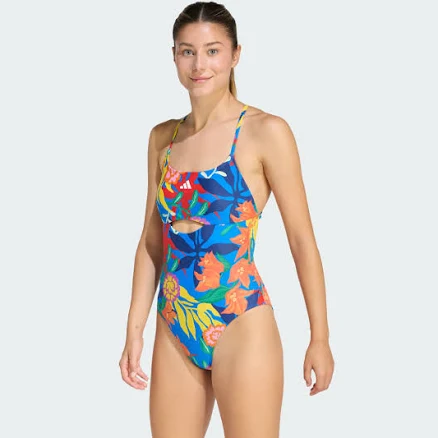
Adidas
Women's Mexicana Florals Tie-Back Swimsuit
- Polyester/nylon swimsuit fabric, likely uncoated or standard finish
- Azo dyes and synthetic colorants
4 hazards checked on this product. See all of them.
More swimwear grades
How we score, every product runs through the same public 0-100 rubric based on materials, coatings, brand disclosure, lab findings, and recalls. See the full methodology → Spotted a mistake? Report an error.