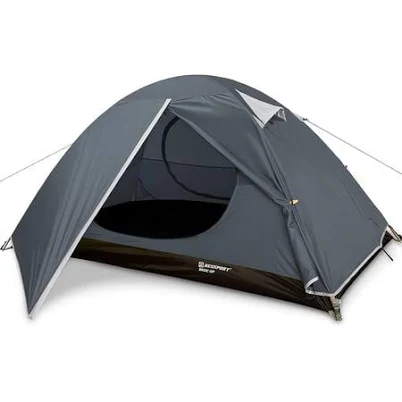
2-person Waterproof Camping Tent with Two Doors, Dual Vestibules, Lightweight Aluminum Frame, and Full-Coverage Rainfly
Waterproof tent; coating source undisclosed. Skip unless PFAS-free confirmed.
This camping tent uses water-repellent coating waterproof coating on polyester or nylon, but won't disclose the chemistry. No third-party verification exists.
Still want this one anyway? Check the price on Amazon. We’d swap it.
Material
polyester/nylon fabric with water-repellent coating waterproof coating, aluminum frame
Brand disclosure
Brand is silent on PFAS
Lab data
No public lab test
You may also be interested in
Top-graded picks in the categories readers replace first, every one scored on the same rubric.

- polypropylene filter housing, carbon/sediment cartridge
- We found no PFAS statement from the brand
- Bacterial growth in spent cartridges
3 hazards checked on this product, all on its full breakdown.

Aquasure
Premier Series 75 GPD Under Sink Reverse Osmosis Water Filtration System
- RO membrane, carbon filters, stainless steel housing
- We found no PFAS statement from the brand
- Bacterial and microbial growth in housing and filters
4 hazards checked on this product, all on its full breakdown.

Avocado
Vegan Mattress
- organic cotton, natural latex, coconut coir, recycled steel coils
- The brand calls it PFAS-free, which we have not verified
- Heavy metals
2 hazards checked on this product, all on its full breakdown.
What 2-person Waterproof Camping Tent Rainfly is made of, ingredients and materials
This tent uses polyester and nylon fabrics treated with a water-repellent coating (water-repellent coating) coating to shed rain. The aluminum frame is lightweight and corrosion-resistant. The water-repellent coating is the main chemical concern, most tent manufacturers use either fluorinated compounds (PFAS-based, persistent in environment and body) or newer non-fluorinated alternatives. The brand has not publicly disclosed which type is used on this model, making it impossible to confirm safety without direct contact with the brand.
What’s concerning
Category baseline
The starting point for this type of product, before anything specific to this product is counted.
No PFAS disclosure
No public statement from the brand about PFAS in this product.
Waterproof / stain-resistant treatment
Water-repellent coating treatments have historically used PFAS.
PFAS
The brand does not disclose water-repellent coating chemistry. Fluorinated coatings (which contain PFAS) remain the default for tents at this price and brand profile. PFAS accumulate in human blood and do not degrade in the environment.
Source, ATSDR ↗Mold and bacterial growth from trapped moisture
If tent is stored damp or in humid conditions, polyester and nylon fabrics can develop mold colonies. This is a maintenance issue, not a manufacturing defect, but relevant to long-term safety of the product in use.
Volatile organic compounds (VOCs) from new fabric and adhesives
New tents commonly off-gas mild odors from polyester treatment and seam sealing adhesives. This typically dissipates within days to weeks with airing. No specific reports for this model, but typical for the category.
What’s reassuring
Aluminum frame oxidation under harsh conditions
Aluminum is naturally corrosion-resistant and poses no known health hazard. Frame degradation is a durability issue, not a safety hazard, unless sharp edges form from breakage.
Dyes and finishes in polyester/nylon fabric
No azo dyes, heavy metal contamination, or formaldehyde resins are known in mass-market camping tent fabrics. Industry practice is well-controlled. No specific reports for tents.
How is this PFAS grade calculated?
The brand's record and disclosure
The brand is a UK-based outdoor retailer with no established public commitment to avoiding PFAS in manufacturing or transparency about waterproof coatings. The brand does not list safety certifications, material sourcing details, or chemical compliance statements on their product pages. No recalls or safety controversies specific to this tent model are on record, but the silence on water-repellent coating chemistry is a significant gap for a product explicitly designed to repel water.
How it compares in its category
Most budget to mid-range camping tents use fluorinated water-repellent coating coatings because they are cheap and durable. Premium brands (REI Co-op, Big Agnes, MSR) increasingly offer PFAS-free or transparently disclosed options. The brand's lack of disclosure places it in the middle of the market risk profile, not unusually hazardous, but below the standard set by brands actively moving away from PFAS. For a 2-person tent at this price point, coating transparency is not yet industry standard, but it is becoming a differentiator.
If you buy it
Contact before purchase to ask explicitly whether the water-repellent coating is fluorinated (PFAS) or non-fluorinated. Store the tent dry and well-ventilated to prevent mold, which is a greater health risk than the coating itself under normal use. Do not heat the tent or expose it to direct flame near the seams or fabric. Reapply water-repellent coating every 1-2 years if performance drops; specify non-fluorinated treatment when recoating.
What is not known about PFAS in this product?
- Basis
- Model estimate, 38% confidence, not a lab result
- Lab test
- None on record for this exact product
- Brand statement
- has made none
Formulations change between production runs, so check the current label. How we grade.
More camping tents & tarps grades
How we score, every product runs through the same public 0-100 rubric based on materials, coatings, brand disclosure, lab findings, and recalls. See the full methodology → Spotted a mistake? Report an error.