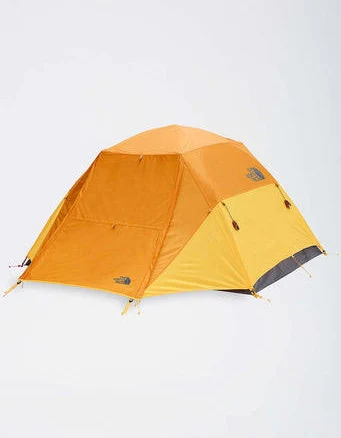
The North Face · Camping Tents & Tarps
The North Face Stormbreak 3 Tent
Tent with likely water-repellent coating; unconfirmed PFAS. Request details.
Modern tents typically use fluorinated water-repellent coatings. Mountain Warehouse doesn't disclose PFAS status, so contact the brand or look for PFAS-free alternatives if concerned.
Still want this one anyway? Check the price on Amazon. We’d swap it.
Material
Polyester fabric with unspecified water-repellent coating (water-repellent coating) coating
Lab data
No public lab test
You may also be interested in
Top-graded picks in the categories readers replace first, every one scored on the same rubric.

- polypropylene filter housing, carbon/sediment cartridge
- We found no PFAS statement from the brand
- Bacterial growth in spent cartridges
3 hazards checked on this product, all on its full breakdown.

Aquasure
Premier Series 75 GPD Under Sink Reverse Osmosis Water Filtration System
- RO membrane, carbon filters, stainless steel housing
- We found no PFAS statement from the brand
- Bacterial and microbial growth in housing and filters
4 hazards checked on this product, all on its full breakdown.

Avocado
Vegan Mattress
- organic cotton, natural latex, coconut coir, recycled steel coils
- The brand calls it PFAS-free, which we have not verified
- Heavy metals
2 hazards checked on this product, all on its full breakdown.
What The North Face Stormbreak 3 Tent is made of, ingredients and materials
The Stormbreak 3 uses polyester fabric as its primary shell material, which is inherently durable and resistant to UV degradation and mildew. The critical unknown is the water-repellent coating (water-repellent coating) finish applied to the polyester. Most modern tent water-repellent coating coatings are fluorine-based compounds, historically PFOA or PFOS, though some manufacturers have shifted to shorter-chain PFAS or non-fluorine alternatives. Without specification from Mountain Warehouse, the coating chemistry cannot be confirmed, making the PFAS exposure profile uncertain.
What’s concerning
Category baseline
The starting point for this type of product, before anything specific to this product is counted.
No PFAS disclosure
No public statement from the brand about PFAS in this product.
Waterproof / stain-resistant treatment
Water-repellent coating treatments have historically used PFAS.
PFAS
Unconfirmed but standard practice in budget tent manufacturing. Exposure is primarily contact-based during setup/use and potential off-gassing; no direct ingestion risk unless coating degrades severely into water sources.
Source, ATSDR ↗Polyester fabric degradation and microfiber release
Polyester breaks down slowly over years of UV and mechanical stress (packing, camping), shedding microfibers. Risk is low in normal use but increases with wear and abrasion; not a chemical hazard but a persistent pollution concern.
What’s reassuring
Formaldehyde / VOCs
Modern polyester tent fabrics rarely use formaldehyde-based resins, though no test data is available for this specific product. Dyes and adhesives could theoretically contain trace formaldehyde, but documented cases in camping tents are extremely rare.
Source, ATSDR ↗Heavy metals
No recalls or testing data document unsafe dye levels in Mountain Warehouse tent fabrics. Polyester textiles are generally lower-risk for restricted azo dyes than apparel, given their non-contact use and outdoor weathering.
Source, FDA ↗Flame retardants
Camping tents are not treated with flame retardants as a standard; polyester's own flammability is accepted as a tradeoff for durability and cost. No evidence this product contains antimony additives.
Source, EPA ↗How is this PFAS grade calculated?
The brand's record and disclosure
Mountain Warehouse is a UK-based budget outdoor retailer with limited published material safety disclosures compared to major brands like The North Face, REI Co-op, or MSR. No independent certifications (Bluesign, OEKO-TEX, etc.) are documented for this tent model. The brand has not publicly committed to PFAS-free standards or phased elimination timelines, and specific product datasheets on water-repellent coating composition are not readily available online. This opacity is typical for lower-cost tent manufacturers but represents a significant information gap for informed purchasing.
How it compares in its category
Budget three-season tents at this price point typically use fluorinated water-repellent coating coatings; premium brands increasingly offer PFAS-free or PFOA-phase-out options (e.g., Hyperfan, Patagonia partnerships). Polyester fabric presents lower concern than PVC for tent materials, which can off-gas phthalates. The Stormbreak 3 is comparable to other entry-level polyester domes in durability and water resistance, but without transparency on the water-repellent coating, it ranks lower on chemical safety accountability than brands publishing full material composition or third-party test reports.
If you buy it
Before purchase, contact Mountain Warehouse directly requesting the specific water-repellent coating type (brand name and PFAS status). Store and use the tent with good ventilation, especially during first deployment, to minimize potential inhalation of coating off-gases. Do not heat or machine-wash the tent, as this can degrade coatings and increase leaching. Inspect seams and fabric annually; if the water repellent visibly breaks down (beading stops), replacement becomes a safety plus sustainability concern rather than a coating integrity one.
What is not known about PFAS in this product?
- Basis
- Model estimate, 35% confidence, not a lab result
- Lab test
- None on record for this exact product
- Brand statement
- The North Face has made a specific claim
Formulations change between production runs, so check the current label. How we grade.
More camping tents & tarps grades
How we score, every product runs through the same public 0-100 rubric based on materials, coatings, brand disclosure, lab findings, and recalls. See the full methodology → Spotted a mistake? Report an error.