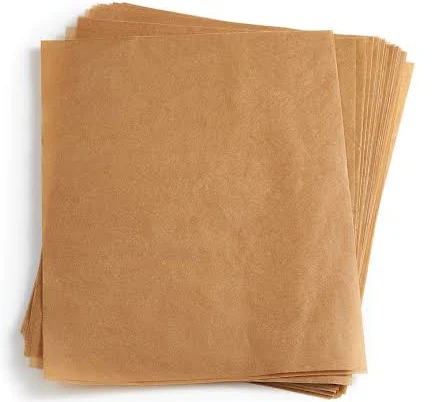
King Arthur Baking · Parchment Paper & Baking Liners
King Arthur Baking Natural Half-Sheet Baking Parchment Paper
Parchment paper coating origin unspecified; moderate PFAS risk remains uncertain.
King Arthur's product uses a water-resistant coating on paper, likely silicone or wax-based. No PFAS disclosure or testing data publicly available, leaving risk level unconfirmed.
The better-graded swap
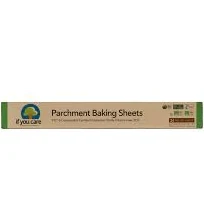
If You Care
Parchment Baking Sheets
90/100 safety
Same rubric that flunked this product. The swap earned Excellent.
Still want this one anyway? Check the price on Amazon. We’d swap it.
Material
paper with silicone and/or wax coating
Brand disclosure
Brand is silent on PFAS
Lab data
No public lab test
You may also be interested in
Top-graded picks in the categories readers replace first, every one scored on the same rubric.

- polypropylene filter housing, carbon/sediment cartridge
- We found no PFAS statement from the brand
- Bacterial growth in spent cartridges
3 hazards checked on this product, all on its full breakdown.

Aquasure
Premier Series 75 GPD Under Sink Reverse Osmosis Water Filtration System
- RO membrane, carbon filters, stainless steel housing
- We found no PFAS statement from the brand
- Bacterial and microbial growth in housing and filters
4 hazards checked on this product, all on its full breakdown.

Avocado
Vegan Mattress
- organic cotton, natural latex, coconut coir, recycled steel coils
- The brand calls it PFAS-free, which we have not verified
- Heavy metals
2 hazards checked on this product, all on its full breakdown.
What King Arthur Baking Natural Parchment Paper is made of, ingredients and materials
King Arthur Natural Half-Sheet Parchment is paper substrate coated with silicone and/or wax to create a non-stick, heat-resistant surface. The specific composition of the coating, whether it contains fluorinated compounds (PFAS) for durability or relies on non-fluorinated silicone, is not disclosed by the brand. Parchment paper is generally used for oven applications up to around 420-450°F, but coating integrity and leaching risk depend entirely on the coating chemistry, which remains opaque for this product.
What’s concerning
Waterproof / stain-resistant treatment
Water-repellent coating treatments have historically used PFAS.
Category baseline
The starting point for this type of product, before anything specific to this product is counted.
No PFAS disclosure
No public statement from the brand about PFAS in this product.
PFAS
Unspecified coating composition means non-fluorinated silicone or wax components could migrate into fatty or acidic foods under high heat; risk is typical for parchment but unquantified for this product.
Source, ATSDR ↗Coating degradation and particle shedding
Repeated use, creasing, or exposure to temperatures above manufacturer limits may cause the coating to flake; no durability data provided by brand.
What’s reassuring
Bleaching agents or optical brighteners in paper base
No public reports of concerning levels in King Arthur parchment; food-contact parchment is generally chlorine-free-processed or minimally bleached, but not independently verified here.
Microplastics
Parchment paper base is cellulose (not plastic), so microplastic risk is low unless silicone coating degrades into fine particles under extreme conditions, which is not documented.
Source, EPA ↗How is this PFAS grade calculated?
The brand's record and disclosure
Natural Value (the manufacturer) does not publicly specify whether its parchment coating contains PFAS or disclose third-party testing. The brand has not issued statements addressing forever chemicals in its products, and no formal certifications (e.g.Documentation of compostability or food-contact compliance audits are prominently available. This silence is notable in a category where competitors increasingly highlight non-fluorinated alternatives and transparent sourcing.
How it compares in its category
Parchment paper as a category carries inherent PFAS risk because manufacturers historically used fluorinated compounds to achieve heat and grease resistance. Some brands (e.g., If You Care, Unbleached Culprit) now market PFAS-free or certified compostable options with disclosed coatings. King Arthur's lack of specification places it in the middle-to-higher-risk segment of the parchment market; it offers no competitive transparency advantage over either budget or premium eco-labeled alternatives.
If you buy it
Use at temperatures below 420°F to minimize any risk of coating breakdown or volatile emissions. Do not reuse sheets excessively once creasing or wear becomes visible; degraded coating increases leaching potential. Store in a cool, dry place away from direct heat or sunlight to preserve coating integrity. Consider rotating to a verified PFAS-free brand if you bake frequently or want lower uncertainty.
What is not known about PFAS in this product?
- Basis
- Model estimate, 42% confidence, not a lab result
- Lab test
- None on record for this exact product
- Brand statement
- King Arthur Baking has made none
Formulations change between production runs, so check the current label. How we grade.
What are the PFAS-free alternatives to King Arthur Baking Natural Half-Sheet Baking Parchment Paper?
- silicone-coated parchment paper
- The brand calls it PFAS-free, which we have not verified
- Paper degradation and particulate shedding
- unbleached paper with silicone coating
- The brand calls it PFAS-free, which we have not verified
- Silicone coating degradation at high heat
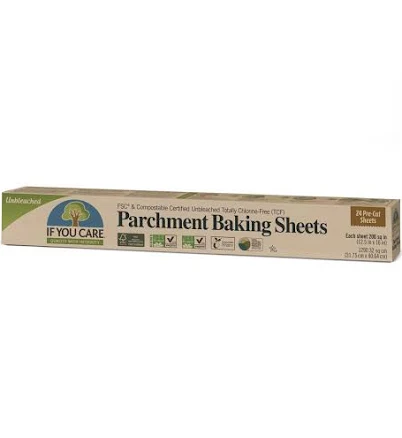
- bleached paper with silicone coating
- The brand calls it PFAS-free, which we have not verified
- Paper degradation and fragmentation
More parchment paper & baking liners grades
How we score, every product runs through the same public 0-100 rubric based on materials, coatings, brand disclosure, lab findings, and recalls. See the full methodology → Spotted a mistake? Report an error.