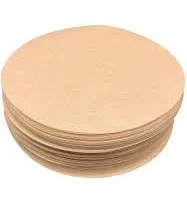
· Parchment Paper & Baking Liners
Eco Friendly Natural Baking Parchment Paper Rounds (All Sizes Available)
Skip this until the brand reveals its coating formula.
This product needs a release coating for nonstick function but provides zero disclosure about what it is. The vague eco-friendly claims remain unverified, leaving you unable to assess whether the coating uses silicone or problematic Teflon-family coating.
The better-graded swap
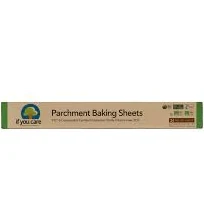
If You Care
Parchment Baking Sheets
90/100 safety
Same rubric that flunked this product. The swap earned Excellent.
Still want this one anyway? Check the price on Amazon. We’d swap it.
Material
paper with unspecified release coating
Brand disclosure
Vague / clean-washing claims
Lab data
No public lab test
You may also be interested in
Top-graded picks in the categories readers replace first, every one scored on the same rubric.

- polypropylene filter housing, carbon/sediment cartridge
- We found no PFAS statement from the brand
- Bacterial growth in spent cartridges
3 hazards checked on this product, all on its full breakdown.

Aquasure
Premier Series 75 GPD Under Sink Reverse Osmosis Water Filtration System
- RO membrane, carbon filters, stainless steel housing
- We found no PFAS statement from the brand
- Bacterial and microbial growth in housing and filters
4 hazards checked on this product, all on its full breakdown.

Avocado
Vegan Mattress
- organic cotton, natural latex, coconut coir, recycled steel coils
- The brand calls it PFAS-free, which we have not verified
- Heavy metals
2 hazards checked on this product, all on its full breakdown.
What Eco Friendly Natural Sizes Available) is made of, ingredients and materials
Parchment paper is cellulose (wood pulp) treated with a release coating to prevent sticking. The coating formula is not disclosed by the brand, which is the core safety concern here. Standard industry coatings include silicone, wax, or fluorinated compounds; The brand has not specified which one. Without knowing the coating type, it is impossible to assess leaching risk or heat stability for this specific product.
What’s concerning
Category baseline
The starting point for this type of product, before anything specific to this product is counted.
Vague safety claims only
Uses vague language ("eco-friendly", "clean") without a specific PFAS statement.
Waterproof / stain-resistant treatment
Water-repellent coating treatments have historically used PFAS.
PFAS
Brand received poor PFAS safety grade (25/100) and has not disclosed whether its coating contains fluorinated compounds. Until the specific coating formula is published, PFAS presence cannot be ruled out.
Source, ATSDR ↗Coating degradation and microparticle shedding
Unspecified coating means heat stability and wear resistance are unknown. Damage or degradation could release particles into food; silicone, wax, and fluorinated coatings behave differently as they age.
Food contact material compliance documentation
No evidence that this product has been tested to FDA or EU food-contact standards. Lack of certification is notable for a product marketed for direct food contact.
What’s reassuring
Silicone leaching (if silicone-coated)
If the coating is silicone, no toxicity concerns are on record at typical baking temperatures. However, the coating type is not confirmed, so this risk cannot be assessed.
Bleach and chemical residues in paper substrate
No information is available on whether the brand uses chlorine-bleached or unbleached cellulose or what processing chemicals remain. This is standard for the category but not disclosed here.
How is this PFAS grade calculated?
The brand's record and disclosure
The brand has provided no public documentation of its coating chemistry, certifications, or PFAS-free claims despite marketing the product as eco-friendly. The poor PFAS safety grade (25/100) reflects this opacity rather than confirmed contamination. No independent testing results, NSF certifications, or supplier transparency statements are on record. This lack of disclosure is inconsistent with claims of environmental responsibility.
How it compares in its category
Many parchment brands now disclose their use of silicone or plant-based coatings and provide PFAS-free certifications; The brand does not. Brands such as If You Care and Unbleached parchment products publish coating details and third-party testing. Without equivalent transparency, this product sits at a disadvantage in a category where competitors have begun addressing PFAS concerns openly.
If you buy it
Do not expose to temperatures above 420 F (typical parchment limit); some coatings degrade and shed particles at higher heat. Replace immediately if coating shows tears, discoloration, or flaking. Do not reuse rounds excessively; coating wear increases residue transfer to food. Request detailed coating information from before purchase; if they cannot provide it, choose a brand that does.
What is not known about PFAS in this product?
- Basis
- Model estimate, 35% confidence, not a lab result
- Lab test
- None on record for this exact product
- Brand statement
- claims it without specifics
Formulations change between production runs, so check the current label. How we grade.
What are the PFAS-free alternatives to Eco Friendly Natural Baking Parchment Paper Rounds (All Sizes Available)?
- silicone-coated parchment paper
- The brand calls it PFAS-free, which we have not verified
- Paper degradation and particulate shedding
- unbleached paper with silicone coating
- The brand calls it PFAS-free, which we have not verified
- Silicone coating degradation at high heat
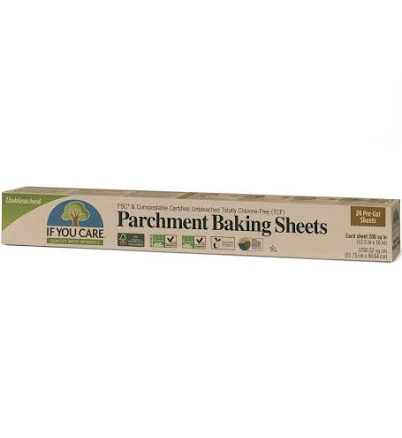
- bleached paper with silicone coating
- The brand calls it PFAS-free, which we have not verified
- Paper degradation and fragmentation
More parchment paper & baking liners grades
How we score, every product runs through the same public 0-100 rubric based on materials, coatings, brand disclosure, lab findings, and recalls. See the full methodology → Spotted a mistake? Report an error.