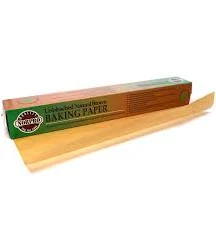
Norpro · Parchment Paper & Baking Liners
Norpro Natural Parchment Paper
Silicone-coated parchment poses lower risk, but coating transparency would help.
Parchment is cellulose based and typically coated with silicone for grease resistance, not Teflon-type coating or known Teflon-family coating. Norpro offers no PFAS statement, and some manufacturers historically used PFAS in grease treatments.
The better-graded swap
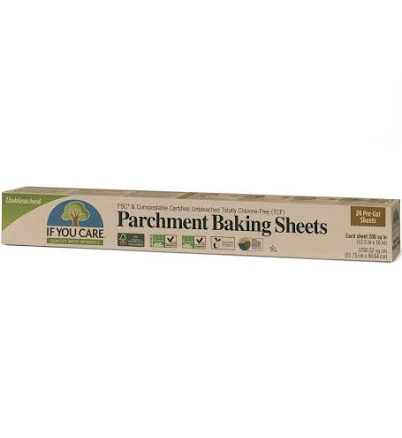
If You Care
If You Care Parchment Baking Sheets
90/100 safety
Same rubric that flunked this product. The swap earned Excellent.
Still want this one anyway? Check the price on Amazon. We’d swap it.
Material
silicone-coated parchment paper
Brand disclosure
Brand is silent on PFAS
Lab data
No public lab test
You may also be interested in
Top-graded picks in the categories readers replace first, every one scored on the same rubric.

- polypropylene filter housing, carbon/sediment cartridge
- We found no PFAS statement from the brand
- Bacterial growth in spent cartridges
3 hazards checked on this product, all on its full breakdown.

Aquasure
Premier Series 75 GPD Under Sink Reverse Osmosis Water Filtration System
- RO membrane, carbon filters, stainless steel housing
- We found no PFAS statement from the brand
- Bacterial and microbial growth in housing and filters
4 hazards checked on this product, all on its full breakdown.

Avocado
Vegan Mattress
- organic cotton, natural latex, coconut coir, recycled steel coils
- The brand calls it PFAS-free, which we have not verified
- Heavy metals
2 hazards checked on this product, all on its full breakdown.
What Norpro Natural Parchment Paper is made of, ingredients and materials
Norpro Natural Parchment Paper is silicone-coated parchment, not the older bleached sulfite base treated with silicone. The silicone coating provides non-stick properties without relying on fluorinated compounds like Teflon-type coating (Teflon). The paper base itself is pulp-derived and chemically inert at normal baking temperatures (up to roughly 400-420°F). Silicone coatings are food-contact-approved by the FDA and do not off-gas volatile organic compounds (VOCs) at typical kitchen use temperatures.
What’s concerning
Category baseline
The starting point for this type of product, before anything specific to this product is counted.
No PFAS disclosure
No public statement from the brand about PFAS in this product.
Waterproof / stain-resistant treatment
Water-repellent coating treatments have historically used PFAS.
Silicone coating leaching at high heat
Silicone is stable at normal baking temperatures but prolonged exposure above 450°F may degrade the bond between paper and coating, allowing trace silicone oligomers to migrate into food. No established recall or contamination case for this brand, but risk exists if product is misused at very high temperatures.
Silicone particle shedding
Heavy or aggressive use (folding, high heat, abrasion during food removal) can cause microscopic silicone particles to shed into baked goods. This is not acutely toxic but represents undesirable food contact. Visually inspect paper before each use and discard if surface appears degraded.
Coating adhesion and delamination over time
Repeated heating and cooling cycles can cause the silicone layer to separate from the paper base, compromising non-stick performance and increasing shed risk. No long-term durability data is published by Norpro; consumer reviews suggest variable lifespan (3-6 months of regular use).
What’s reassuring
Bleach residue or chlorine byproducts in paper base
Norpro does not disclose whether the parchment base is chlorine-bleached or oxygen-bleached. Industry standard suggests chlorine-free processing, but no independent testing of this product for dioxins or chlorinated residues is publicly available. FDA-approved manufacturing processes should render any residual chlorine minimal.
Heavy metals
Silicone coatings do not typically contain aluminum, lead, or cadmium if sourced from reputable suppliers. Norpro's manufacturing standards are not independently verified, but the brand operates under FDA food-contact material regulations.
Source, FDA ↗How is this PFAS grade calculated?
The brand's record and disclosure
Norpro (a Prestige brand subsidiary) does not publish detailed material safety data sheets or independent certifications for this specific product. The brand has not publicly addressed PFAS content or committed to fluorine-free sourcing. No safety recalls, contamination incidents, or third-party testing issues are on public record for this line. Marketing language emphasizes 'natural' origin but lacks transparency on coating sourcing or manufacturing controls.
How it compares in its category
Silicone-coated parchment is a mid-range safety choice within baking liners. It sits above older chlorine-bleached parchments and Teflon-type coating non-stick papers (which can off-gas fumes above 500°F) but below uncoated or minimally processed alternatives. Many commercial bakeries and home cooks choose silicone-coated parchment for its balance of non-stick performance and material stability. Glass baking dishes and cast iron are lower-contamination options if PFAS or coating leaching is a primary concern.
If you buy it
Do not exceed 425°F; silicone coating remains stable at this threshold but prolonged exposure to higher heat may degrade the coating and increase leaching potential. Replace if the paper shows visible pitting, browning, or coating separation. Store in a cool, dry place away from strong solvents or oils; silicone coating is inert but can absorb odors if damaged. Wash hands after handling to avoid transferring any silicone particles to food, though ingestion of small amounts is not acutely toxic.
What is not known about PFAS in this product?
- Basis
- Model estimate, 72% confidence, not a lab result
- Lab test
- None on record for this exact product
- Brand statement
- Norpro has made none
Formulations change between production runs, so check the current label. How we grade.
What are the PFAS-free alternatives to Norpro Natural Parchment Paper?
- silicone-coated parchment paper
- The brand calls it PFAS-free, which we have not verified
- Paper degradation and particulate shedding
- unbleached paper with silicone coating
- The brand calls it PFAS-free, which we have not verified
- Silicone coating degradation at high heat
- bleached paper with silicone coating
- The brand calls it PFAS-free, which we have not verified
- Paper degradation and fragmentation
More parchment paper & baking liners grades
How we score, every product runs through the same public 0-100 rubric based on materials, coatings, brand disclosure, lab findings, and recalls. See the full methodology → Spotted a mistake? Report an error.