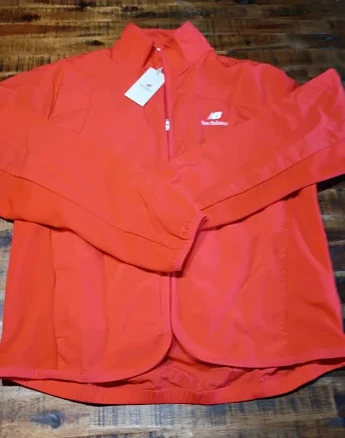
Mens Balance Made In Usa Cycling Jacket Windbreaker Water Resistant
Skip until the brand discloses water-repellent coating treatment details.
The brand does not disclose water-repellent coating chemistry. Water-resistant jackets commonly use PFAS-based treatments; confirm coating details before purchase.
Still want this one anyway? Check the price on Amazon. We’d swap it.
Material
Synthetic fabric with water-resistant water-repellent coating, unspecified
Brand disclosure
Brand is silent on PFAS
Lab data
No public lab test
You may also be interested in
Top-graded picks in the categories readers replace first, every one scored on the same rubric.

- polypropylene filter housing, carbon/sediment cartridge
- We found no PFAS statement from the brand
- Bacterial growth in spent cartridges
3 hazards checked on this product, all on its full breakdown.

Aquasure
Premier Series 75 GPD Under Sink Reverse Osmosis Water Filtration System
- RO membrane, carbon filters, stainless steel housing
- We found no PFAS statement from the brand
- Bacterial and microbial growth in housing and filters
4 hazards checked on this product, all on its full breakdown.

Avocado
Vegan Mattress
- organic cotton, natural latex, coconut coir, recycled steel coils
- The brand calls it PFAS-free, which we have not verified
- Heavy metals
2 hazards checked on this product, all on its full breakdown.
What Mens Balance Made In Usa Water Resistant is made of, ingredients and materials
This jacket uses synthetic fabric (polyester or nylon blend typical for windbreakers) treated with a water-repellent coating (water-repellent coating) coating to shed water. The specific water-repellent coating chemistry is not publicly disclosed by the brand, which is the core safety concern. water-repellent coating treatments historically relied on PFAS compounds, though some manufacturers have shifted to alternatives not linked to PFAS. Without transparency from the brand, the coating composition cannot be verified as lower concern.
What’s concerning
Waterproof / stain-resistant treatment
Water-repellent coating treatments have historically used PFAS.
Vague safety claims only
Uses vague language ("eco-friendly", "clean") without a specific PFAS statement.
Category baseline
The starting point for this type of product, before anything specific to this product is counted.
PFAS
The brand does not disclose whether the water-repellent coating is fluorinated (PFAS-based) or non-fluorinated. If non-fluorinated, alternative chemistries (polysiloxane, wax, hydrocarbon blends) are generally lower-risk but still poorly regulated. The unknown composition prevents full hazard assessment.
Source, ATSDR ↗Microplastic shedding from synthetic fabric
All polyester or nylon windbreakers shed microfibers during washing. This jacket's synthetic construction means repeated laundering releases plastic particles into wastewater. Use of a wash bag or microfiber-capture filter reduces but does not eliminate shedding.
What’s reassuring
Formaldehyde / VOCs
No specific recalls or public health alerts for formaldehyde in cycling jackets. Modern synthetic apparel typically undergoes formaldehyde-free finishing, especially for branded athletic wear, but is not universally guaranteed without certification documentation.
Source, ATSDR ↗Azo dyes in color application
No known issues reported for this product. Apparel is generally not associated with azo dye violations, and most branded athletic jackets meet international textile dye safety standards. Risk is low but unverified for this specific item.
Antimony in polyester fiber
No public health alerts for cycling apparel. Modern polyester manufacturing in developed facilities typically uses antimony catalysts at regulated levels, but independent testing of this specific jacket is not on record.
How is this PFAS grade calculated?
The brand's record and disclosure
The brand has not published a detailed water-repellent coating chemical disclosure policy or commitment to PFAS-free treatment for this product line. The company has faced criticism from environmental groups for lack of transparency on water-resistant coatings across its apparel. The brand does hold some certifications (bluesign, Oeko-Tex) for other product lines, but specific certification status for this windbreaker is not readily available. Silence on water-repellent coating chemistry is a red flag in an industry where alternatives to PFAS now exist.
How it compares in its category
Men's cycling windbreakers with explicit PFAS-free or non-fluorinated water-repellent coating claims are increasingly available from competitors like Patagonia, Arc'teryx, and some direct-to-consumer brands. The brand's lack of disclosure puts this jacket below the transparency standard of leading outdoor apparel makers. Price and fit may be competitive, but chemical safety communication is not. If water-repellent coating durability and water resistance are priorities, competitors openly specify their coating chemistry.
If you buy it
Before purchase, contact customer service directly to ask whether the water-repellent coating treatment contains PFAS or PFOA, and request the coating manufacturer's name. Wash separately from other garments in cold water to minimize microfiber shedding and any potential leaching of coating compounds. Avoid high-heat drying; air-dry to preserve the water-resistant layer and avoid thermal degradation of synthetic fibers. Replace when water beading noticeably declines, typically after 2-3 years of regular use; do not attempt to re-coat without confirming the chemistry of any aftermarket water-repellent coating product does not present PFAS hazards.
What is not known about PFAS in this product?
- Basis
- Model estimate, 35% confidence, not a lab result
- Lab test
- None on record for this exact product
- Brand statement
- has made none
Formulations change between production runs, so check the current label. How we grade.
What are the PFAS-free alternatives to Mens Balance Made In Usa Cycling Jacket Windbreaker Water Resistant?
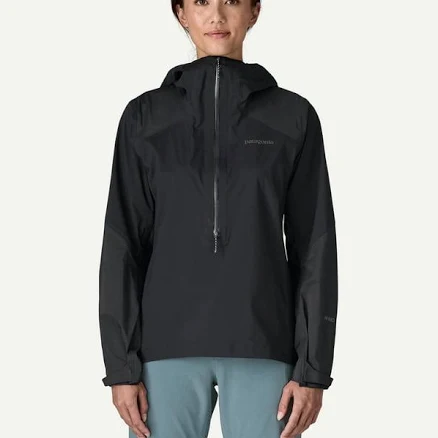
- polyester shell with water-repellent coating finish
- The brand calls it PFAS-free, which we have not verified
- Azo dyes and color fastness
4 hazards checked on this product, all on its full breakdown.
Find an alternative on Amazon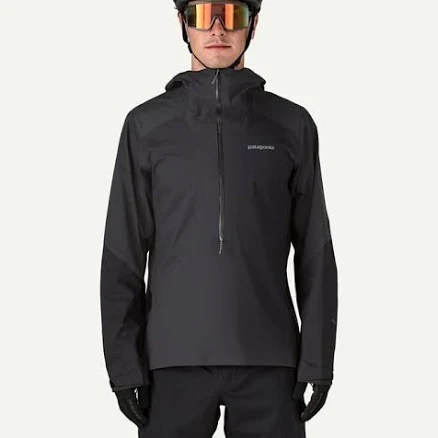
- nylon/polyester with water-repellent coating water treatment
- The brand calls it PFAS-free, which we have not verified
- PFAS
3 hazards checked on this product, all on its full breakdown.
Find an alternative on Amazon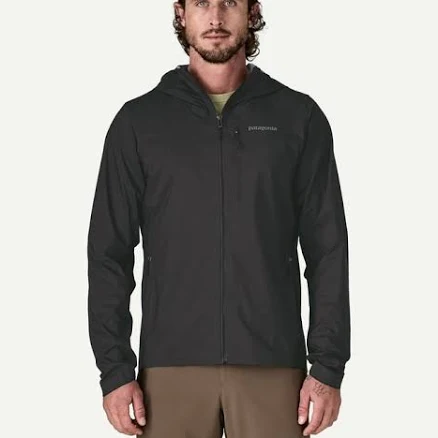
- Nylon with water-repellent coating water-repellent coating finish
- The brand calls it PFAS-free, which we have not verified
- water-repellent coating chemistry opacity (fluorinated vs. non-fluorinated)
3 hazards checked on this product, all on its full breakdown.
Find an alternative on AmazonMore cycling rain jackets grades
How we score, every product runs through the same public 0-100 rubric based on materials, coatings, brand disclosure, lab findings, and recalls. See the full methodology → Spotted a mistake? Report an error.