New Balance · Cycling Rain Jackets
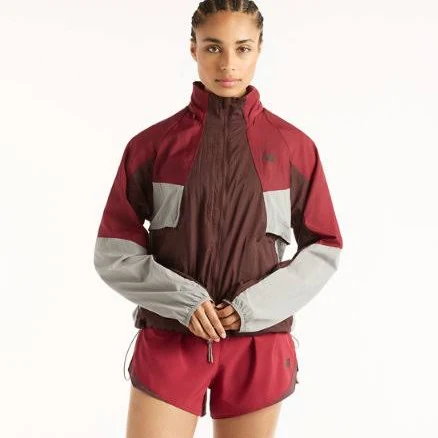
New Balance Women's RC Jacket
No public PFAS disclosure. water-repellent coating jackets often use PFAS; avoid if concerned.
New Balance has not publicly disclosed PFAS content in this RC jacket. Most water-repellent coating-treated athletic jackets contain PFAS-based water repellents unless explicitly stated otherwise.
Still want this one anyway? Check the price on Amazon. We’d swap it.
Material
Synthetic textile with water-repellent coating water-repellent finish
Brand disclosure
Brand is silent on PFAS
Lab data
No public lab test
You may also be interested in
Top-graded picks in the categories readers replace first, every one scored on the same rubric.

- polypropylene filter housing, carbon/sediment cartridge
- We found no PFAS statement from the brand
- Bacterial growth in spent cartridges
3 hazards checked on this product, all on its full breakdown.

Aquasure
Premier Series 75 GPD Under Sink Reverse Osmosis Water Filtration System
- RO membrane, carbon filters, stainless steel housing
- We found no PFAS statement from the brand
- Bacterial and microbial growth in housing and filters
4 hazards checked on this product, all on its full breakdown.

Avocado
Vegan Mattress
- organic cotton, natural latex, coconut coir, recycled steel coils
- The brand calls it PFAS-free, which we have not verified
- Heavy metals
2 hazards checked on this product, all on its full breakdown.
What New Balance Women's RC Jacket is made of, ingredients and materials
The RC Jacket is constructed from synthetic textile (likely polyester or nylon blend) with a water-repellent coating (water-repellent coating) finish applied to the surface. water-repellent coating coatings are chemical treatments designed to bead water without creating a waterproof membrane, and historically most commercial water-repellent coating finishes relied on PFAS "forever chemicals" (PFAS) to achieve this water-repellency. The synthetic base fabric itself is generally stable when worn, but the water-repellent coating degrades with washing and wear, potentially releasing treated particles or residues.
What’s concerning
Waterproof / stain-resistant treatment
Water-repellent coating treatments have historically used PFAS.
Category baseline
The starting point for this type of product, before anything specific to this product is counted.
No PFAS disclosure
No public statement from the brand about PFAS in this product.
PFAS
Synthetic jackets with water-repellent coating finishes typically use PFAS-based chemistry unless explicitly certified otherwise; New Balance provides no disclosure. Exposure occurs primarily during manufacturing and via washing; direct skin contact risk during wear is lower but not eliminated.
Source, ATSDR ↗Antimony in polyester base fabric
If the jacket base fabric is polyester (likely for this category), antimony trioxide may be used as a catalyst in polymer production. Most antimony remains bound in the polymer matrix and poses negligible risk during normal wear, but this is not specific to New Balance.
Microfiber shedding during washing
Synthetic jackets shed microfibers when washed; frequency and quantity increase as the water-repellent coating and fabric degrade. This is a general environmental concern rather than a direct health hazard, but relevant to long-term lifecycle impact.
What’s reassuring
Azo dyes in synthetic textiles
New Balance products are not known to have azo dye violations on record, and synthetic fabrics used in athletic wear are generally subject to informal industry screening. No specific testing data for this jacket model is available.
Formaldehyde / VOCs
Modern synthetic apparel production typically uses low-formaldehyde or formaldehyde-free finishing processes. No public record of formaldehyde issues in New Balance athletic jackets exists, though full disclosure would require independent testing.
Source, ATSDR ↗How is this PFAS grade calculated?
The brand's record and disclosure
New Balance has not made public commitments to eliminate PFAS from apparel water-repellent coating treatments as of available records, and the company does not disclose the specific chemical composition of finishes used in products like this jacket. The brand maintains general sustainability messaging but has not addressed PFAS in synthetic clothing specifically. Without independent testing or third-party certification (such as Bluesign or OEKO-TEX Standard 100 limiting PFAS), there is no verification of the water-repellent coating chemistry in this product.
How it compares in its category
Most mass-market synthetic jackets with water-repellent coating finishes carry identical PFAS uncertainty unless explicitly certified otherwise; New Balance does not distinguish itself in this respect. Premium brands like Patagonia and Arc'teryx have moved toward fluorine-free water-repellent coating or transparent sourcing; budget and mid-tier brands, including New Balance, typically do not provide this information. If PFAS exposure from apparel is a personal priority, certified PFAS-free alternatives exist but are often more expensive and less widely available.
If you buy it
Minimize potential exposure by wearing the jacket in dry conditions when possible and limiting washing frequency, as each wash cycle degrades the water-repellent coating finish and may release residues. Wash separately in cold water on gentle cycles to slow coating breakdown; avoid dry cleaning if possible. Do not tumble dry on high heat, which can accelerate fabric and coating degradation. Monitor for visible coating wear (loss of water beading) and retire the jacket once water-repellent coating performance visibly declines, rather than attempting re-treatment.
What is not known about PFAS in this product?
- Basis
- Model estimate, 45% confidence, not a lab result
- Lab test
- None on record for this exact product
- Brand statement
- New Balance has made none
Formulations change between production runs, so check the current label. How we grade.
What are the PFAS-free alternatives to New Balance Women's RC Jacket?
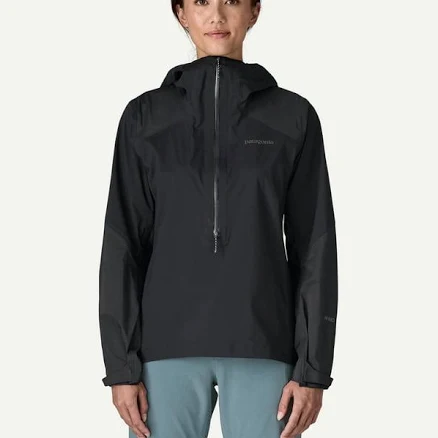
- polyester shell with water-repellent coating finish
- The brand calls it PFAS-free, which we have not verified
- Azo dyes and color fastness
4 hazards checked on this product, all on its full breakdown.
Find an alternative on Amazon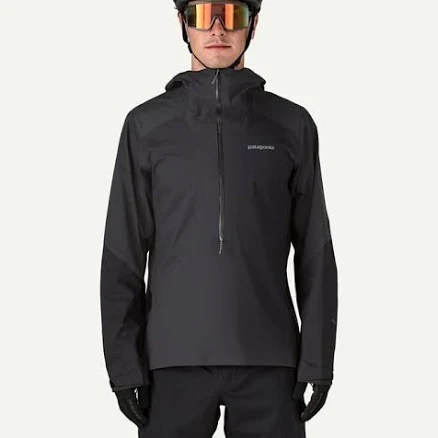
- nylon/polyester with water-repellent coating water treatment
- The brand calls it PFAS-free, which we have not verified
- PFAS
3 hazards checked on this product, all on its full breakdown.
Find an alternative on Amazon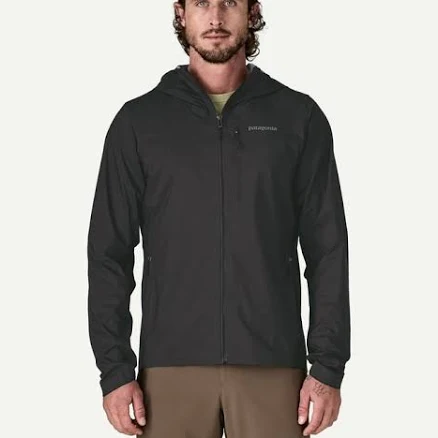
- Nylon with water-repellent coating water-repellent coating finish
- The brand calls it PFAS-free, which we have not verified
- water-repellent coating chemistry opacity (fluorinated vs. non-fluorinated)
3 hazards checked on this product, all on its full breakdown.
Find an alternative on AmazonMore cycling rain jackets grades
How we score, every product runs through the same public 0-100 rubric based on materials, coatings, brand disclosure, lab findings, and recalls. See the full methodology → Spotted a mistake? Report an error.