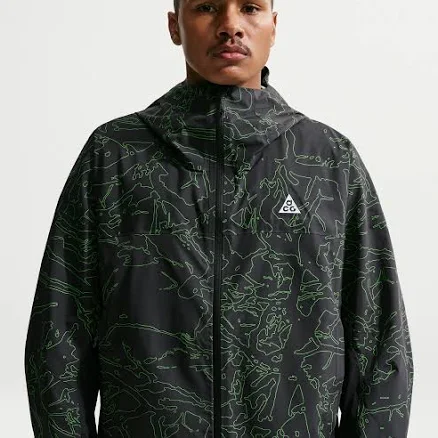
Men's Nike ACG Morpho Storm-FIT ADV Rain Jacket
High PFAS risk from water-repellent coating, Nike provides no transparency.
Rain jackets typically use PFAS-based water-repellent coating treatments. Nike does not disclose coating chemistry or PFAS-free status for this style. Consider requesting detailed material specs before purchase.
Still want this one anyway? Check the price on Amazon. We’d swap it.
Material
Polyester with water-repellent coating water-repellent coating
Lab data
No public lab test
You may also be interested in
Top-graded picks in the categories readers replace first, every one scored on the same rubric.

- polypropylene filter housing, carbon/sediment cartridge
- We found no PFAS statement from the brand
- Bacterial growth in spent cartridges
3 hazards checked on this product, all on its full breakdown.

Aquasure
Premier Series 75 GPD Under Sink Reverse Osmosis Water Filtration System
- RO membrane, carbon filters, stainless steel housing
- We found no PFAS statement from the brand
- Bacterial and microbial growth in housing and filters
4 hazards checked on this product, all on its full breakdown.

Avocado
Vegan Mattress
- organic cotton, natural latex, coconut coir, recycled steel coils
- The brand calls it PFAS-free, which we have not verified
- Heavy metals
2 hazards checked on this product, all on its full breakdown.
What Men's Nike ACG Morpho ADV Rain Jacket is made of, ingredients and materials
This jacket is polyester with a water-repellent coating (water-repellent coating) finish applied to the outer layer. The water-repellent coating is the primary chemical concern, most commercial water-repellent coating treatments use PFAS "forever chemicals" (PFAS) to create water shedding. Polyester itself is stable when worn, but the water-repellent coating finish is where migration and off-gassing risk concentrates. Nike has not publicly disclosed whether this jacket uses fluorinated or fluorine-free water-repellent coating, creating a transparency gap.
What’s concerning
Waterproof / stain-resistant treatment
Water-repellent coating treatments have historically used PFAS.
Category baseline
The starting point for this type of product, before anything specific to this product is counted.
No PFAS disclosure
No public statement from the brand about PFAS in this product.
Azo dyes in polyester
Polyester fabrics, especially athletic/outdoor wear, may contain azo dyes that can release aromatic amines under sweat or UV exposure. No specific testing of this jacket is publicly available; risk is material-class standard rather than brand-specific.
Formaldehyde / VOCs
Water-repellent finishes sometimes contain formaldehyde-releasing compounds for durability. Nike does not disclose finish chemistry, so presence cannot be ruled out, though modern water-repellent coating systems often avoid formaldehyde in favor of fluorinated or silicone binders.
Source, ATSDR ↗water-repellent coating degradation and particle shedding
As water-repellent coating coatings degrade with wear and washing, they can shed microscopic particles into washing machine effluent. This is a wear-life issue rather than acute toxicity, but contributes to environmental PFAS load over the product's lifetime.
Heavy metals
Polyester dyes in dark colorways (this jacket appears to be storm-colored, likely deep gray or black) can contain trace heavy metals (chromium, lead) as dye salts. No testing of this specific product exists; risk is material-class and color-dependent.
Source, FDA ↗What’s reassuring
Antimony in polyester
Polyester catalysts occasionally contain antimony trioxide; no recall or test result links this jacket to antimony content. Risk is low in finished garments but material-class awareness is appropriate.
How is this PFAS grade calculated?
The brand's record and disclosure
Nike has not published comprehensive fabric chemical disclosures for its apparel lines, including the ACG line. The company has faced criticism for opacity on dyes, finishes, and flame retardants across its product range, but no specific recall or enforcement action targets this jacket model. Nike's environmental commitments focus on carbon and water use, not chemical transparency. Lack of third-party certification (e.g., Bluesign, GOTS) for this product limits independent verification of finish chemistry.
How it compares in its category
Most rain jackets in the outdoor/athletic category rely on fluorinated water-repellent coating coatings; alternatives using wax or silicone-based repellents exist but remain niche and typically cost more or shed water less effectively. Nike's ACG line targets performance, not chemical minimalism, so this jacket is typical for its performance tier rather than a leader in lower-concern chemistry. Brands like Patagonia publish water-repellent coating ingredient details and have moved toward fluorine-free options; Nike does not yet offer that transparency as standard.
If you buy it
Wash separately from other fabrics in cool water to reduce potential PFAS migration into your wash water. Avoid heat drying (air dry only); heat can accelerate finish breakdown and off-gassing. water-repellent coating coatings degrade over 40-50 washes, at which point water repellency drops but the jacket remains wearable; do not attempt to reapply water-repellent coating at home without research into the product's chemistry. Consider renting or borrowing for single-use trips if PFAS exposure is a priority concern.
What is not known about PFAS in this product?
- Basis
- Model estimate, 35% confidence, not a lab result
- Lab test
- None on record for this exact product
- Brand statement
- Nike has made a specific claim
Formulations change between production runs, so check the current label. How we grade.
More rain jackets grades
How we score, every product runs through the same public 0-100 rubric based on materials, coatings, brand disclosure, lab findings, and recalls. See the full methodology → Spotted a mistake? Report an error.