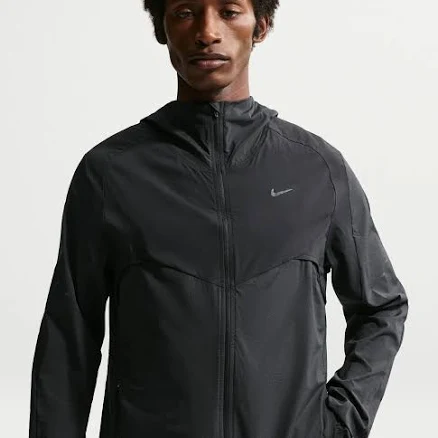
Nike Men's Stride Plus Repel Running Jacket
Running jacket with water-repellent coating; Nike silent on PFAS content.
Nike has not disclosed PFAS use or absence in this Repel jacket. Water-repellent apparel typically uses water-repellent coating treatments, many historically PFAS-based. No independent verification available.
Still want this one anyway? Check the price on Amazon. We’d swap it.
Material
Polyester shell with water-repellent coating water-repellent treatment
Lab data
No public lab test
You may also be interested in
Top-graded picks in the categories readers replace first, every one scored on the same rubric.

- polypropylene filter housing, carbon/sediment cartridge
- We found no PFAS statement from the brand
- Bacterial growth in spent cartridges
3 hazards checked on this product, all on its full breakdown.

Aquasure
Premier Series 75 GPD Under Sink Reverse Osmosis Water Filtration System
- RO membrane, carbon filters, stainless steel housing
- We found no PFAS statement from the brand
- Bacterial and microbial growth in housing and filters
4 hazards checked on this product, all on its full breakdown.

Avocado
Vegan Mattress
- organic cotton, natural latex, coconut coir, recycled steel coils
- The brand calls it PFAS-free, which we have not verified
- Heavy metals
2 hazards checked on this product, all on its full breakdown.
What Nike Men's Stride Running Jacket is made of, ingredients and materials
This jacket uses a polyester shell with a water-repellent coating (water-repellent coating) finish. water-repellent coating coatings historically rely on fluorinated compounds (PFAS) to achieve water-shedding properties, though some manufacturers have switched to non-fluorinated alternatives. Nike has not publicly disclosed whether this Stride Plus model uses legacy PFAS-based water-repellent coating or a fluorine-free formula. Polyester itself is chemically stable when worn but can shed microplastics during washing and contributes to microfiber pollution in waterways.
What’s concerning
Waterproof / stain-resistant treatment
Water-repellent coating treatments have historically used PFAS.
Category baseline
The starting point for this type of product, before anything specific to this product is counted.
No PFAS disclosure
No public statement from the brand about PFAS in this product.
Microplastic shedding from polyester
Polyester garments shed microfibers during washing; studies show synthetic jackets release thousands of fibers per wash. While this is an environmental rather than direct health hazard, inhaled or ingested microplastics from laundering may accumulate in human tissues (emerging research). Washing less frequently and using cold water reduces shedding rate.
Formaldehyde / VOCs
Water-repellent and shape-retention finishes on polyester sometimes use formaldehyde-based resins. Nike does not disclose whether this jacket uses such finishes; off-gassing is typically minimal in finished garments but may occur during initial wear and washing in warm water.
Source, ATSDR ↗Coating degradation and leachable residues
Water-repellent coating coatings can degrade with laundering and heat, potentially releasing residual fluorinated or other chemical compounds into wash water or onto skin. The extent depends on the specific chemistry, which Nike does not publicly specify for this product. Risk is lowest if the jacket is worn dry-cleaned or washed infrequently.
What’s reassuring
Azo dyes
Polyester apparel dyed with azo dyes can release carcinogenic amines under acidic or reducing conditions (sweat, body bacteria). Nike employs dyeing standards in most product lines but does not guarantee azo-free dyes on this model or publish restricted substance lists for individual SKUs, so risk cannot be fully ruled out.
Antimony in polyester
Antimony oxide is used as a catalyst in polyester production and can remain as trace residue. Skin contact with polyester does not typically pose absorption risk, but no specific testing for this Nike model is publicly available. Concern is theoretical rather than documented for apparel.
How is this PFAS grade calculated?
The brand's record and disclosure
Nike does not publicly detail the chemical composition of its water-repellent treatments across product lines, leaving consumers unable to verify PFAS avoidance. The company has made commitments to reduce hazardous chemicals overall but has not committed to complete PFAS phase-out by a specific date or communicated which products already meet fluorine-free standards. This silence is notable given major competitors (Patagonia, Arc'teryx) increasingly disclose or commit to PFAS-free certifications on technical apparel.
How it compares in its category
Running jackets with water-repellent coating coatings are standard in the category; most major brands (Adidas, Brooks, Salomon) similarly lack transparent PFAS disclosure. Patagonia and some specialty outdoor brands now market fluorine-free water-repellent coating as a differentiator, making those alternatives lower-risk if PFAS exposure is a priority. Nike's price point and performance reputation do not offset the chemical transparency gap versus more communicative competitors.
If you buy it
Wash inside-out in cold water on a gentle cycle to reduce microfiber shedding; use a microfiber-catching laundry bag if available. Avoid high heat drying, which can degrade the water-repellent coating faster and potentially volatilize residual chemicals. The water-repellent coating will diminish with repeated washing (typically 50-100 cycles); when water no longer beads, the repellent has worn off and the garment remains wearable, though less water-resistant. Do not dry clean, as solvents can strip and concentrate any residual surface treatments.
What is not known about PFAS in this product?
- Basis
- Model estimate, 45% confidence, not a lab result
- Lab test
- None on record for this exact product
- Brand statement
- Nike has made a specific claim
Formulations change between production runs, so check the current label. How we grade.
More rain jackets grades
How we score, every product runs through the same public 0-100 rubric based on materials, coatings, brand disclosure, lab findings, and recalls. See the full methodology → Spotted a mistake? Report an error.