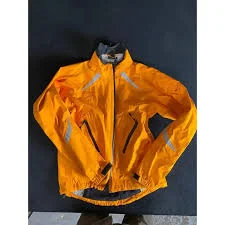
Nike Storm Fit Jacket Cycling Running
water-repellent coating treatment likely contains PFAS. Nike provides no disclosure.
Nike's Storm Fit uses standard water-repellent coating (water-repellent coating) finish, typically PFAS-based, with no public PFAS commitment or testing transparency. No third-party verification available.
Still want this one anyway? Check the price on Amazon. We’d swap it.
Material
Synthetic polyester/nylon with water-repellent coating water-repellent finish
Lab data
No public lab test
You may also be interested in
Top-graded picks in the categories readers replace first, every one scored on the same rubric.

- polypropylene filter housing, carbon/sediment cartridge
- We found no PFAS statement from the brand
- Bacterial growth in spent cartridges
3 hazards checked on this product, all on its full breakdown.

Aquasure
Premier Series 75 GPD Under Sink Reverse Osmosis Water Filtration System
- RO membrane, carbon filters, stainless steel housing
- We found no PFAS statement from the brand
- Bacterial and microbial growth in housing and filters
4 hazards checked on this product, all on its full breakdown.

Avocado
Vegan Mattress
- organic cotton, natural latex, coconut coir, recycled steel coils
- The brand calls it PFAS-free, which we have not verified
- Heavy metals
2 hazards checked on this product, all on its full breakdown.
What Nike Storm Fit Jacket Cycling Running is made of, ingredients and materials
This jacket is polyester and nylon blended with a water-repellent coating (water-repellent coating) finish. water-repellent coating coatings shed water but have historically relied on fluorinated chemicals (PFAS) to work effectively. Nike has not disclosed the specific water-repellent coating chemistry for this model. Polyester and nylon themselves are stable synthetics with low leaching risk in normal wear, but the coating is the primary concern.
What’s concerning
Waterproof / stain-resistant treatment
Water-repellent coating treatments have historically used PFAS.
Category baseline
The starting point for this type of product, before anything specific to this product is counted.
No PFAS disclosure
No public statement from the brand about PFAS in this product.
Antimony in polyester fibers
Polyester synthesis can involve antimony trioxide as a catalyst. Residual antimony in finished fabric is generally very low and migration to skin is not well-documented, but some activist groups flag it as a concern in synthetic textiles. Nike does not publish antimony testing data.
water-repellent coating degradation and leaching
Conventional PFAS-based water-repellent coating coatings will gradually degrade with washing and wear, potentially releasing fluorinated chemicals into wastewater and the environment. Personal skin exposure from a garment is lower risk than environmental release, but indoor washing contributes to household PFAS load.
Microplastics
Polyester and nylon shed microfibers when worn and washed, especially if the fabric is physically abraded. Storm Fit jackets are typically tight weaves, which reduces shedding, but washing still contributes to microplastic release into water systems.
Source, EPA ↗What’s reassuring
Azo dyes
Nike's polyester athletic wear is not known to contain restricted azo dyes based on public recalls or testing. No specific concern on record for this model.
Formaldehyde / VOCs
Polyester and nylon do not typically require formaldehyde-based resins for water repellency. water-repellent coating coatings use fluorinated or non-fluorinated polymers, not formaldehyde. No established risk for this product.
Source, ATSDR ↗How is this PFAS grade calculated?
The brand's record and disclosure
Nike has faced sustained criticism for environmental PFAS pollution at manufacturing sites and has not published a timeline for transitioning to non-fluorinated water-repellent coating alternatives across its apparel line, despite competitors doing so. The company does not provide chemical disclosure on product tags or websites for water-repellent treatments. This opacity is the main red flag; it suggests either continued PFAS use or lack of supply-chain transparency.
How it compares in its category
Most major athletic brands still use conventional PFAS-based water-repellent coating treatments on technical outerwear. Some competitors (Patagonia, Arc'teryx, Salewa) have publicly committed to non-fluorinated alternatives or fluorocarbon-free finishes, though cost is higher. Nike's Storm Fit is mid-to-premium priced but offers no transparency advantage over cheaper alternatives, which weakens its value proposition if PFAS exposure is a concern.
If you buy it
Wash separately in cool water without fabric softener to preserve the water-repellent coating and minimize any potential leaching during laundering. Air dry; do not tumble dry or iron, as heat can degrade coatings and increase chemical migration. The water-repellent coating finish will wear down over 50-100 washes; replacement of the jacket rather than re-treatment presents a lower concern path. Consider this a consumable garment with a 2-3 year lifespan under regular use.
What is not known about PFAS in this product?
- Basis
- Model estimate, 45% confidence, not a lab result
- Lab test
- None on record for this exact product
- Brand statement
- Nike has made a specific claim
Formulations change between production runs, so check the current label. How we grade.
What are the PFAS-free alternatives to Nike Storm Fit Jacket Cycling Running?
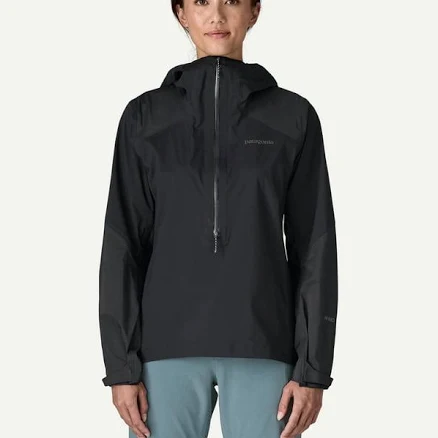
- polyester shell with water-repellent coating finish
- The brand calls it PFAS-free, which we have not verified
- Azo dyes and color fastness
4 hazards checked on this product, all on its full breakdown.
Find an alternative on Amazon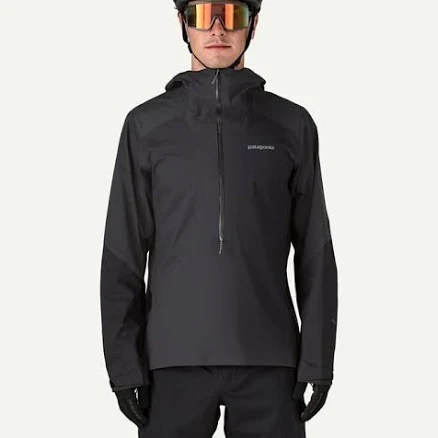
- nylon/polyester with water-repellent coating water treatment
- The brand calls it PFAS-free, which we have not verified
- PFAS
3 hazards checked on this product, all on its full breakdown.
Find an alternative on Amazon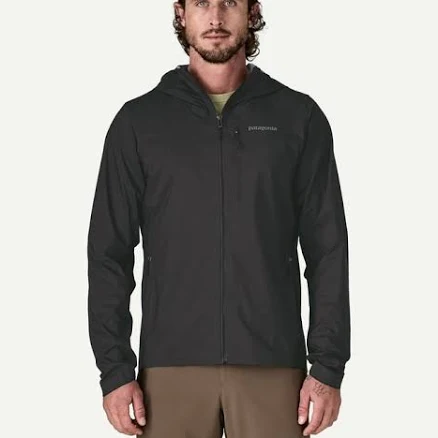
- Nylon with water-repellent coating water-repellent coating finish
- The brand calls it PFAS-free, which we have not verified
- water-repellent coating chemistry opacity (fluorinated vs. non-fluorinated)
3 hazards checked on this product, all on its full breakdown.
Find an alternative on AmazonMore cycling rain jackets grades
How we score, every product runs through the same public 0-100 rubric based on materials, coatings, brand disclosure, lab findings, and recalls. See the full methodology → Spotted a mistake? Report an error.