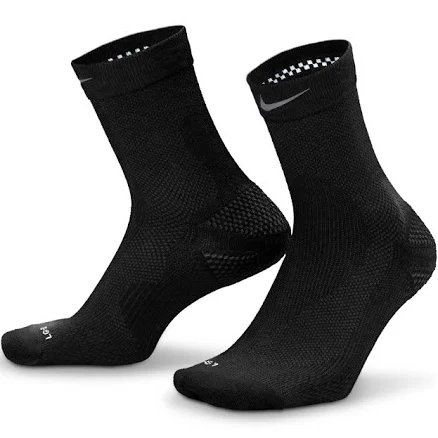
Nike Wool Micro crew Women socks
Lower-concern choice since wool socks rarely require PFAS treatments, but Nike makes no explicit disclosure.
Nike Wool Micro crew socks are made primarily from merino wool, a natural fiber that typically doesn't require fluorinated water repellency treatments. Nike doesn't disclose PFAS-related practices for this product. No independent lab testing or third-party PFAS certification is available.
Still want this one anyway? Check the price on Amazon. We’d swap it.
Material
wool blend (merino wool primary)
Lab data
No public lab test
You may also be interested in
Top-graded picks in the categories readers replace first, every one scored on the same rubric.

- polypropylene filter housing, carbon/sediment cartridge
- We found no PFAS statement from the brand
- Bacterial growth in spent cartridges
3 hazards checked on this product, all on its full breakdown.

Aquasure
Premier Series 75 GPD Under Sink Reverse Osmosis Water Filtration System
- RO membrane, carbon filters, stainless steel housing
- We found no PFAS statement from the brand
- Bacterial and microbial growth in housing and filters
4 hazards checked on this product, all on its full breakdown.

Avocado
Vegan Mattress
- organic cotton, natural latex, coconut coir, recycled steel coils
- The brand calls it PFAS-free, which we have not verified
- Heavy metals
2 hazards checked on this product, all on its full breakdown.
What Nike Wool Micro crew Women socks is made of, ingredients and materials
Merino wool is the primary fiber, blended with synthetic (likely nylon or polyester) for durability and moisture management. Wool itself requires fewer chemical finishes than synthetic fabrics because it is naturally antimicrobial and elastic. The blend ratio and synthetic component will determine exposure to dyes and processing chemicals; typical performance socks use minimal flame retardants since socks are low-flammability garments.
What’s concerning
Category baseline
The starting point for this type of product, before anything specific to this product is counted.
No PFAS disclosure
No public statement from the brand about PFAS in this product.
Azo dyes
Wool socks are typically dyed; standard industry practice uses azo dyes unless brand specifies low-impact dyes. Nike does not publicly commit to azo-free dyes for this product, though its restricted substances list implies controls on carcinogenic aromatic amines derived from azo decomposition.
Formaldehyde / VOCs
Wool blends may include small amounts of formaldehyde-based cross-linking resins in yarn preparation or color-fastening, though wool garments typically require less than synthetic-dominant fabrics. Off-gassing is minimal in socks given their small surface area and ventilated wear.
Source, ATSDR ↗Synthetic fiber shedding and microfiber release
Blended socks shed synthetic fibers (nylon, polyester) in wash; merino content reduces overall microfiber shed versus 100% synthetic socks, but the synthetic component will contribute to aquatic microplastics in wastewater.
Antimony in polyester blends
If the synthetic component is polyester (common in performance blends), it may contain trace antimony as a catalyst. Skin exposure from wearing socks is minimal; primary concern is worker exposure during manufacture, not consumer use.
What’s reassuring
Base material not linked to PFAS
The main material recorded for this product is not one associated with PFAS.
Heavy metals
No recalls or public data suggest heavy metal contamination in Nike merino socks. Standard wool dyeing avoids chromium and lead-based colorants, but independent testing is not disclosed by Nike for this product line.
Source, FDA ↗How is this PFAS grade calculated?
The brand's record and disclosure
Nike has faced scrutiny for chemical use in manufacturing but has published a restricted substances list and engaged third-party audits of factories. The company does not publicly disclose PFAS content or treatment claims for socks specifically, which is typical for the footwear industry. No major recalls or chemical contamination incidents are on record for Nike wool socks. This product line sits within Nike's mainstream performance line with standard quality control.
How it compares in its category
Wool-blend performance socks are considered a lower-chemical category versus synthetic-dominant alternatives because wool needs fewer antimicrobial or moisture-wicking chemical coatings. Merino blends are positioned as premium within performance socks, often marketed as naturally odor-resistant. PFAS is used in some synthetic socks for water-repellency; wool's inherent properties may reduce the need for such treatments, making this product lower concern within the performance sock category.
If you buy it
Wash in warm water with mild detergent; avoid bleach and fabric softeners, which can degrade wool and may deposit chemical residues. Merino wool socks remain durable through 50+ wash cycles if not exposed to excessive heat or agitation. Replace when elastic fails or thinning occurs in high-wear areas (heel, ball of foot), typically 12-18 months of regular use. Air dry to extend life and avoid potential shrinkage or coating degradation.
What is not known about PFAS in this product?
- Basis
- Model estimate, 72% confidence, not a lab result
- Lab test
- None on record for this exact product
- Brand statement
- Nike has made a specific claim
Formulations change between production runs, so check the current label. How we grade.
More performance socks grades
How we score, every product runs through the same public 0-100 rubric based on materials, coatings, brand disclosure, lab findings, and recalls. See the full methodology → Spotted a mistake? Report an error.