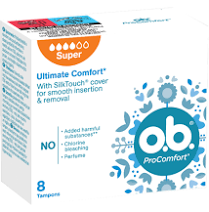
o.b. ProComfort Tampons
Lower concern; no evidence of PFAS use in core material.
o.b. ProComfort tampons are rayon and cotton fiber without disclosed coatings or water-resistant treatments. No public PFAS testing or claims found; brand remains silent on the topic.
We flunk more products than we pass. This one earned its grade. How we grade
Material
rayon and cotton fiber
Brand disclosure
Brand is silent on PFAS
Lab data
No public lab test
You may also be interested in
Top-graded picks in the categories readers replace first, every one scored on the same rubric.

- polypropylene filter housing, carbon/sediment cartridge
- We found no PFAS statement from the brand
- Bacterial growth in spent cartridges
3 hazards checked on this product, all on its full breakdown.

Aquasure
Premier Series 75 GPD Under Sink Reverse Osmosis Water Filtration System
- RO membrane, carbon filters, stainless steel housing
- We found no PFAS statement from the brand
- Bacterial and microbial growth in housing and filters
4 hazards checked on this product, all on its full breakdown.

Avocado
Vegan Mattress
- organic cotton, natural latex, coconut coir, recycled steel coils
- The brand calls it PFAS-free, which we have not verified
- Heavy metals
2 hazards checked on this product, all on its full breakdown.
What o.b. ProComfort Tampons is made of, ingredients and materials
o.b. ProComfort tampons are composed of a rayon and cotton fiber blend. Rayon is a regenerated cellulose fiber derived from wood pulp; cotton is a natural plant fiber. Neither material is inherently prone to leaching heavy metals or endocrine disruptors. The core absorbent structure does not rely on synthetic polymer coatings or chlorine bleaching, which reduces chemical exposure during intimate contact.
What’s concerning
Category baseline
The starting point for this type of product, before anything specific to this product is counted.
No PFAS disclosure
No public statement from the brand about PFAS in this product.
Bacterial contamination during storage or use
Moist rayon-cotton fibers are susceptible to bacterial or fungal growth if stored in humid conditions or if left in the vagina beyond recommended intervals. This is a hygiene risk inherent to the product category, not specific to o.b., and is managed by frequent changes and dry storage.
What’s reassuring
Base material not linked to PFAS
The main material recorded for this product is not one associated with PFAS.
Pesticide residue
O.b. does not specify organic certification or pesticide testing for cotton content. Residual pesticide levels in non-organic cotton fiber used in tampons have not been documented as a clinical concern in published safety literature, though trace exposures are theoretically possible.
Source, EPA ↗Bleach residues (chlorine/dioxins)
Procter & Gamble does not disclose bleaching method (elemental chlorine, ECF, or TCF) for o.b. tampons. FDA oversight of bleached cellulose in menstrual products does not flag dioxin or chlorine residue as a reported hazard for major brands, but disclosure would enable full assessment.
Allergic contact dermatitis or vaginal irritation
Rayon and cotton are low-irritancy fibers; no specific allergic reactions to o.b. ProComfort have been documented in medical literature. Individual sensitivity is possible but uncommon and would be specific to the person, not the product formula.
Talc or talc-like powder contaminants
O.b. tampons are not marketed with an applicator or external powder coating. No talc residue has been reported or is known to be used in this product line.
How is this PFAS grade calculated?
The brand's record and disclosure
Procter & Gamble (o.b.'s parent company) does not publicly disclose detailed composition, bleaching methods, or pesticide residue testing for this product line. The brand has not faced established recalls or toxicology warnings specific to o.b. tampons in public databases. Industry-standard FDA compliance and absorbency testing are assumed but specific third-party certifications (e.g., organic, hypoallergenic) are not marketed for ProComfort.
How it compares in its category
Rayon-cotton blends are mainstream in conventional tampon design and carry a lower chemical hazard profile than fully synthetic or bleached products. Organic cotton and viscose alternatives exist but often command higher prices; ProComfort sits in the mid-market tier without added marketing claims. No published comparative safety data elevates or demotes o.b. relative to other major rayon-cotton brands in routine menstrual use.
If you buy it
Change tampons every 4-8 hours to reduce stasis and bacterial overgrowth risk, regardless of absorbency rating. Store in a dry place; damp environments may encourage microbial growth before use. Discontinue use if vaginal irritation, unusual odor, or rash develops, as individual sensitivity to cotton or rayon fibers is possible but not common. No heat or moisture exposure during manufacturing or storage is required; room temperature is standard.
What is not known about PFAS in this product?
- Basis
- Model estimate, 72% confidence, not a lab result
- Lab test
- None on record for this exact product
- Brand statement
- OB has made none
Formulations change between production runs, so check the current label. How we grade.
What are the PFAS-free alternatives to o.b. ProComfort Tampons?
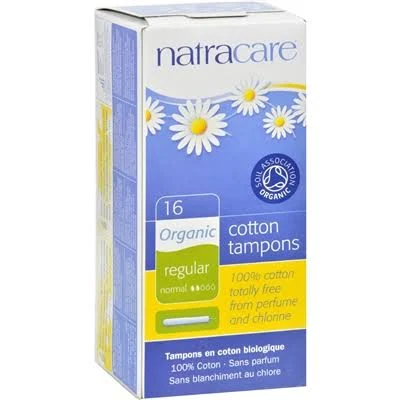
- 100% organic cotton
- A third party reports verifying it as PFAS-free
- Heavy metals
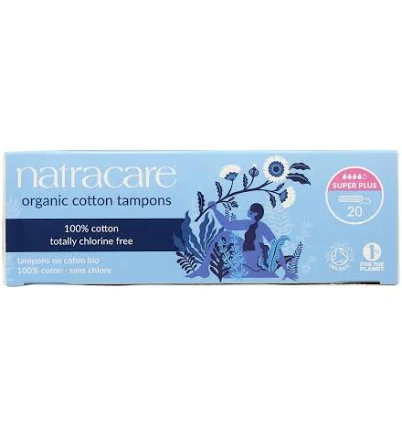
Natracare
Organic Super Plus Tampons, 3 x 20 ct
- organic cotton, cardboard applicator
- The brand calls it PFAS-free, which we have not verified
- Dioxins from bleaching
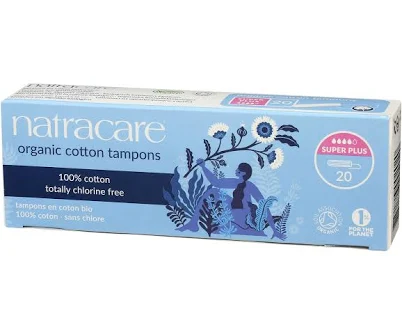
Natracare
Organic Cotton Super Plus Tampons
- organic cotton, no added fluorochemicals
- The brand calls it PFAS-free, which we have not verified
- Verified PFAS-free by a third party
More tampons grades
How we score, every product runs through the same public 0-100 rubric based on materials, coatings, brand disclosure, lab findings, and recalls. See the full methodology → Spotted a mistake? Report an error.