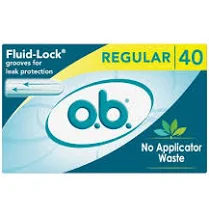
o b Tampons
Lower concern; no known PFAS risks in standard tampons.
OB tampons use absorbent rayon/cotton and plastic applicators with no disclosed coatings. No public PFAS detections or brand claims either way; standard period care carries lower risk.
We flunk more products than we pass. This one earned its grade. How we grade
Material
rayon or cotton absorbent core, plastic applicator
Brand disclosure
Brand is silent on PFAS
Lab data
No public lab test
You may also be interested in
Top-graded picks in the categories readers replace first, every one scored on the same rubric.

- polypropylene filter housing, carbon/sediment cartridge
- We found no PFAS statement from the brand
- Bacterial growth in spent cartridges
3 hazards checked on this product, all on its full breakdown.

Aquasure
Premier Series 75 GPD Under Sink Reverse Osmosis Water Filtration System
- RO membrane, carbon filters, stainless steel housing
- We found no PFAS statement from the brand
- Bacterial and microbial growth in housing and filters
4 hazards checked on this product, all on its full breakdown.

Avocado
Vegan Mattress
- organic cotton, natural latex, coconut coir, recycled steel coils
- The brand calls it PFAS-free, which we have not verified
- Heavy metals
2 hazards checked on this product, all on its full breakdown.
What o b Tampons is made of, ingredients and materials
OB tampons use a rayon or cotton absorbent core (exact blend not publicly disclosed by brand) wrapped in a plastic applicator made from polystyrene or similar rigid thermoplastic. Rayon is a regenerated cellulose fiber produced via chemical processing; cotton is a natural fiber. Both are absorbent and non-toxic when in contact with vaginal tissue. The plastic applicator is a single-use component that does not enter the body and poses minimal leaching risk during normal insertion.
What’s concerning
Category baseline
The starting point for this type of product, before anything specific to this product is counted.
No PFAS disclosure
No public statement from the brand about PFAS in this product.
Dioxins and furans from rayon processing
Rayon production historically involved chlorine-bleaching steps that can generate trace dioxins; modern mills use elemental chlorine-free or totally chlorine-free processes. OB does not publicly disclose its rayon suppliers or bleaching methods, so residual dioxin levels are not verifiable from available information.
Allergic contact dermatitis from fibers or dyes
Cotton and rayon are generally hypoallergenic, but individual sensitivity to undisclosed dyes, fragrances, or finishing agents in the core cannot be ruled out without ingredient transparency. OB tampons are unscented, which reduces fragrance-allergen risk compared to scented variants.
Toxic shock syndrome (TSS) from bacterial overgrowth
TSS is a recognized but rare risk for all tampon use, including OB, and is not specific to this brand. Risk is mitigated by changing tampons every 4-8 hours and selecting the lowest absorbency needed for your flow.
What’s reassuring
Base material not linked to PFAS
The main material recorded for this product is not one associated with PFAS.
Plastic applicator leachables
Rigid polystyrene applicators do not typically leach BPA or phthalates under normal vaginal pH and temperature. No recalls or adverse-event reports specific to OB applicators have been identified; risk is considered low for standard single-use contact.
Formaldehyde / VOCs
Formaldehyde resins are not standard in tampon core manufacture. OB does not disclose use of formaldehyde-releasing finishes; based on typical industry practice for absorbent textiles, none is expected, but lack of transparency prevents full verification.
Source, ATSDR ↗How is this PFAS grade calculated?
The brand's record and disclosure
Edgewell Personal Care (OB's parent company) does not publicly release detailed ingredient lists, certifications, or chemical-testing summaries for OB tampons. The brand has not made prominent commitments to third-party menstrual-product safety certifications (such as GOTS for organic, or independent PFAS/heavy-metal testing). No major product recalls or safety controversies have been reported for OB tampons in the U.S. market. Disclosure on manufacturing practices and chemical processing remains minimal compared to some competitors.
How it compares in its category
OB tampons are a mainstream, mass-market option with a long history of use and no established safety red flags. Some competitor brands now highlight organic certification, third-party testing for PFAS and dioxins, or vegan/cruelty-free positioning. OB does not market on these attributes, making it a conventional rather than premium or transparency-focused choice. Price and availability are stronger selling points than documented safety advantages.
If you buy it
Use applicator-free or applicator tampons according to manufacturer guidance and personal comfort; ensure clean hands during insertion to prevent bacterial contamination. Change tampons every 4-8 hours and do not leave in place for more than 8 hours to reduce toxic shock syndrome (TSS) risk, a recognized concern for all tampons regardless of brand. Dispose of applicators in household trash or dedicated disposal units, not toilets. If you experience irritation, odor, or unusual discharge, discontinue use and consult a healthcare provider.
What is not known about PFAS in this product?
- Basis
- Model estimate, 72% confidence, not a lab result
- Lab test
- None on record for this exact product
- Brand statement
- OB has made none
Formulations change between production runs, so check the current label. How we grade.
What are the PFAS-free alternatives to o b Tampons?
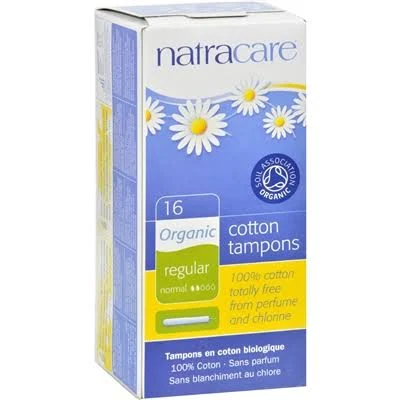
- 100% organic cotton
- A third party reports verifying it as PFAS-free
- Heavy metals
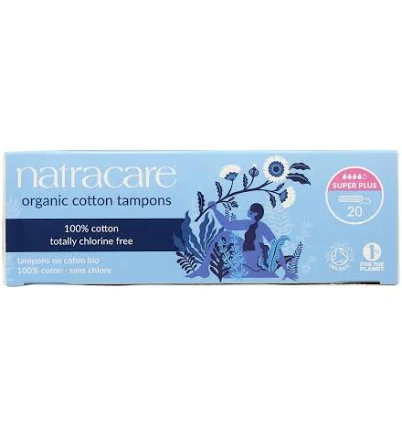
Natracare
Organic Super Plus Tampons, 3 x 20 ct
- organic cotton, cardboard applicator
- The brand calls it PFAS-free, which we have not verified
- Dioxins from bleaching
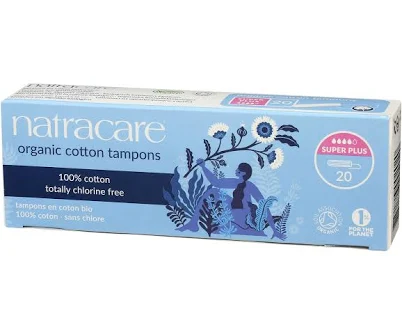
Natracare
Organic Cotton Super Plus Tampons
- organic cotton, no added fluorochemicals
- The brand calls it PFAS-free, which we have not verified
- Verified PFAS-free by a third party
More tampons grades
How we score, every product runs through the same public 0-100 rubric based on materials, coatings, brand disclosure, lab findings, and recalls. See the full methodology → Spotted a mistake? Report an error.