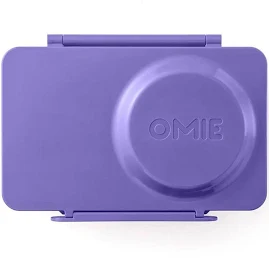
Omie Life OmieBox UP Insulated Bento Box (9+ years) - Galaxy Purple
Limited disclosure; bento boxes generally lower PFAS concern but verify material specs.
Omie Life does not publicly disclose PFAS information for this bento box. Standard rigid plastic lunch containers pose lower inherent PFAS risk than coated cookware or treated textiles, but brand transparency is absent.
We flunk more products than we pass. This one earned its grade. How we grade
Material
Plastic bento box, stainless steel hardware
Brand disclosure
Brand is silent on PFAS
Lab data
No public lab test
What Omie Life OmieBox UP Insulated Bento Box is made of, ingredients and materials
The OmieBox UP is constructed from rigid plastic (material type not publicly specified by brand, but typical for this category is polypropylene or similar food-grade rigid polymer) with stainless steel clips and hinges. Rigid plastics used in bento boxes generally do not leach significant BPA or phthalates under normal cold and room-temperature food storage, as these chemicals are more mobile in soft plastics and at elevated temperatures. The stainless steel hardware is inert and poses no leaching concern for typical use.
What’s concerning
Category baseline
The starting point for this type of product, before anything specific to this product is counted.
No PFAS disclosure
No public statement from the brand about PFAS in this product.
Microplastics
Any rigid plastic food container can shed microparticles if scratched, cracked, or aged significantly. Risk is low under normal use and care, but inspect for visible wear. No specific degradation issue has been reported for this model.
Source, EPA ↗Bacterial or mold growth in seals and compartment edges
Bento boxes with multiple compartments and seal joints trap moisture if not dried promptly. This is a maintenance issue, not a material hazard; proper drying after each wash mitigates risk.
What’s reassuring
Base material not linked to PFAS
The main material recorded for this product is not one associated with PFAS.
BPA & bisphenols
Rigid polypropylene and similar food-grade plastics used in bento boxes are not known to leach BPA or BPS under normal cold storage. No reports of BPA or BPS contamination specific to OmieBox UP exist in public records.
Source, FDA ↗Phthalates
Phthalate plasticizers are uncommon in rigid food-contact plastics. The OmieBox UP's rigid plastic construction does not appear to incorporate phthalate-containing polymers on available evidence, and no contamination reports are on record.
Source, ATSDR ↗Stainless steel hardware corrosion or nickel release
Food-grade stainless steel (typically 304 or 18/8) is resistant to corrosion and nickel leaching under normal use. No corrosion or contamination issues specific to OmieBox UP hardware are documented.
The full breakdown
The brand's record and disclosure
Omielife does not publicly disclose detailed material specifications or third-party testing for this product on their website or packaging materials reviewed in public records. The brand has not issued recalls related to chemical leaching or food safety for this model. No independent certifications (e.g., BPA-free claims, FDA compliance statements) are prominently advertised, which reflects a common gap in transparency for this product category rather than a red flag specific to Omielife.
How it compares in its category
Rigid plastic bento boxes are generally lower concern than soft silicone, melamine, or vinyl lunch containers for chemical migration. The OmieBox UP's stainless steel hardware is a step above plastic-only designs. Competing models (e.g., Bentgo Kids, Sistema) offer similar material profiles with no substantively lower or higher documented hazard profiles. Most brands in this segment provide limited material transparency, so Omielife is not an outlier in that regard.
If you buy it
Do not microwave the plastic compartments or lids, as heating can increase polymer leaching risk; hand wash with warm soapy water and dry promptly to prevent mold or bacterial growth in seal joints. Inspect the plastic for cracks, cloudiness, or degradation every 6 to 12 months; replace if damage is visible. Keep it out of direct sunlight during storage, as UV exposure can degrade plastic over time. Use only for cold or room-temperature foods unless manufacturer guidance explicitly permits warm food contact.
What we don’t know
- Basis
- Model estimate, 45% confidence, not a lab result
- Lab test
- None on record for this exact product
- Brand statement
- Omielife has made none
Formulations change between production runs, so check the current label. How we grade.
Better-graded alternatives in Lunch Boxes
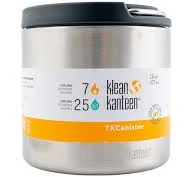
Klean Kanteen
Double Wall Vacuum Insulated Stainless Steel Food Canister Container with Leak Proof Lid
- Stainless steel body, silicone gasket lid seal
- The brand calls it PFAS-free, which we have not verified
- Silicone gasket degradation
3 hazards checked on this product. See all of them.
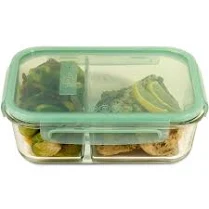
Snapware
Meal Box Glass
- borosilicate glass
- We found no PFAS statement from the brand
- Leaching from glass matrix or lid seals
2 hazards checked on this product. See all of them.
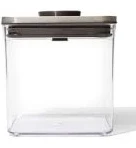
OXO
Steel Pop Big Square Short - 2.8 Qt/2.6 l
- Stainless steel container, no surface treatment
- Lid/gasket polymer leaching
3 hazards checked on this product. See all of them.
More lunch boxes grades
How we score, every product runs through the same public 0-100 rubric based on materials, coatings, brand disclosure, lab findings, and recalls. See the full methodology → Spotted a mistake? Report an error.