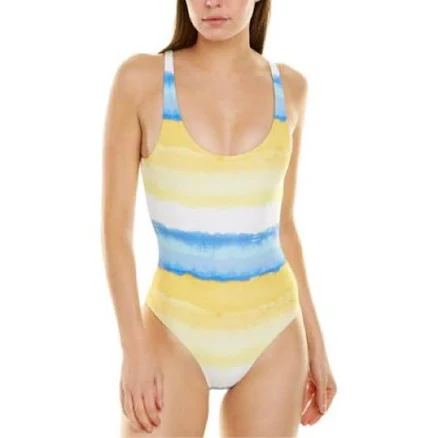
Onia Rachel Watercolor Stripe Scoop Back Swimsuit
Avoid if PFAS-concerned. Swimwear water-repellent coating treatments commonly contain PFAS, and Onia doesn't disclose.
Onia Rachel swimsuit is a nylon-blend piece with water-repellent treatment typical of performance swimwear. The brand doesn't publicly disclose PFAS in their water-repellent coating finishes, a common PFAS application in swimwear. Without third-party testing or a PFAS-free claim, PFAS presence is uncertain.
The better-graded swap
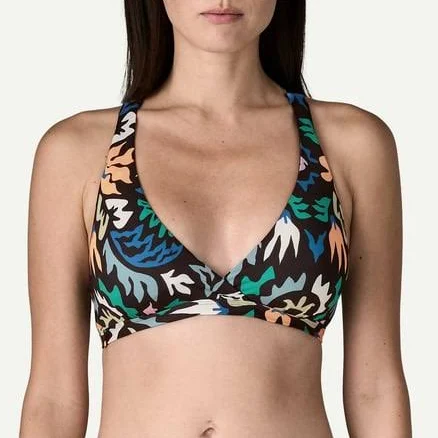
Patagonia
Patagonia Women's Bottom Turn Racerback Bikini Top
90/100 safety
Same rubric that flunked this product. The swap earned Excellent.
Still want this one anyway? Check the price on Amazon. We’d swap it.
Material
Nylon/polyamide blend (swimsuit fabric), likely with water-repellent coating finish
Brand disclosure
Brand is silent on PFAS
Lab data
No public lab test
What Onia Rachel Watercolor Stripe Scoop Back is made of, ingredients and materials
This swimsuit is constructed from nylon/polyamide blend, a synthetic fiber chosen for elasticity, quick-dry properties, and chlorine resistance in pool environments. The watercolor stripe design involves dyes applied to the nylon base. Critically, the garment almost certainly carries a water-repellent coating (water-repellent coating) finish applied during manufacturing to enhance water beading and quick-dry performance. water-repellent coating finishes in swimwear are historically formulated with long-chain PFAS compounds (PFAS "forever chemicals") that persist in the environment and bioaccumulate in human tissue.
What’s concerning
Category baseline
The starting point for this type of product, before anything specific to this product is counted.
No PFAS disclosure
No public statement from the brand about PFAS in this product.
Waterproof / stain-resistant treatment
Water-repellent coating treatments have historically used PFAS.
Azo dyes in watercolor stripe printing
Nylon dyes may include azo compounds; while most are non-carcinogenic under regulation, some lower-cost dyes can release aromatic amines under sweat/chlorine exposure. Onia does not disclose dye class. Risk is low for brief wear but increases with frequent use in pool chlorine.
Microplastic shedding from synthetic fiber
Nylon swimwear sheds microplastics during washing and wear, particularly when washed in machines or exposed to chlorine/salt stress. This is inherent to all synthetic swimwear and not specific to Onia, but relevant to overall body and environmental exposure.
Formaldehyde / VOCs
Some swimwear dyes use formaldehyde-releasing condensation resins to fix color to nylon. Onia does not disclose use or non-use; risk is moderate but not confirmed for this specific product. Rinsing and air-drying reduce skin contact.
Source, ATSDR ↗Elastane (spandex) degradation under chlorine
Nylon-spandex blends are vulnerable to chlorine breakdown, which shortens fabric life and can release oligomers (small plastic fragments). This is not a safety hazard per se but signals chemical stress and faster replacement cycles.
What’s reassuring
Heavy metals
No recalls or test reports for lead, cadmium, or other heavy metals in Onia swimwear colorants have been documented. Industry regulation of textile dyes in the US/EU is moderately stringent, making this a low concern relative to imported fast-fashion alternatives.
Source, FDA ↗The full breakdown
The brand's record and disclosure
Onia has not published public commitments to PFAS phase-out, SaferChemicals certification, or transparency about water-repellent coating treatment chemistry on this garment or others in their swimwear line. Major swimwear competitors (e.g., Patagonia) have begun transitioning to PFAS-free water repellent alternatives or disclosing their use; Onia's silence on this issue is notable given industry awareness. No recalls, lead contamination, or formaldehyde-resin issues are on record for Onia swimwear.
How it compares in its category
Standard nylon swimwear with water-repellent coating finish is the industry norm; this product is typical in chemical footprint for mid-to-premium brands that do not explicitly market PFAS-free status. Alternatives certified GOTS (Global Organic Textile Standard) or explicitly PFAS-free (e.g., some Patagonia, Finisterre styles) exist but are fewer and often costlier. Onia's lack of transparency puts this product in the cautious category relative to brands making active ingredient disclosures.
If you buy it
Rinse thoroughly in fresh water after each saltwater or chlorinated pool use to remove residual chemicals and salt that accelerate fabric degradation. Air-dry away from direct heat and sunlight to preserve elasticity and color; nylon degrades under prolonged UV exposure. Hand-wash gently in cool water with mild detergent every 3-5 wears; machine washing and hot water accelerate wear and chemical leaching. Replace when elastic loses tension, seams fray, or colors fade significantly, typically within 1-2 years of regular use. Avoid fabric softeners and bleach, which compound microplastic shedding.
What we don’t know
- Basis
- Model estimate, 35% confidence, not a lab result
- Lab test
- None on record for this exact product
- Brand statement
- Onia has made none
Formulations change between production runs, so check the current label. How we grade.
Better-graded alternatives in Swimwear
Patagonia
Women's Bottom Turn Racerback Bikini Top
- Nylon/polyester blend with elastane (standard swimwear)
- The brand calls it PFAS-free, which we have not verified
- Elastane (spandex) degradation under heat or chlorine
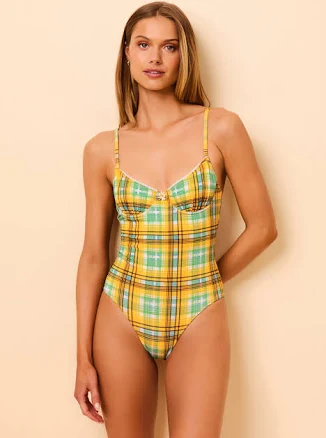
Solid & Striped
Taylor One Piece Seersucker Plaid
- Cotton/cotton-blend seersucker plaid
- We found no PFAS statement from the brand
- Azo dyes and colorfast stability
2 hazards checked on this product. See all of them.
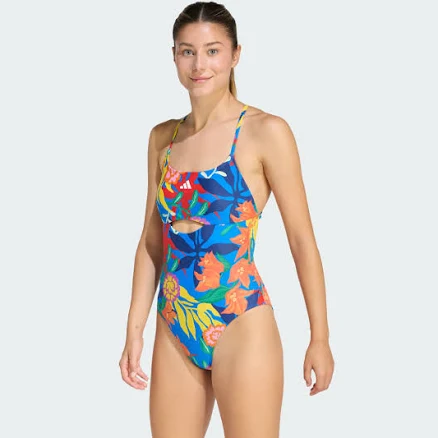
Adidas
Women's Mexicana Florals Tie-Back Swimsuit
- Polyester/nylon swimsuit fabric, likely uncoated or standard finish
- Azo dyes and synthetic colorants
4 hazards checked on this product. See all of them.
More swimwear grades
How we score, every product runs through the same public 0-100 rubric based on materials, coatings, brand disclosure, lab findings, and recalls. See the full methodology → Spotted a mistake? Report an error.