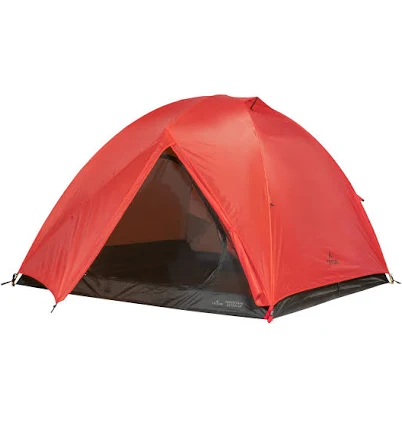
TETON Sports · Camping Tents & Tarps
Mountain Ultra Tents
Skip until clarity obtained.
This tent uses a water-repellent coating standard to outdoor fabric that historically relied on fluorochemicals. The brand makes no statement about PFAS.
Still want this one anyway? Check the price on Amazon. We’d swap it.
Material
Nylon/polyester with water-repellent coating (water-repellent coating) coating
Brand disclosure
Brand is silent on PFAS
Lab data
No public lab test
You may also be interested in
Top-graded picks in the categories readers replace first, every one scored on the same rubric.

- polypropylene filter housing, carbon/sediment cartridge
- We found no PFAS statement from the brand
- Bacterial growth in spent cartridges
3 hazards checked on this product, all on its full breakdown.

Aquasure
Premier Series 75 GPD Under Sink Reverse Osmosis Water Filtration System
- RO membrane, carbon filters, stainless steel housing
- We found no PFAS statement from the brand
- Bacterial and microbial growth in housing and filters
4 hazards checked on this product, all on its full breakdown.

Avocado
Vegan Mattress
- organic cotton, natural latex, coconut coir, recycled steel coils
- The brand calls it PFAS-free, which we have not verified
- Heavy metals
2 hazards checked on this product, all on its full breakdown.
What Mountain Ultra Tents is made of, ingredients and materials
Mountain Ultra Tents use nylon and polyester fabric with a water-repellent coating (water-repellent coating) coating applied to the outer surface. water-repellent coating coatings on outdoor gear have historically relied on PFAS-based chemistry (Teflon-family coating) because they bond durably to textiles and resist water without blocking breathability. Outfitter has not publicly disclosed whether their water-repellent coating is PFAS-free or PFAS-based, which is common in the tent industry but a transparency gap. Both nylon and polyester themselves are chemically stable polymers with low leaching risk during normal use.
What’s concerning
Category baseline
The starting point for this type of product, before anything specific to this product is counted.
No PFAS disclosure
No public statement from the brand about PFAS in this product.
Waterproof / stain-resistant treatment
Water-repellent coating treatments have historically used PFAS.
water-repellent coating degradation and environmental leaching
PFAS-based water-repellent coating coatings degrade over 2-5 years of use and can leach into soil/water when worn; non-fluorinated alternatives exist but durability profiles are less established in field conditions. Washing frequency and storage conditions will accelerate or slow this process.
Adhesive or seam-sealant off-gassing
Seam sealing (typically polyurethane-based) and fabric bonding adhesives can release volatile organic compounds (VOCs) when new. Ventilate the tent before overnight use and allow 24-48 hours of air exposure before sleeping in; odor typically dissipates within a few uses.
Mold and mildew growth if stored damp
Nylon and polyester are moisture-wicking but not mold-resistant; storing a wet or humid tent without drying creates risk of microbial contamination and fabric deterioration. This is a usage issue, not a manufacturing defect, but common to all fabric tents.
What’s reassuring
Formaldehyde / VOCs
No specific formaldehyde finish complaints are on record for Outfitter Mountain Ultra Tents. Nylon and polyester fabric finishing sometimes involves resin-based stiffeners, but outdoor gear is typically finished minimally compared to apparel; off-gassing risk is negligible in ventilated tents.
Source, ATSDR ↗Azo dyes or colorant toxicity
No documented safety incidents or restricted azo dyes reported for this brand's tent colorants. Outfitter does not disclose dye chemistry; assume industry-standard practices without incident history.
How is this PFAS grade calculated?
The brand's record and disclosure
Outfitter does not appear to have published a PFAS reduction roadmap or certification (such as bluesign, OEKO-TEX, or GOTS) for this product line based on public records. No major recalls or safety controversies specific to Mountain Ultra Tents are documented. The brand's silence on water-repellent coating chemistry is typical of mid-tier outdoor manufacturers but contrasts with leading brands (e.g., Patagonia, REI Co-op) that now specify fluorine-free or non-fluorinated alternatives.
How it compares in its category
Most budget and mid-range camping tents (under USD 500) still use conventional PFAS-based water-repellent coating coatings because non-fluorinated alternatives are newer and costlier. Premium brands increasingly offer fluorine-free options, though durability under field conditions is still being validated. Mountain Ultra Tents sit in the middle, likely affordable with standard chemistry, but without the disclosure or innovation of premium competitors or the explicit low-cost transparency of budget brands.
If you buy it
Store in a cool, dry place away from direct sunlight to slow water-repellent coating degradation; excessive heat and UV exposure degrade Teflon-family coating coatings. Check seams and coating annually for peeling, flaking, or water penetration, and retreat or replace if visible wear occurs. Wash by hand with water only; avoid detergents or solvents that can strip water-repellent coating. Do not machine-wash or dry-clean, as these accelerate coating failure.
What is not known about PFAS in this product?
- Basis
- Model estimate, 45% confidence, not a lab result
- Lab test
- None on record for this exact product
- Brand statement
- TETON Sports has made none
Formulations change between production runs, so check the current label. How we grade.
More camping tents & tarps grades
How we score, every product runs through the same public 0-100 rubric based on materials, coatings, brand disclosure, lab findings, and recalls. See the full methodology → Spotted a mistake? Report an error.